

Before shopping for plants based on your USDA Plant Hardiness Zone, please read our in-depth article about Plant Hardiness Zone Maps to understand their uses and their limitations.
Use the official USDA Hardiness Zone Map to determine your zone by zip code.
-
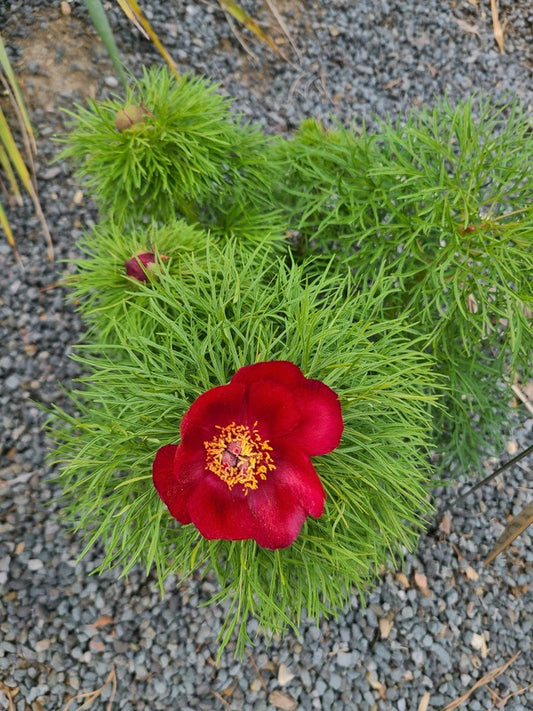 Sold out
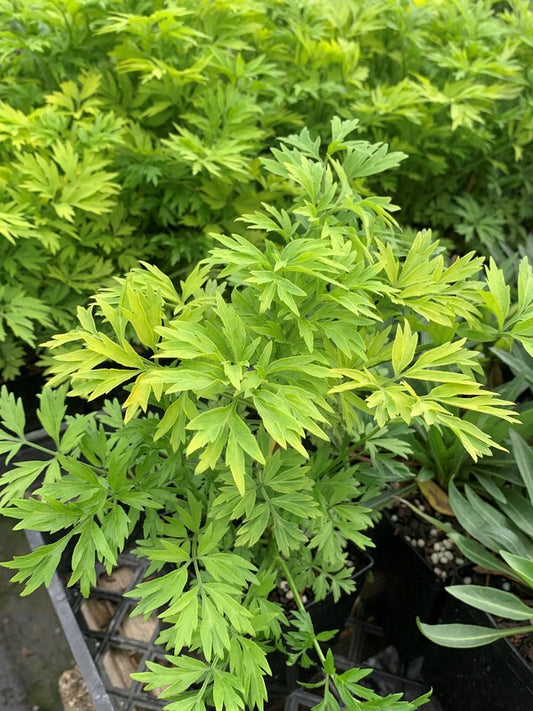
Paeonia tenuifolia
Item #: 18768
Zones: 4a to 8a
Dormancy: Winter
Height: 18" tall
Culture: Sun
Origin: Bulgaria, Caucasus Mountains, Kazakhstan, Romania, Serbia, Ukraine
Pot Size: 3 qt. (2.8 L)
Regular price $75.00Regular priceUnit price per Sold out
 -
Sambucus nigra 'Golden Tower' PP 28,957
Item #: 18552
Zones: 3b to 8a, guessing
Dormancy: Winter
Height: 120" tall
Culture: Sun to Part Sun
Origin: Asia, Europe, United States
Pot Size: 3.5" pot (24 fl. oz/0.7 L)
Regular price $0.00Regular priceUnit price perThis plant is available for JLBG Members only.
-
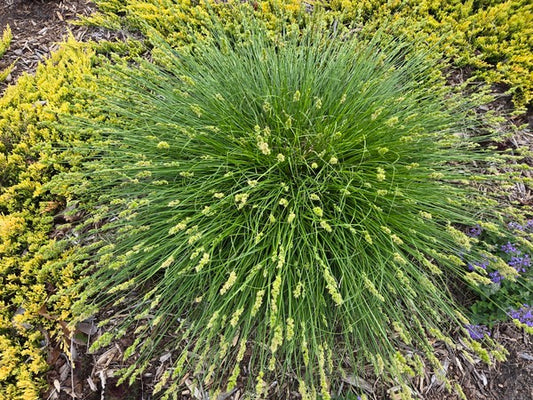
Carex muehlenbergii var. enervis 'Nobillissima'
Item #: 18610
Zones: 3a to 8b
Dormancy: Evergreen
Height: 24" tall
Culture: Part Sun to Light Shade
Origin: United States
Pot Size: 3.5" pot (24 fl. oz/0.7 L)
Regular price $23.00Regular priceUnit price per -
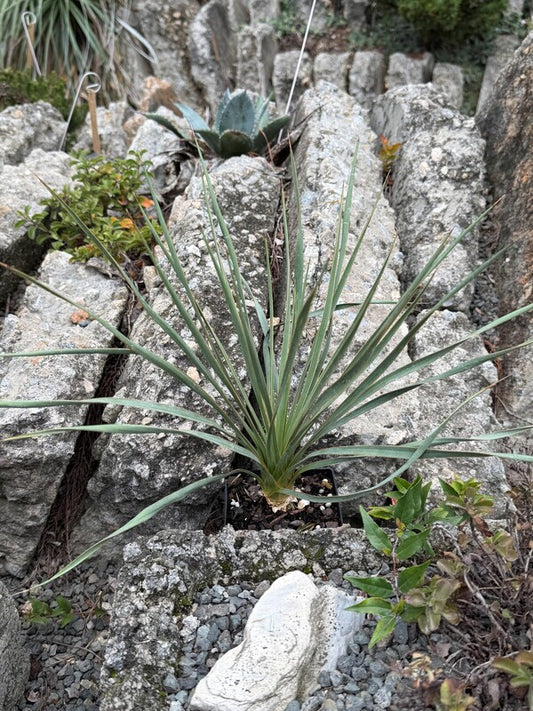
Yucca elata 'Marathon'
Item #: 18443
Zones: 4b to 10b
Dormancy: Evergreen
Height: 96" tall
Culture: Sun
Origin: United States
Pot Size: 3.5" pot (24 fl. oz/0.7 L)
Regular price $24.00Regular priceUnit price per -
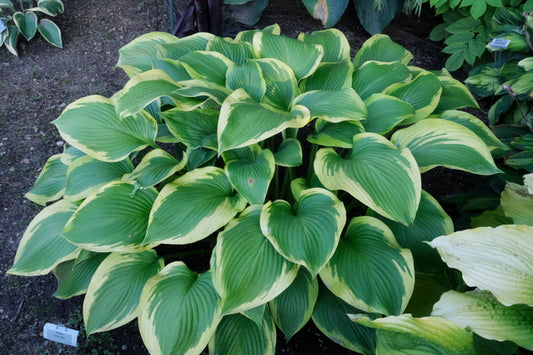
Hosta 'Lone Star' PP 35,234
Item #: 18263
Zones: 3a to 7b
Dormancy: Winter
Height: 26" tall
Culture: Light Shade
Origin: Hybrid
Pot Size: 3 qt. (2.8 L)
Regular price $0.00Regular priceUnit price perThis plant is available for JLBG Members only.
-
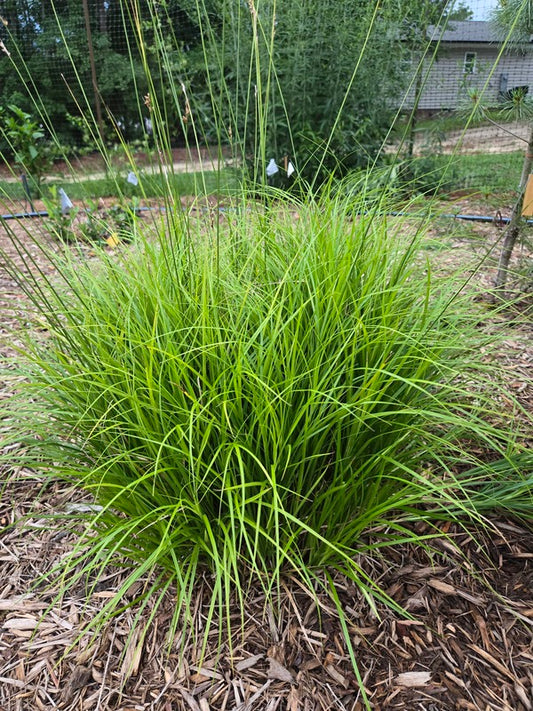 Sold out
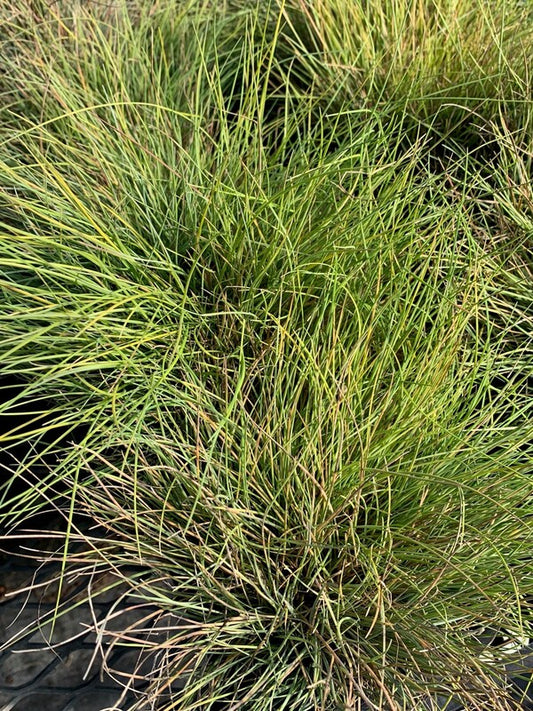
Carex brevior 'Osage'
Item #: 18634
Zones: 3a to 8b
Dormancy: Evergreen
Height: 12" tall
Culture: Part Sun to Light Shade
Origin: United States
Pot Size: 3.5" pot (24 fl. oz/0.7 L)
Regular price $23.00Regular priceUnit price per -
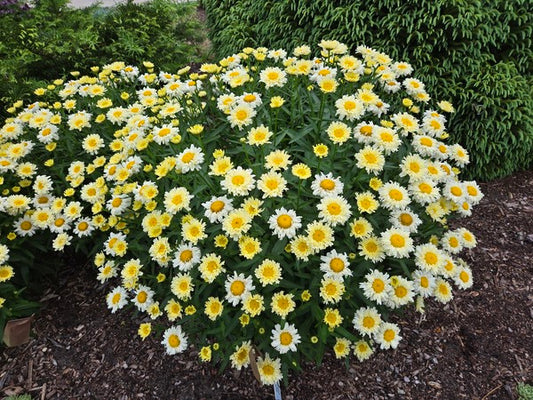
Leucanthemum x superbum 'Lemon Meringue' PPAF
Item #: 19114
Zones: 5a to 7b
Dormancy: Winter
Height: 18" tall
Culture: Sun
Origin: Hybrid
Pot Size: 3.5" pot (24 fl. oz/0.7 L)
Regular price $20.00Regular priceUnit price per -
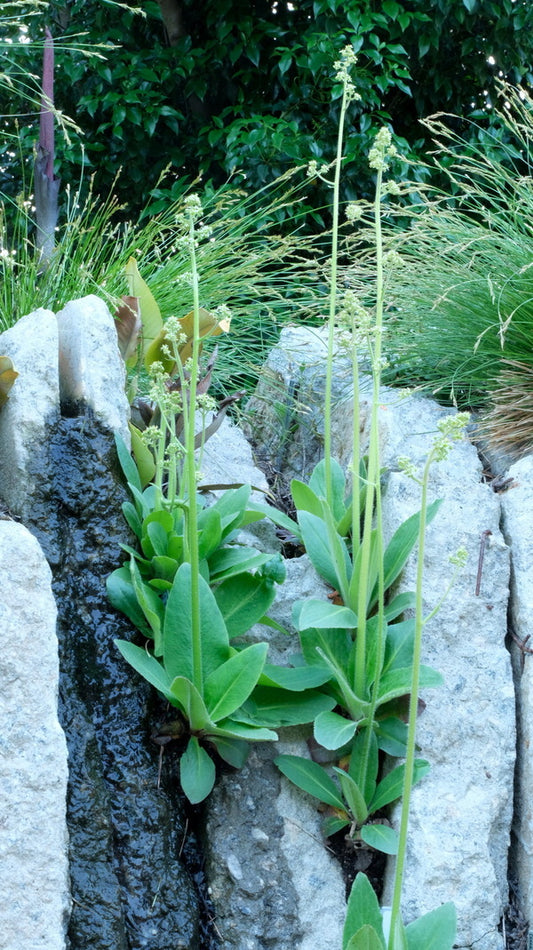 Sold out
Micranthes pensylvanica
Item #: 15140
Zones: 3a to 7b
Dormancy: Winter
Height: 24" tall
Culture: Part Sun to Light Shade
Origin: United States
Pot Size: 3.5" pot (24 fl. oz/0.7 L)
Regular price $20.00Regular priceUnit price per -
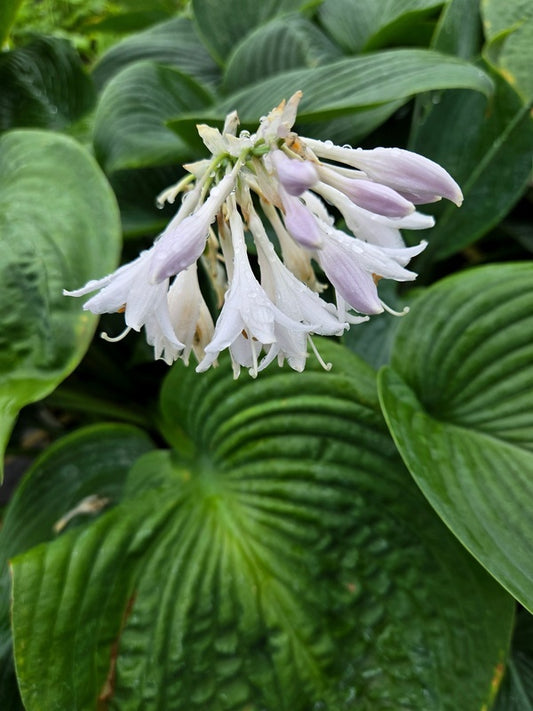
Hosta 'Essence of Summer'
Item #: 13480
Zones: 3a to 8b
Dormancy: Winter
Height: 20" tall
Culture: Part Sun to Light Shade
Origin: Hybrid
Pot Size: 3 qt. (2.8 L)
Regular price $29.00Regular priceUnit price per -
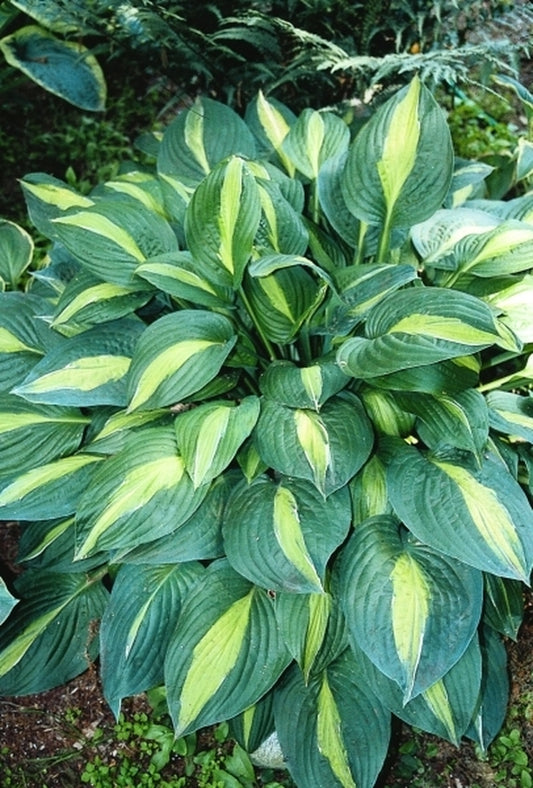 Sold out
Hosta 'Striptease'
Item #: 1560
Zones: 3a to 8b
Dormancy: Winter
Height: 20" tall
Culture: Part Sun to Light Shade
Origin: Hybrid
Pot Size: 3 qt. (2.8 L)
Regular price $29.00Regular priceUnit price per -
Festuca glauca 'AmiGold'
Item #: 18549
Zones: 4a to 7b
Dormancy: Evergreen
Height: 10" tall
Culture: Sun to Part Sun
Origin: Balkans
Pot Size: 3.5" pot (24 fl. oz/0.7 L)
Regular price $0.00Regular priceUnit price perThis plant is available for JLBG Members only.



More Information About Plants for Zone 5
Zone 5a and Zone 5b Plants
Many of the perennial plants in our catalog are well-suited for Zones 5a or 5b. Some of our favorite species of achillea, agastache, ajuga, arum, aster, athyrium, baptisia, buddleia, carex, chrysanthemum, clematis, cylcamen, cypripedium, delosperma, dianthus, echinacea, epimedium, helleborus, heuchera, hibiscus, hosta, iris, lycoris, monarda, paeonia, panicum, polygonatum, sarracenia, sedum, and more can survive Zone 5 winter temperatures. Be sure to read how we assign hardiness zones to our plants.
The USDA Plant Hardiness Zone Map is based on the average annual minimum winter temperature, divided into 10-degree F zones. Each zone is then subdivided into 5-degree F sub-zones. Zone numbers increase as you move from north to south.
Zone 5a annual minimum winter temperatures should be -20 to -15 °F (-28.9 to -26.1 °C). Zone 5b annual minimum temperatures should be -15 to -10 °F (-26.1 to -23.3 °C). Keep in mind that the zone designation does not tell you how many days the area may reach those average minimums. There can also be a major difference between what plants will grow in the 'a' or 'b' sub-zones.