

If you garden in the dappled light of woodland gardens, or on the north or east side of a building then you need shade loving perennial flowering plants for your garden. Check out our list of the best perennials for shade. You'll find plenty of flowers that grow in shade here at PDN!
-
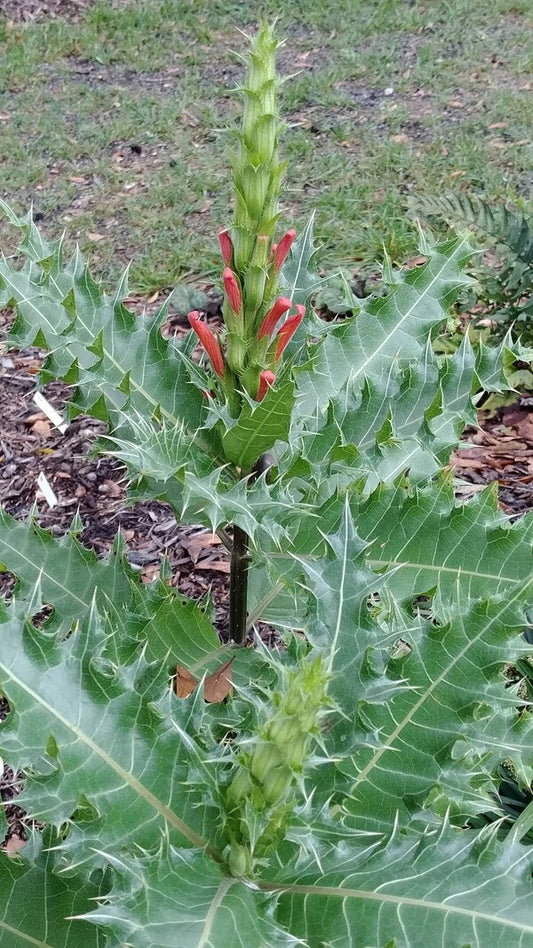
Acanthus hungaricus
Item #: 3496
Zones: 6a to 8b, possibly colder
Dormancy: Winter
Height: 18" tall
Culture: Part Sun to Shade
Origin: Southeast Europe
Pot Size: 3.5" pot (24 fl. oz/0.7 L)
Regular price $27.00Regular priceUnit price per -
Acanthus mollis Reut, Israel
Item #: 9811
Zones: 7a to 10b, at least
Dormancy: Winter
Height: 24" tall
Culture: Part Sun to Shade
Origin: Mediterranean Europe
Pot Size: 3.5" pot (24 fl. oz/0.7 L)
Regular price $27.00Regular priceUnit price per -
Acanthus mollis 'Rue Ledan'
Item #: 4732
Zones: 6a to 8a
Dormancy: Winter
Height: 20" tall
Culture: Part Sun to Light Shade
Origin: Northern Africa, Southwest Europe
Pot Size: 3.5" pot (24 fl. oz/0.7 L)
Regular price $27.00Regular priceUnit price per -
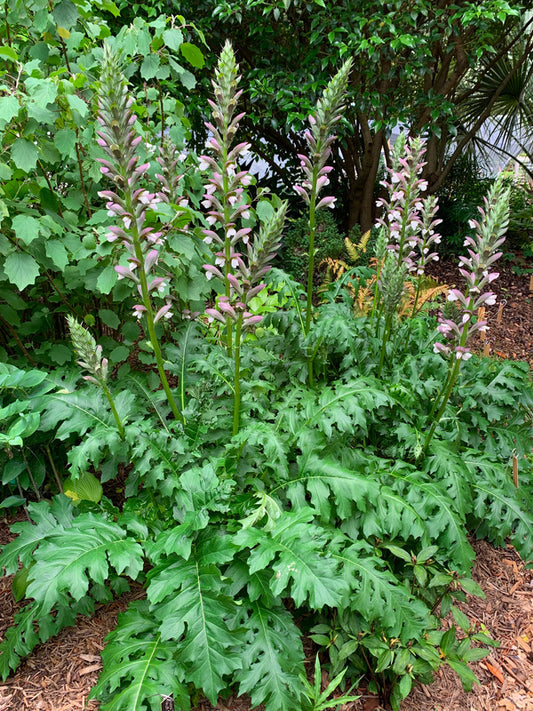
Acanthus sennii
Item #: 13718
Zones: 7b to 9b, at least
Dormancy: Winter
Height: 36" tall
Culture: Part Sun to Light Shade
Origin: Ethiopia
Pot Size: 3.5" pot (24 fl. oz/0.7 L)
Regular price $28.00Regular priceUnit price per -
 Sold out
Acanthus 'Summer Beauty'
Item #: 2526
Zones: 6a to 8b, at least
Dormancy: Winter
Height: 30" tall
Culture: Part Sun to Shade
Origin: Hybrid
Pot Size: 3.5" pot (24 fl. oz/0.7 L)
Regular price $27.00Regular priceUnit price per -
Achimenes 'Harry Williams'
Item #: 6169
Zones: 7b to 10b
Dormancy: Winter, Spring
Height: 12" tall
Culture: Part Sun to Light Shade
Origin: Hybrid
Pot Size: 3.5" pot (24 fl. oz/0.7 L)
Regular price $22.00Regular priceUnit price per -
 Sold out
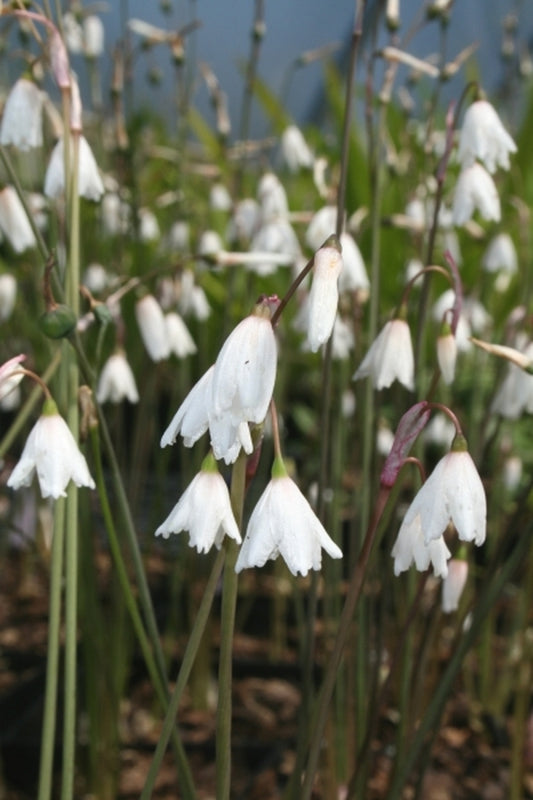
Acis autumnalis 'September Snow'
Item #: 8031
Zones: 6a to 9b, possibly colder
Dormancy: Summer
Height: 8" tall
Culture: Sun to Light Shade
Origin: Mediterranean Europe
Pot Size: 3.5" pot (24 fl. oz/0.7 L)
Regular price $21.00Regular priceUnit price per -
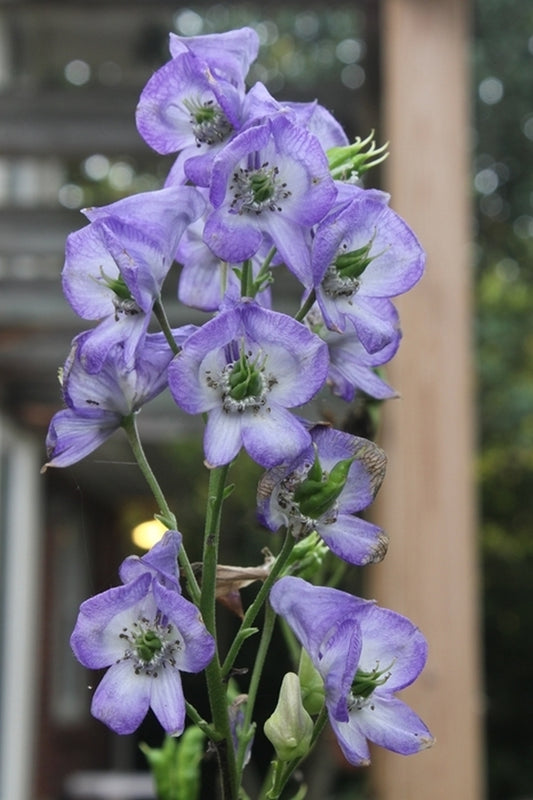
Aconitum carmichaelii 'Autumn Indigo'
Item #: 6999
Zones: 3a to 8b
Dormancy: Winter
Height: 60" tall
Culture: Sun to Light Shade
Origin: China
Pot Size: 3.5" pot (24 fl. oz/0.7 L)
Regular price $24.00Regular priceUnit price per -
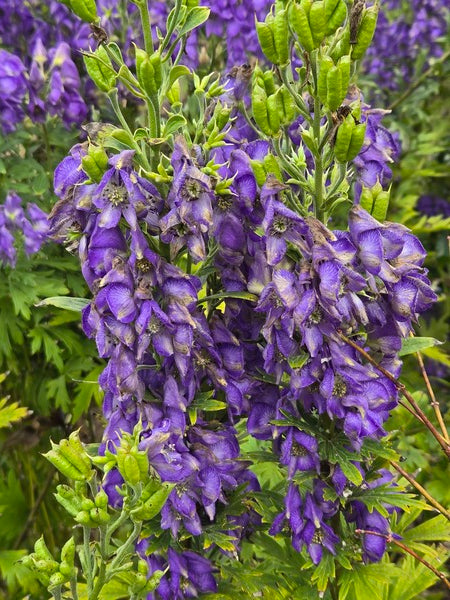
Aconitum superbum 'Kupres'
Item #: 18011
Zones: 3a to 7b
Dormancy: Winter
Height: 48" tall
Culture: Sun to Light Shade
Origin: Bosnia
Pot Size: 3.5" pot (24 fl. oz/0.7 L)
Regular price $25.00Regular priceUnit price per -
Acorus gramineus 'Ogon'
Item #: 369
Zones: 5a to 9b
Dormancy: Evergreen
Height: 12" tall
Culture: Part Sun to Light Shade
Origin: China, Japan
Pot Size: 3.5" pot (24 fl. oz/0.7 L)
Regular price $22.00Regular priceUnit price per -
Actaea cordifolia
Item #: 8148
Zones: 4a to 8b
Dormancy: Winter
Height: 48" tall
Culture: Part Sun to Light Shade
Origin: United States
Pot Size: 3.5" pot (24 fl. oz/0.7 L)
Regular price $24.00Regular priceUnit price per -
Actaea japonica var. japonica 'Silver Blush'
Item #: 3826
Zones: 5a to 8a, at least
Dormancy: Winter
Height: 30" tall
Culture: Part Sun to Light Shade
Origin: China, Japan, Korea
Pot Size: 3.5" pot (24 fl. oz/0.7 L)
Regular price $24.00Regular priceUnit price per -
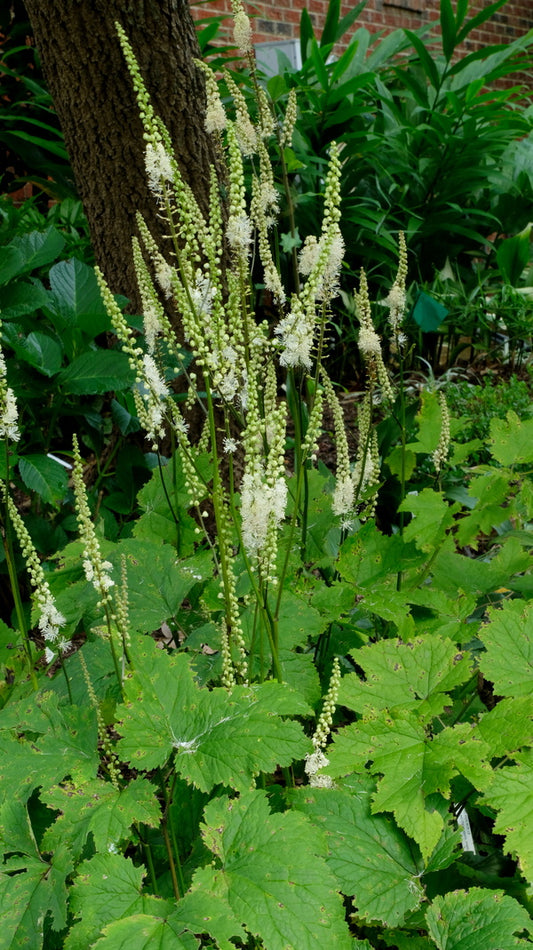
Actaea racemosa
Item #: 8147
Zones: 3a to 8b
Dormancy: Winter
Height: 60" tall
Culture: Part Sun to Light Shade
Origin: United States
Pot Size: 3.5" pot (24 fl. oz/0.7 L)
Regular price $24.00Regular priceUnit price per
-
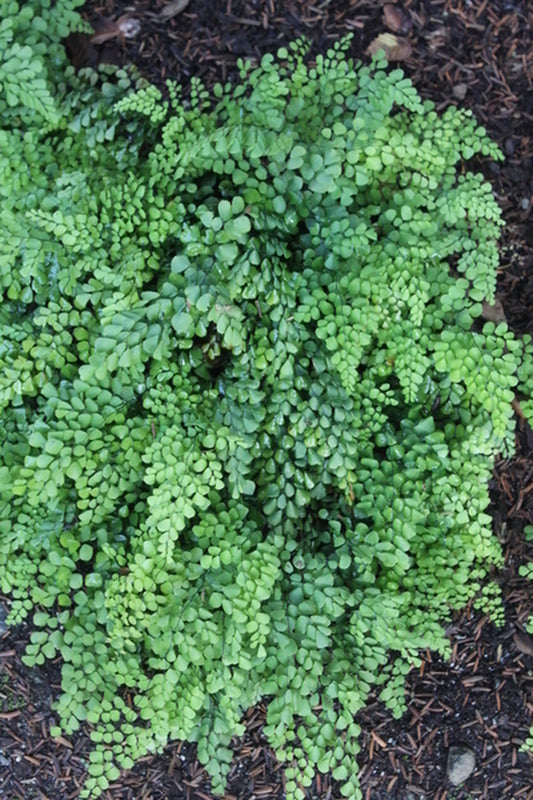
Adiantum aleuticum 'Imbricatum'
Item #: 9827
Zones: 3a to 8b
Dormancy: Winter
Height: 10" tall
Culture: Part Sun to Light Shade
Origin: United States
Pot Size: 3.5" pot (24 fl. oz/0.7 L)
Regular price $23.00Regular priceUnit price per -
 Sold out
Adiantum hispidulum 'Mt. Haleakala'
Item #: 5934
Zones: 7b to 10b
Dormancy: Evergreen
Height: 12" tall
Culture: Part Sun to Light Shade
Origin: United States
Pot Size: 3.5" pot (24 fl. oz/0.7 L)
Regular price $23.00Regular priceUnit price per -
Adiantum x mairisii
Item #: 4799
Zones: 6a to 9b
Dormancy: Winter
Height: 20" tall
Culture: Part Sun to Light Shade
Origin: Hybrid
Pot Size: 3.5" pot (24 fl. oz/0.7 L)
Regular price $23.00Regular priceUnit price per -
Adiantum pedatum
Item #: 320
Zones: 3a to 8b
Dormancy: Winter
Height: 24" tall
Culture: Part Sun to Light Shade
Origin: Canada, United States
Pot Size: 3.5" pot (24 fl. oz/0.7 L)
Regular price $23.00Regular priceUnit price per -
Adiantum venustum
Item #: 3658
Zones: 4b to 8a
Dormancy: Evergreen
Height: 6" tall
Culture: Part Sun to Light Shade
Origin: China
Pot Size: 3.5" pot (24 fl. oz/0.7 L)
Regular price $23.00Regular priceUnit price per -
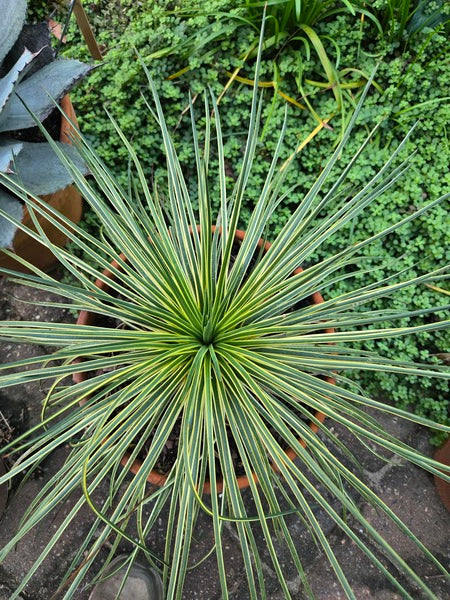
Agave geminiflora 'Leaping Lizards'
Item #: 13528
Zones: 9b to 11, at least
Dormancy: Evergreen
Height: 20" tall
Culture: Part Sun to Light Shade
Origin: Mexico
Pot Size: 3.5" pot (24 fl. oz/0.7 L)
Regular price $39.00Regular priceUnit price per -
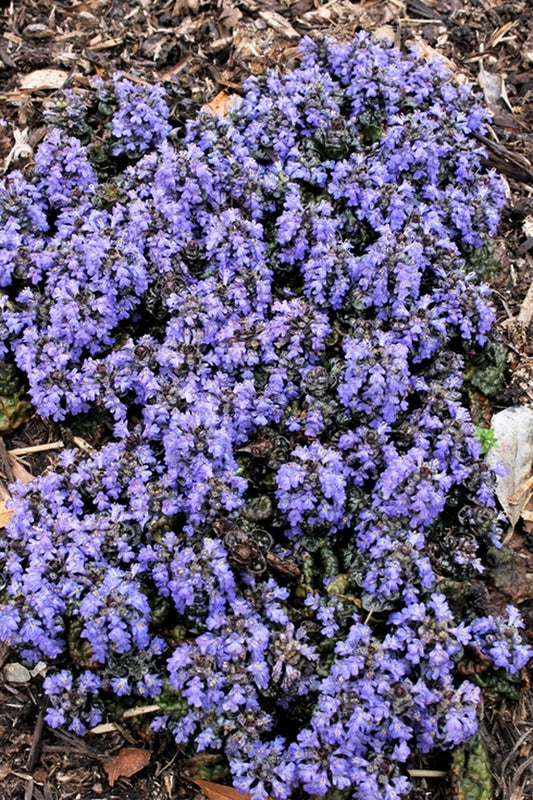
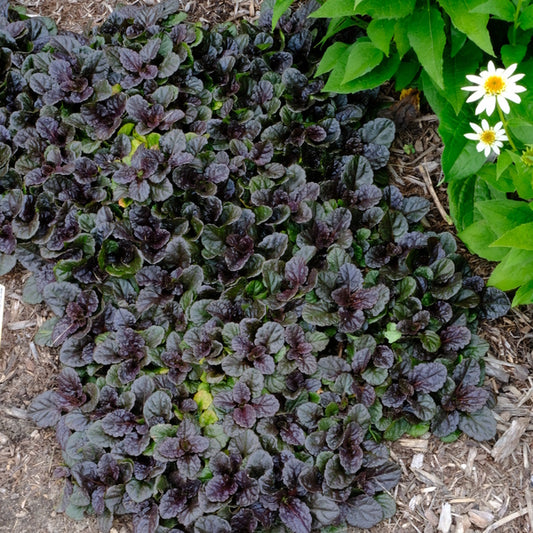
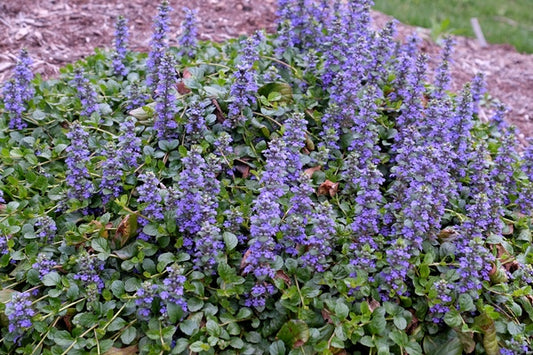
Ajuga 'Flashy Flamingo' PPAF
Item #: 18121
Zones: 4a to 8b
Dormancy: Evergreen
Height: 3" tall
Culture: Part Sun to Light Shade
Origin: Hybrid
Pot Size: 3.5" pot (24 fl. oz/0.7 L)
Regular price $19.00Regular priceUnit price per -
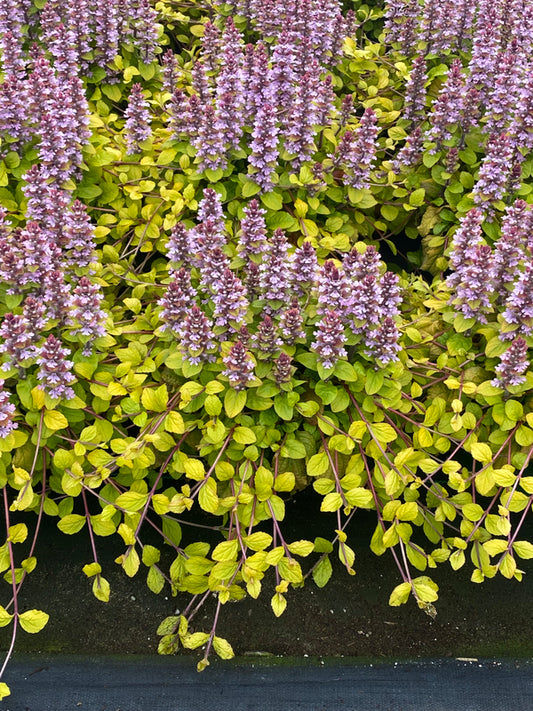
Ajuga 'Parrot Paradise'
Item #: 16733
Zones: 4a to 9b
Dormancy: Evergreen
Height: 3" tall
Culture: Part Sun to Light Shade
Origin: Europe, Hybrid
Pot Size: 3.5" pot (24 fl. oz/0.7 L)
Regular price $19.00Regular priceUnit price per -
Ajuga pyramidalis 'Metallica Crispa Purpurea'
Item #: 39
Zones: 3a to 8b, at least
Dormancy: Evergreen
Height: 3" tall
Culture: Part Sun to Light Shade
Origin: Europe
Pot Size: 3.5" pot (24 fl. oz/0.7 L)
Regular price $19.00Regular priceUnit price per -
Ajuga reptans 'Black Scallop'
Item #: 13515
Zones: 3a to 8b, at least
Dormancy: Evergreen
Height: 3" tall
Culture: Part Sun to Light Shade
Origin: Europe
Pot Size: 3.5" pot (24 fl. oz/0.7 L)
Regular price $19.00Regular priceUnit price per -
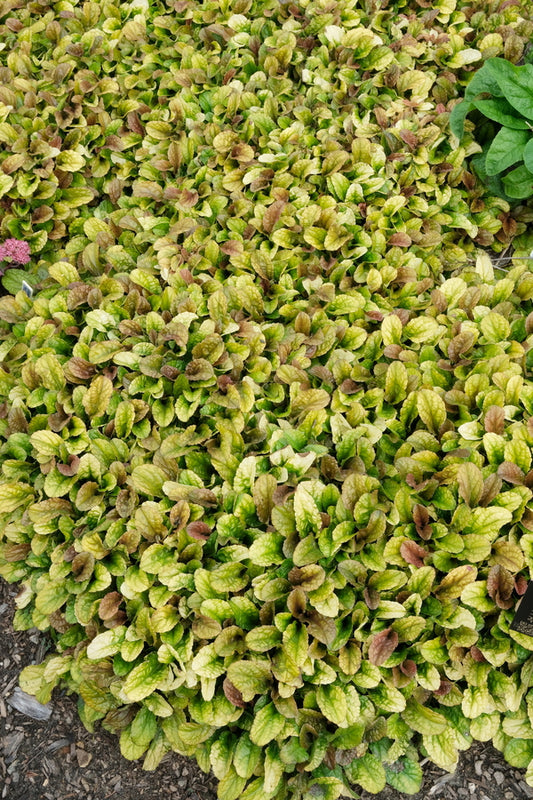
Ajuga reptans 'Texas Tough'
Item #: 12990
Zones: 3a to 9b, at least
Dormancy: Evergreen
Height: 4" tall
Culture: Sun to Light Shade
Origin: Europe
Pot Size: 3.5" pot (24 fl. oz/0.7 L)
Regular price $19.00Regular priceUnit price per









More Information About Shade Perennials
We have hundreds of the best flowering perennials for shade! If you garden in the partial sun of a dappled woodland garden, or on the north or east side of a building then you need shade loving perennials for your garden. We have a huge selection of shade tolerant flowers and we have sifted through our massive catalog of plants to create this mini-catalog of the best shade loving flowers for your garden.
Below are several top 10 lists of the best perennials for shade to help you find exactly what you need.
Top 10 Perennial Flowers that Grow in Shade
In shade gardens, light colored flowers stand out really well. We recommend white perennial flowers for shade, or pale yellow or pink.
- Calanthe - small orchid flowers that like shade
- Cypripedium - ladyslipper orchids are highly sought after partial shade flowers
- Dicentra - bleeding hearts are quintessential shade loving plants
- Edgeworthia - fragrant winter flowering plants for shade
- Epimedium - Fairy wings are colorful shade plants for early spring...both in leaf and flower
- Gloxinia - intensely red summer flowers are some of the best flowers for shade
- Helleborus - long bloom period in winter makes lenten rose one of the best best shade perennials
- Iris - shade iris have smaller blooms than their sun counterparts, but are more intricate in design
- Lycoris - partial shade perennials for a late summer flower show
- Paeonia - woodland peonies produce very large flowers for shaded areas
Top 10 Foliage Plants that Grow in Shade
Light colored leaves also work well as shade garden plants, especially when they can stand out against surrounding dark green foliage. We recommend for the woodland garden, shade perennials with colorful silver foliage or shade tolerant plants with yellow foliage
- Acorus - fragrant chartreuse leaves for shade. A medicinal herb too.
- Brunnera - very drought tolerant plants that like shade
- Carex - grass-like plants for shade garden
- Cyclamen - a dwarf shade plant with variegated, heart-shaped leaves
- Farfugium - similar in form to a hosta but with glossier leaves and a fall bloom in the woodland garden
- Ferns - must have perennial plants for shade for texture, form, and color
- Hosta - hand down, the best shade plants
- Polygonatum - these tall shade perennials have an upright habit to balance out clumping plants
- Pulmonaria - silver foliage topped with blue or pink flowers make lungwort one of the best shade plants
- Zingiber - tall shade plants with large tropical leaves with a mild ginger scent
Top 10 Shade Tolerant Plants for Texture
When gardening with plants for shade, don't forget about texture either. Shade tolerant ferns offer a very fine texture to balance with the coarse texture of other shade tolerant perennials
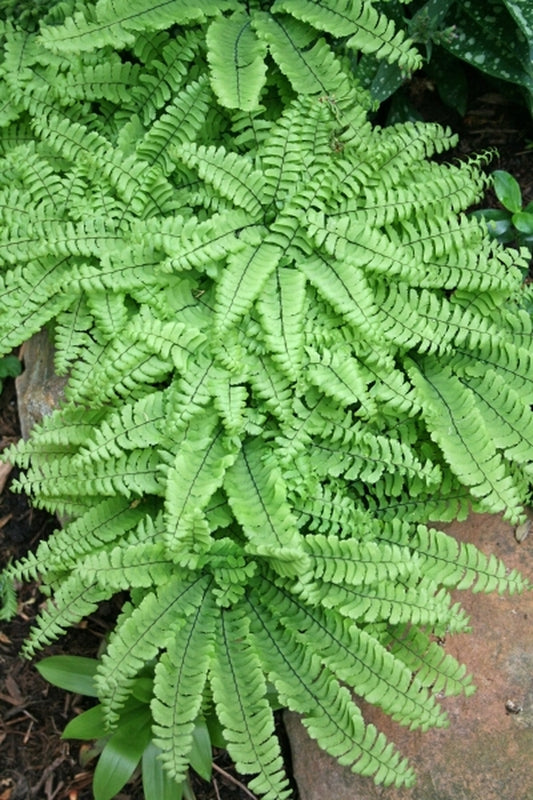
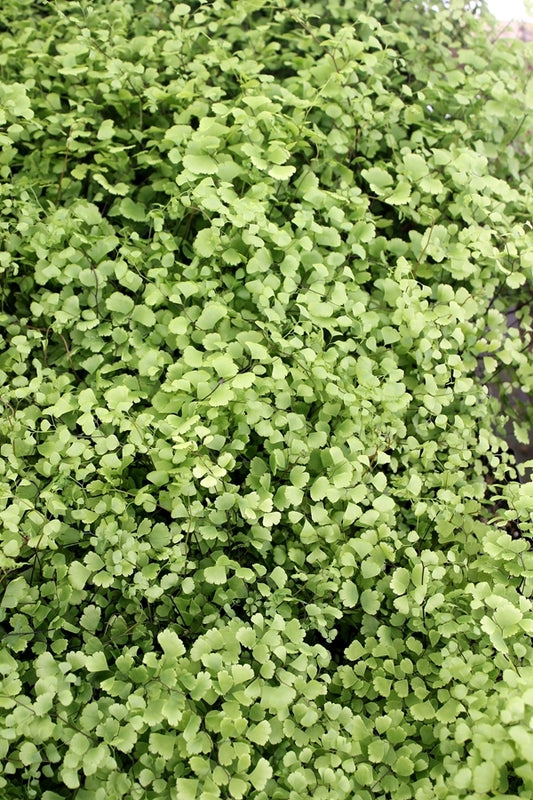
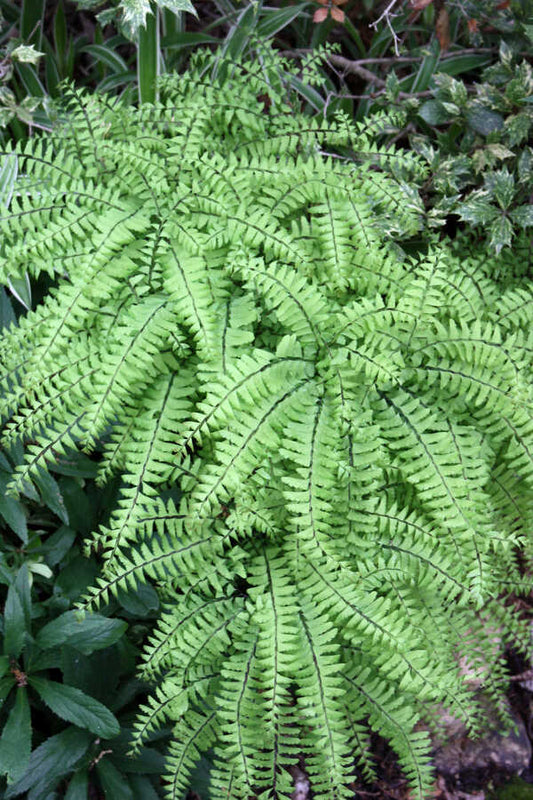
- Adiantum - very tough and adaptable ferns for shade with a unique frond shape
- Alocasia - tall shade perennials with large shiny leaves
- Amorphophallus - bizarre tall shade plants with incredible leaf forms and flowers in the woodland garden
- Arisaema - jack-in-the-pulpit produces candy-striped, tall, purple and white flowers for shade
- Athyrium - lady fern features a feather-plume-like textured leaf
- Helleborus - leathery, hand-shaped, leaves on this shade plant
- Hosta - shade perennials that form elegant mounds in the woodland garden
- Onychium - very fine textured fronds on this shade fern
- Polygonatum - tall shade perennials whose leaves look like a staircase
- Zingiber - large, tropical leaves with a mild ginger scent
Top 10 Native Full Shade Perennials
When gardening with plants for shade, don't forget about texture either. Shade tolerant ferns offer a very fine texture to balance with the coarse texture of shade tolerant perennials
- Anemonella thalictroides - charming little button-like flowers on these flowering shade perennials
- Chrysogonum - yellow flowers and a groundcover habit for the shade flower garden
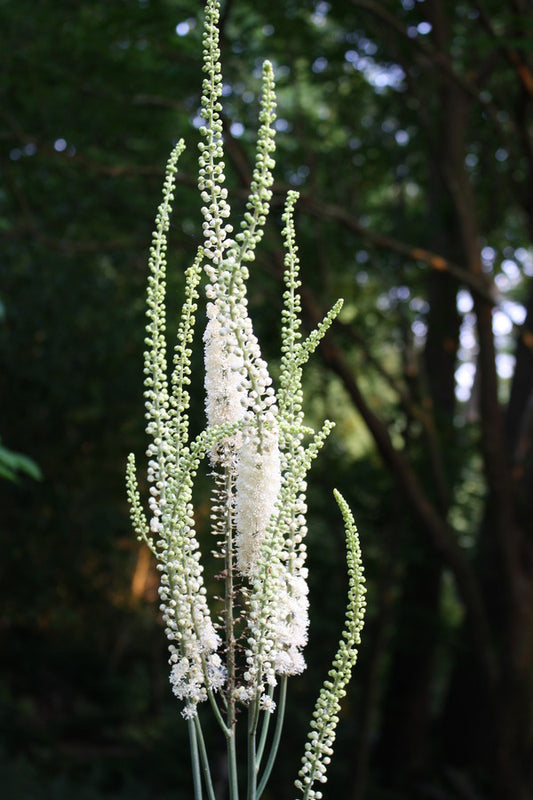
- Cimicifuga - tall spiky white flowers for shade garden
- Heuchera - a wide variety of foliage colors, and a mounding habit on these perennial shade plants
- Illicium parviflorum - the chartreuse-leaved forms make very colorful shade plants
- Sanguinaria - lovely white flowers and a long history of medicinal use make bloodroot popular flowering shade plants
- Iris cristata - Intricate and beautiful flowers for the woodland garden
- Onoclea sensibilis - moisture loving ferns for shade
- Cardamine - a spring ephemeral with powder blue perennial shade flowers
- Phlox divaricata - shade loving perennial flowers with light blue blooms in early spring
Top 10 Evergreen Shade Perennials
- Acorus - chartreuse leaves with a pleasant herbal scent make Acorus a great plant for the perennial garden
- Asarum - leathery, heart-shaped leaves that are frequently variegated with silver veins are great woodland garden plants
- Carex - grassy mounds with variegated leaves...better than liriope for the woodland garden
- Danae - a dwarf shrub with orange berries that tolerates dry shade
- Fatsia - large, hand-shaped leaves and cool, white, alien flowers
- Helleborus - leathery, hand-shaped, leaves on this shade plant
- Ophiopogon - black mondo grass looks great growing next to silvery shade plants
- Pulmonaria - fuzzy leaves with wonderful silver variegation
- Ruscus - dwarf shrubs with small pointed leaves and red berries...these are excellent drought tolerant plants for shady areas
- Sarcococca - glossy green leaves with fragrant white flowers for shady areas
You can also narrow down your list of shade tolerant plants by special water needs: Shop for Dry Shade, or Wet Shade flowering plants here. Or you can narrow down your shopping list by plant type: Ferns for Shade, Grasses for Shade.
Additional Shade Perennial Resources
To learn more about the best plants for shade check out our article entitled 'Gardening in the Shade' that describes many cool shade plants and perennial flowers.
Also, check out our many shady blog posts about shade plants and flowers and woodland gardens.