

Aroids are exotic plants that vary in size, shape and texture from the impressive elephant ears (Alocasia, Colocasia, Remusatia) to the diminutive Mouse Plant (Arisarum).
-
Alocasia cucullata 'Moon Landing'
Item #: 16768
Zones: 9a to 10b
Dormancy: Winter
Height: 20" tall
Culture: Part Sun to Light Shade
Origin: Burma/Myanmar, India
Pot Size: 3.5" pot (24 fl. oz/0.7 L)
Regular price $35.00Regular priceUnit price per
-
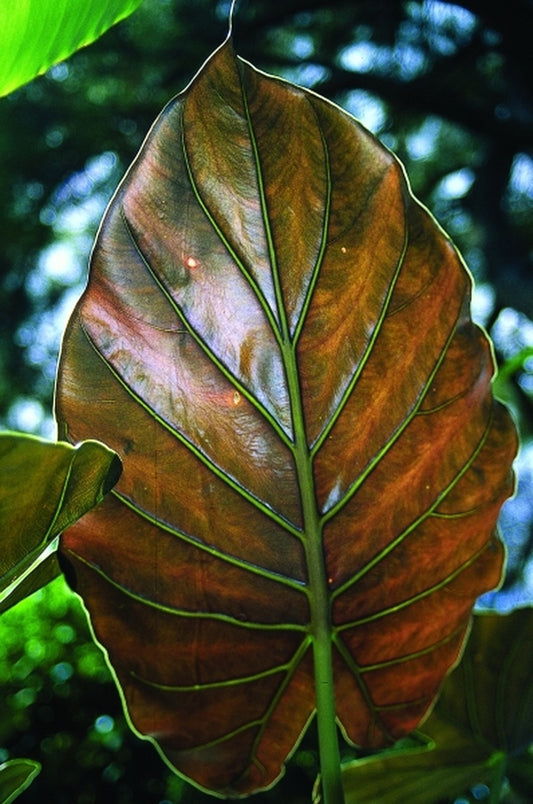
Alocasia cucullata 'Yellow Tail'
Item #: 7588
Zones: 7b to 10b
Dormancy: Winter
Height: 36" tall
Culture: Sun to Part Sun
Origin: Burma/Myanmar, India
Pot Size: 3.5" pot (24 fl. oz/0.7 L)
Regular price $29.00Regular priceUnit price per -
Alocasia 'Dark Star' PP 29,870
Item #: 15718
Zones: 7b to 10b
Dormancy: Winter
Height: 72" tall
Culture: Sun to Part Sun
Origin: Hybrid
Pot Size: 2 qt. (1.9 L)
Regular price $29.00Regular priceUnit price per -
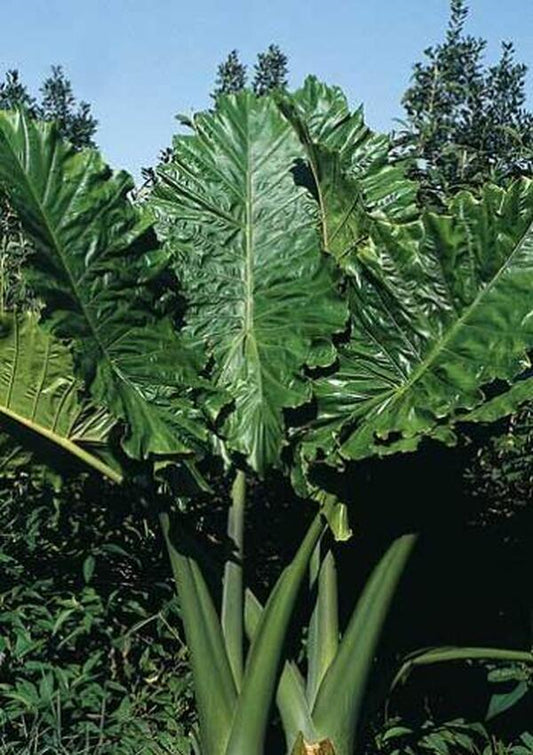
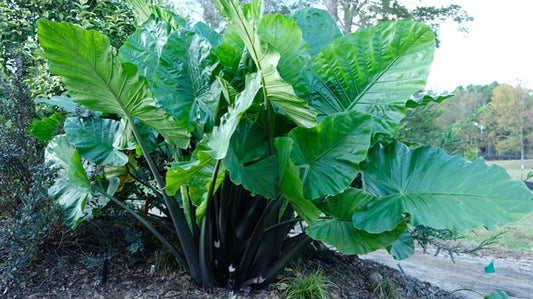
Alocasia macrorrhizos
Item #: 1160
Zones: 7b to 10b
Dormancy: Winter
Height: 72" tall
Culture: Sun to Light Shade
Origin: India
Pot Size: 3.5" pot (24 fl. oz/0.7 L)
Regular price $29.00Regular priceUnit price per -
 Sold out
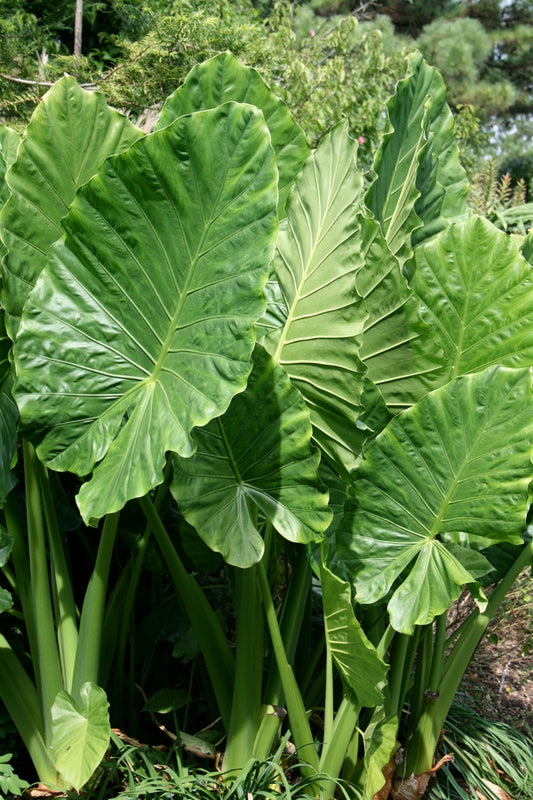
Alocasia 'Portodora'
Item #: 3654
Zones: 7b to 10b
Dormancy: Winter
Height: 96" tall
Culture: Sun to Part Sun
Origin: Hybrid
Pot Size: 2 qt. (1.9 L)
Regular price $29.00Regular priceUnit price per -
Alocasia wentii
Item #: 2967
Zones: 7b to 10b
Dormancy: Winter
Height: 36" tall
Culture: Part Sun to Light Shade
Origin: New Guinea
Pot Size: 3.5" pot (24 fl. oz/0.7 L)
Regular price $24.00Regular priceUnit price per -
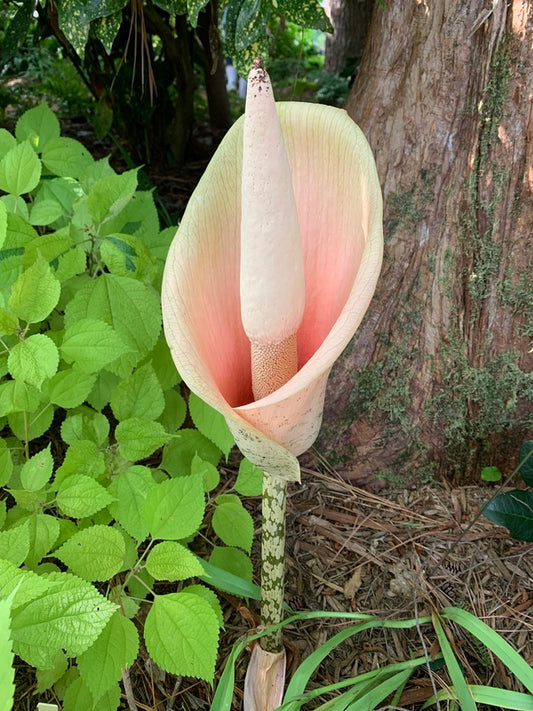
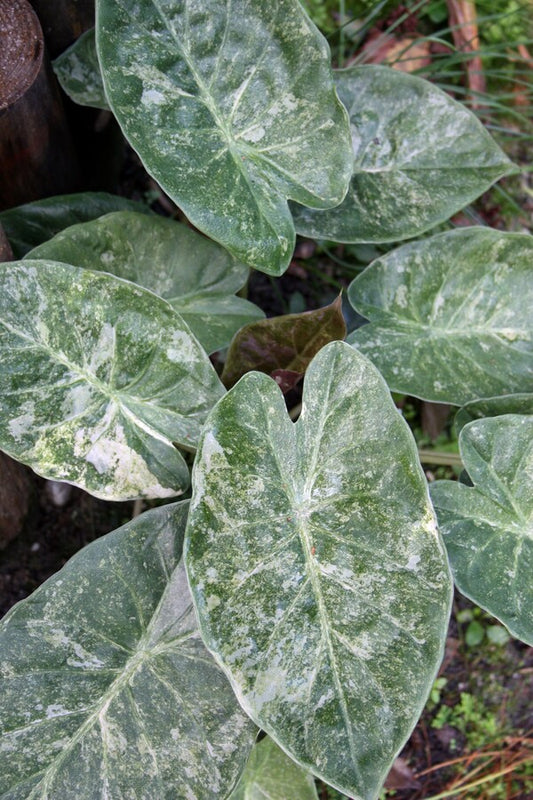
Alocasia wentii 'Vintage Silver'
Item #: 13698
Zones: 8b to 10b, at least
Dormancy: Winter
Height: 36" tall
Culture: Part Sun to Light Shade
Origin: New Guinea
Pot Size: 3.5" pot (24 fl. oz/0.7 L)
Regular price $32.00Regular priceUnit price per -
 Sold out
Amorphophallus bulbifer 'Old Warty'
Item #: 7890
Zones: 7b to 10b, at least
Dormancy: Winter, Spring
Height: 48" tall
Culture: Part Sun to Light Shade
Origin: Burma/Myanmar, India
Pot Size: Bare Root / 3.5" pot (24 fl. oz/0.7 L)
Regular price $29.00Regular priceUnit price per -
Amorphophallus x dunryi 'Peter Pancake'
Item #: 17317
Zones: 7b to 9b
Dormancy: Winter, Spring
Height: 24" tall
Culture: Part Sun to Light Shade
Origin: Hybrid
Pot Size: Bare Root / 3.5" pot (24 fl. oz/0.7 L)
Regular price $32.00Regular priceUnit price per -
Amorphophallus henryi
Item #: 3049
Zones: 7b to 9b
Dormancy: Winter, Spring
Height: 24" tall
Culture: Part Sun to Light Shade
Origin: Taiwan
Pot Size: Bare Root / 3.5" pot (24 fl. oz/0.7 L)
Regular price $25.00Regular priceUnit price per -
 Sold out
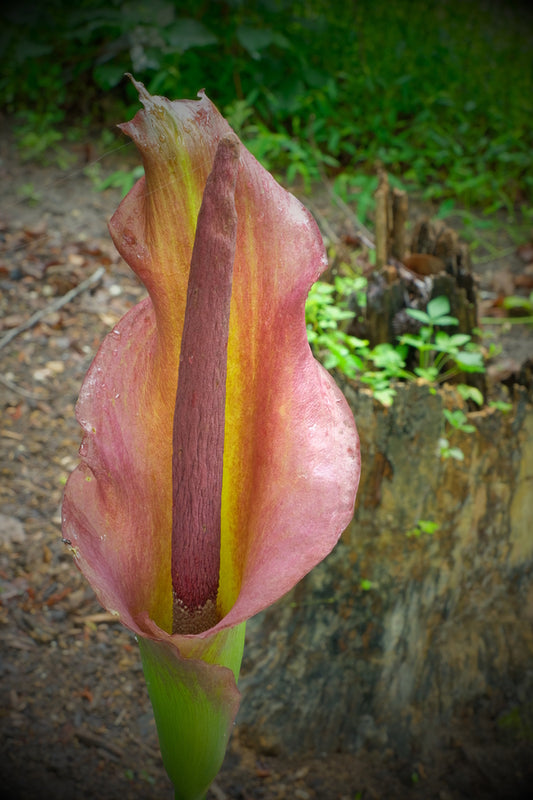
Amorphophallus kiusianus
Item #: 3053
Zones: 7a to 10b
Dormancy: Winter, Spring
Height: 48" tall
Culture: Part Sun to Light Shade
Origin: China, Japan, Taiwan
Pot Size: Bare Root / 3.5" pot (24 fl. oz/0.7 L)
Regular price $29.00Regular priceUnit price per -
 Sold out
Amorphophallus x konbus 'Glow Light'
Item #: 15754
Zones: 6a to 10b
Dormancy: Winter, Spring
Height: 40" tall
Culture: Part Sun to Light Shade
Origin: Hybrid
Pot Size: Bare Root / 3.5" pot (24 fl. oz/0.7 L)
Regular price $29.00Regular priceUnit price per -
Amorphophallus x konbus 'Green Genes'
Item #: 17093
Zones: 6a to 10b
Dormancy: Winter, Spring
Height: 40" tall
Culture: Part Sun to Light Shade
Origin: Hybrid
Pot Size: Bare Root / 3.5" pot (24 fl. oz/0.7 L)
Regular price $29.00Regular priceUnit price per -
Amorphophallus x konbus 'Mary Sizemore'
Item #: 15753
Zones: 6a to 10b
Dormancy: Winter, Spring
Height: 46" tall
Culture: Part Sun to Light Shade
Origin: Hybrid
Pot Size: Bare Root / 3.5" pot (24 fl. oz/0.7 L)
Regular price $29.00Regular priceUnit price per -
Amorphophallus x konbus 'Meister Eckardt'
Item #: 17092
Zones: 6a to 10b
Dormancy: Winter, Spring
Height: 30" tall
Culture: Part Sun to Light Shade
Origin: Hybrid
Pot Size: Bare Root / 3.5" pot (24 fl. oz/0.7 L)
Regular price $29.00Regular priceUnit price per -
Amorphophallus konjac
Item #: 783
Zones: 6a to 10b
Dormancy: Winter, Spring
Height: 60" tall
Culture: Part Sun to Light Shade
Origin: China
Pot Size: Bare Root / 3.5" pot (24 fl. oz/0.7 L)
Regular price $29.00Regular priceUnit price per -
Amorphophallus konjac 'Nightstick'
Item #: 1166
Zones: 7a to 10b
Dormancy: Winter
Height: 36" tall
Culture: Part Sun to Shade
Origin: China
Pot Size: Bare Root / 3.5" pot (24 fl. oz/0.7 L)
Regular price $29.00Regular priceUnit price per -
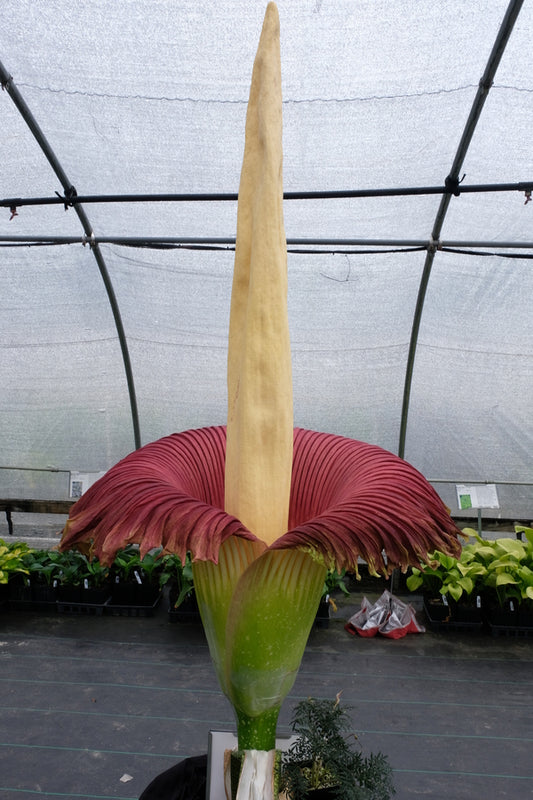
Amorphophallus lacourii 'Hot Night Spot'
Item #: 1533
Zones: Tropical
Dormancy: Winter
Height: 20" tall
Culture: Part Sun to Light Shade
Origin: Cambodia, Laos, Thailand, Tropical Asia, Vietnam
Pot Size: Bare Root / 3.5" pot (24 fl. oz/0.7 L)
Regular price $35.00Regular priceUnit price per -
 Sold out
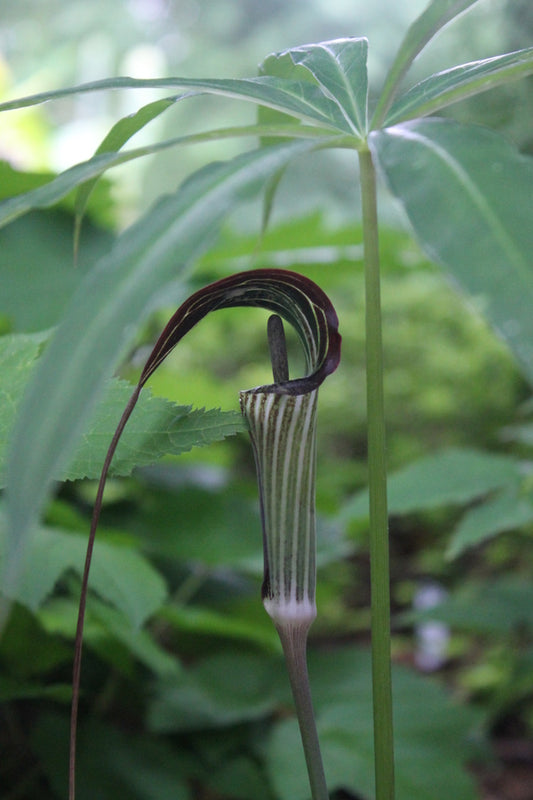
Amorphophallus titanum
Item #: 1775
Zones: Tropical
Dormancy: Winter, Spring
Height: 180" tall
Culture: Part Sun to Light Shade
Origin: Indonesia
Pot Size: 3.5" pot (24 fl. oz/0.7 L)
Regular price $90.00Regular priceUnit price per -
 Sold out
Arisaema consanguineum
Item #: 2524
Zones: 5a to 8b, possibly colder
Dormancy: Winter, Spring
Height: 30" tall
Culture: Part Sun to Light Shade
Origin: China
Pot Size: Bare Root / 3.5" pot (24 fl. oz/0.7 L)
Regular price $29.00Regular priceUnit price per -
Arisaema costatum
Item #: 6171
Zones: 6a to 8b, at least
Dormancy: Winter, Fall
Height: 40" tall
Culture: Part Sun to Light Shade
Origin: Nepal
Pot Size: Bare Root / 3.5" pot (24 fl. oz/0.7 L)
Regular price $29.00Regular priceUnit price per -
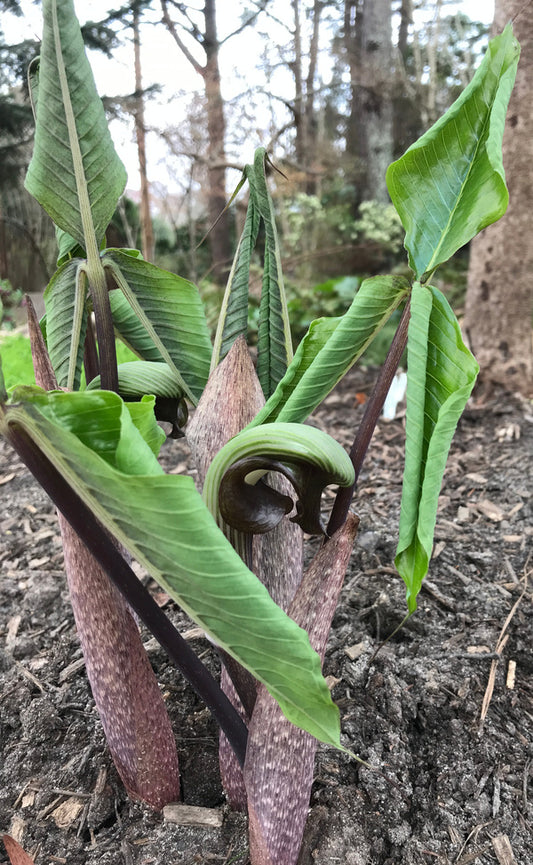
Arisaema fargesii
Item #: 3126
Zones: 5a to 8b
Dormancy: Winter, Fall
Height: 18" tall
Culture: Part Sun to Light Shade
Origin: China
Pot Size: Bare Root / 3.5" pot (24 fl. oz/0.7 L)
Regular price $30.00Regular priceUnit price per -
 Sold out
Arisaema ringens
Item #: 2531
Zones: 5a to 9b
Dormancy: Winter, Fall
Height: 24" tall
Culture: Part Sun to Light Shade
Origin: China, Japan, Korea
Pot Size: Bare Root / 3.5" pot (24 fl. oz/0.7 L)
Regular price $30.00Regular priceUnit price per -
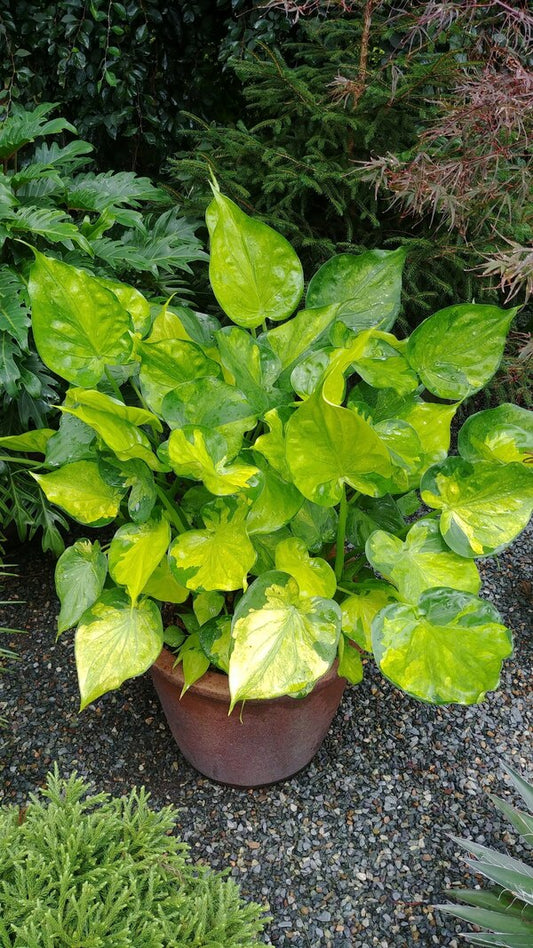
Arisaema speciosum 'Himalayan Giant'
Item #: 7474
Zones: 7a to 8b, at least
Dormancy: Winter, Fall
Height: 30" tall
Culture: Part Sun to Light Shade
Origin: India
Pot Size: Bare Root / 3.5" pot (24 fl. oz/0.7 L)
Regular price $30.00Regular priceUnit price per






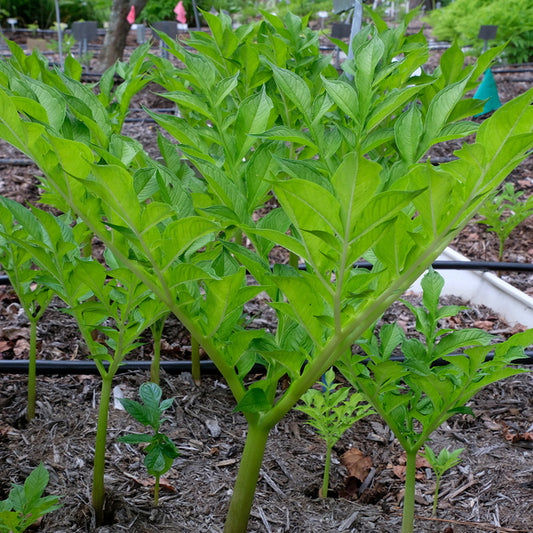
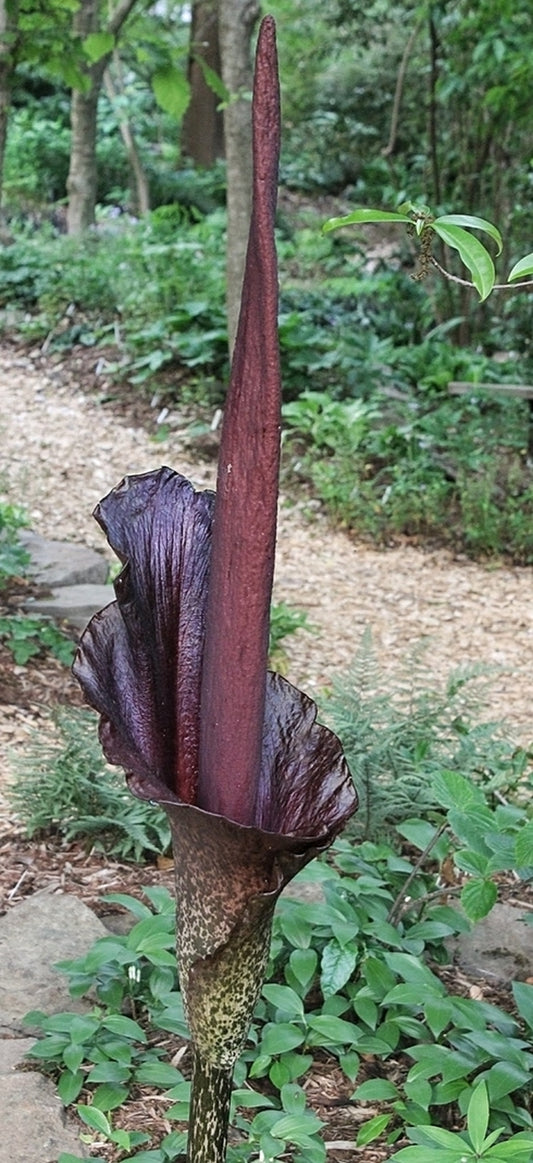
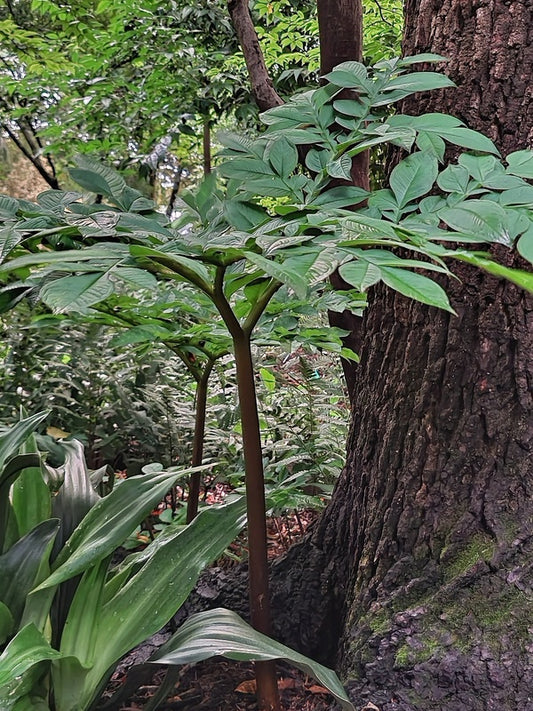
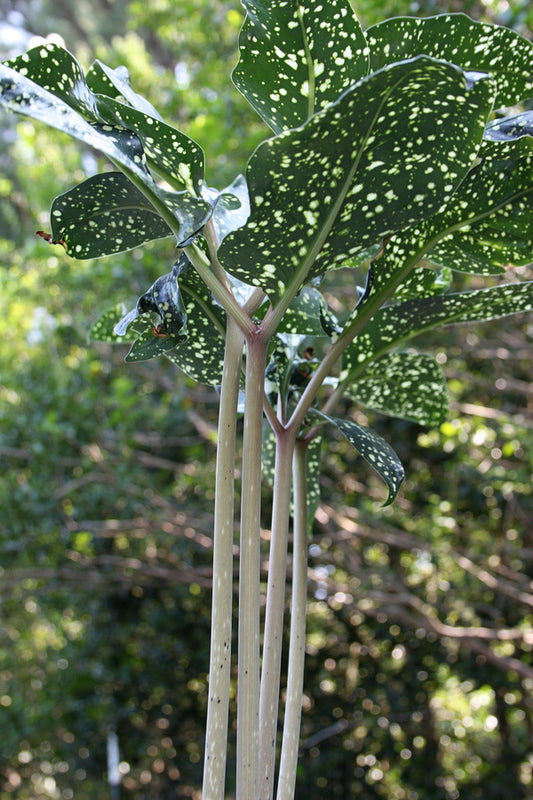





More Information About Aroids
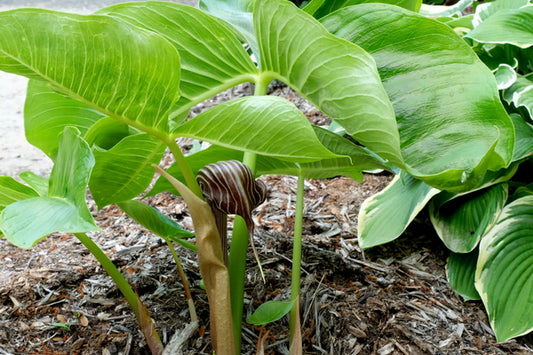
Aroid is the common name for the Araceae family of plants that include many familiar house plants like Colocasia (elephant ears) and Alocasia (upright elephant ears) as well as more exotic genera like Arisaema (Jack-in-the-pulpit) and Amorphophallus (voodoo lily).
The garden perennials known as Aroids are a group of very unique plants and are also some of the most popular perennial plants here at Plant Delights due to their unusual spathe and spadix flower. Aroids thrive in a variety of habitats...some prefer a sunny spot and others are woodland garden shade plants.
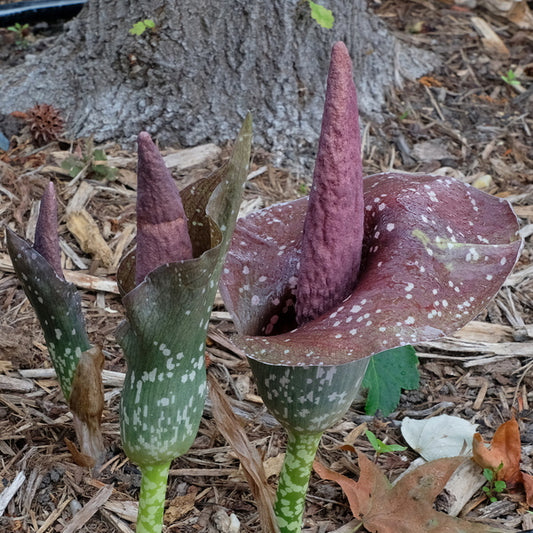
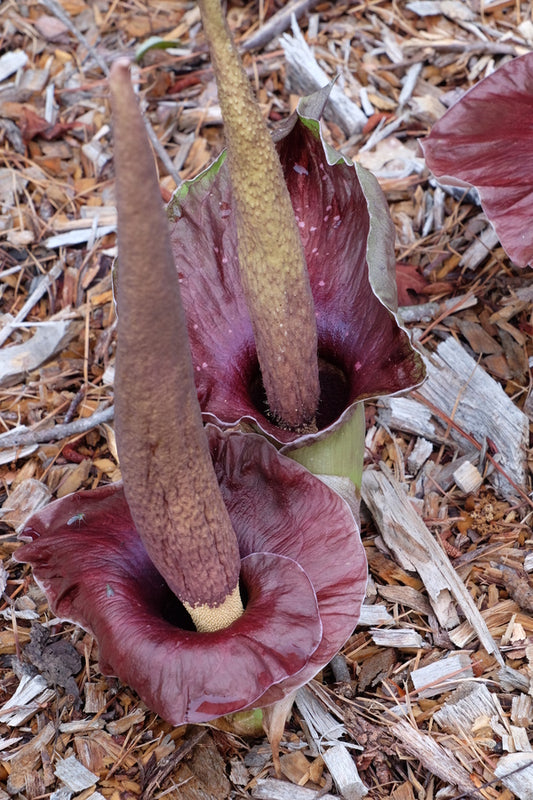
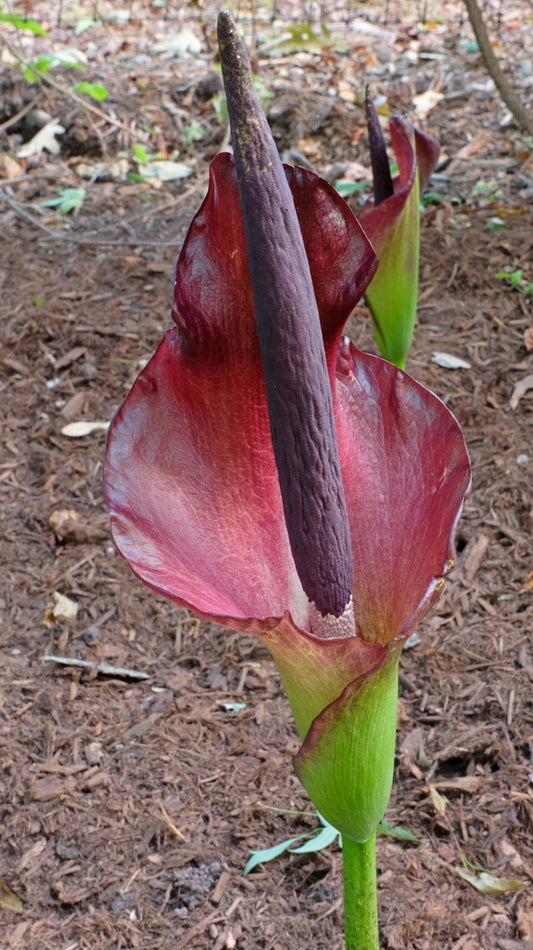
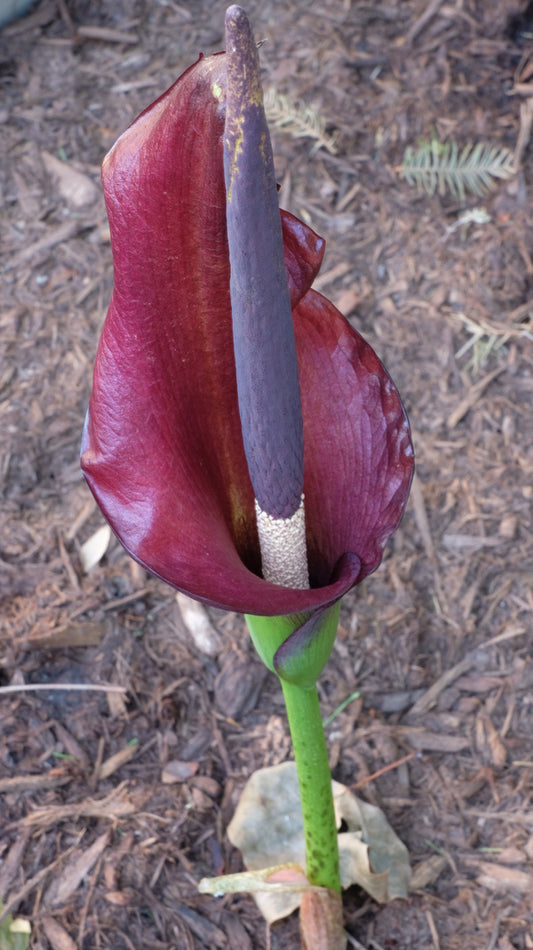
Aroids are exotic plants that vary in size , shape and texture from the impressive elephant ears (Alocasia, Colocasia, Remusatia) to the diminutive Mouse Plant (Arisarum) and green dragon (Pinellia). If you are looking a really unique and unusual perennial for your garden, try an aroid.
Members of the aroid family also include the voodoo lilies (Amorphophallus, Dracunculus, and Sauromatum), woodland plants whose anatomically incorrect flowers appear out of nowhere a month before their leaves in the spring. Some aroids are bizarre flowering perennials but many are prized just for their large, highly textural, deeply lobed, and sometimes variegated foliage. One of the most popular and widely known aroids is Jack-in-the-pulpit (Arisaema) that preaches the gospel every spring. Plant Delights Nursery has one of the largest collections of aroids and other unique plants for sale in the country. We are continually adding new aroid specimens to our plant catalog so check back often.
Don't forget to read our in-depth article about Arisaemas. Also, before you try growing your own corpse flower, be sure to check out our article: How to Grow Amorphophallus titanum.