
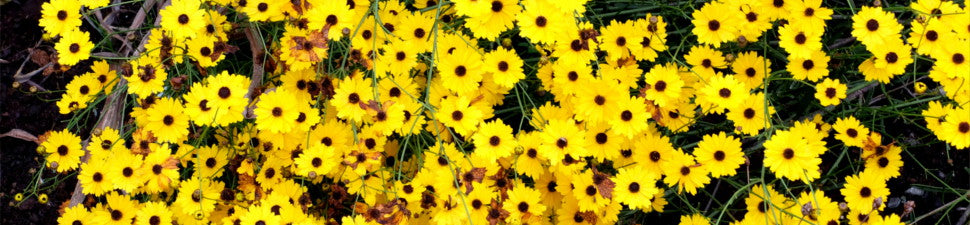
Despite mild winters, selecting salt tolerant plants for a coastal, seaside, or desert garden can be difficult since the soil is usually very sandy, free draining, and may have a high pH. On top of that, the groundwater is frequently salty and marine winds carry a fine mist of salt-laden water that gets deposited on plant leaves.
-
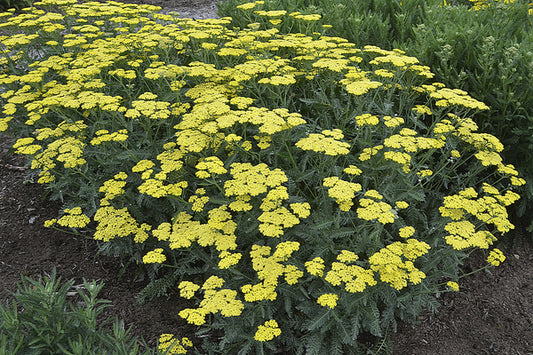
Achillea 'Sassy Summer Lemon' PP 31,693
Item #: 13577
Zones: 5a to 8b, possibly much colder
Dormancy: Winter
Height: 28" tall
Culture: Sun
Origin: Hybrid
Pot Size: 3.5" pot (24 fl. oz/0.7 L)
Regular price $20.00Regular priceUnit price per -
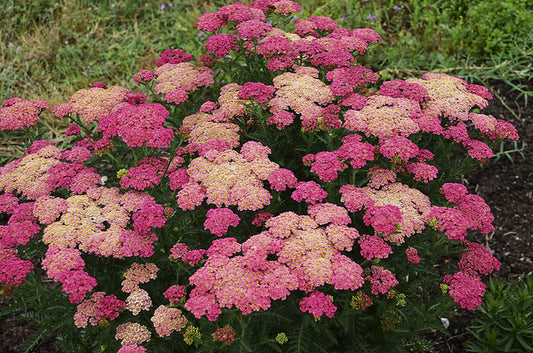
Achillea 'Sassy Summer Taffy' PP 31,755
Item #: 13575
Zones: 5a to 8b, possibly much colder
Dormancy: Winter
Height: 32" tall
Culture: Sun
Origin: Hybrid
Pot Size: 3.5" pot (24 fl. oz/0.7 L)
Regular price $20.00Regular priceUnit price per -
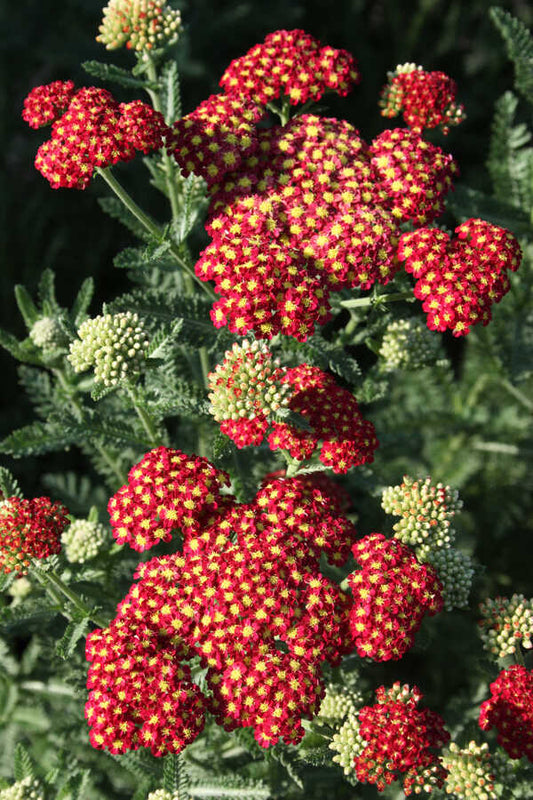
Achillea 'Strawberry Seduction' PP 18,401
Item #: 9200
Zones: 3a to 8b
Dormancy: Winter
Height: 24" tall
Culture: Sun
Origin: Hybrid
Pot Size: 3.5" pot (24 fl. oz/0.7 L)
Regular price $20.00Regular priceUnit price per -
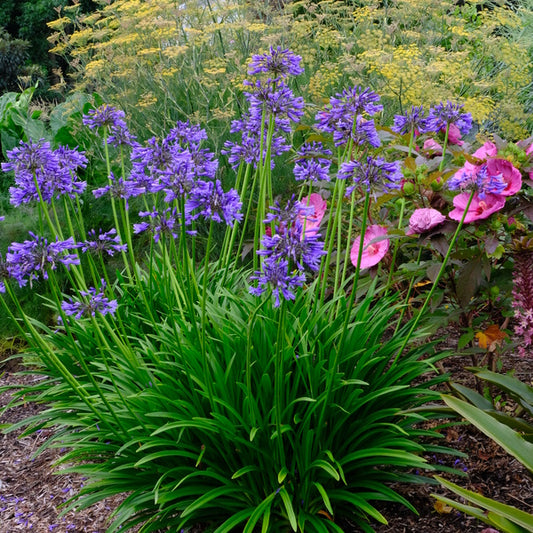
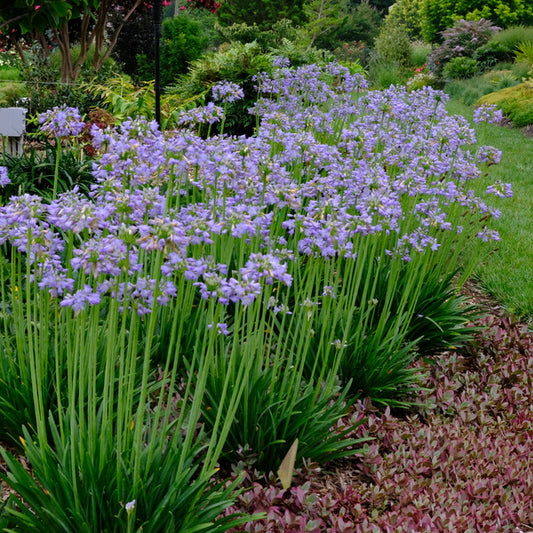
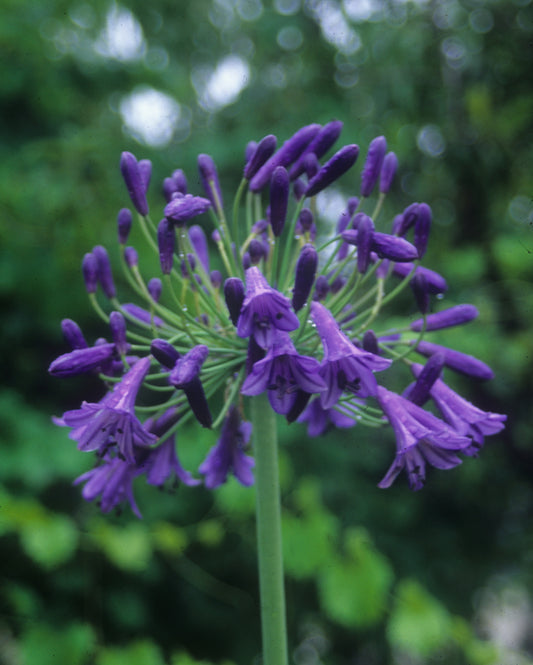
Agapanthus 'Ever Amethyst' PP 30,163
Item #: 17902
Zones: 7b to 10b, at least
Dormancy: Winter
Height: 24" tall
Culture: Sun to Part Sun
Origin: Hybrid
Pot Size: 3.5" pot (24 fl. oz/0.7 L)
Regular price $28.00Regular priceUnit price per -
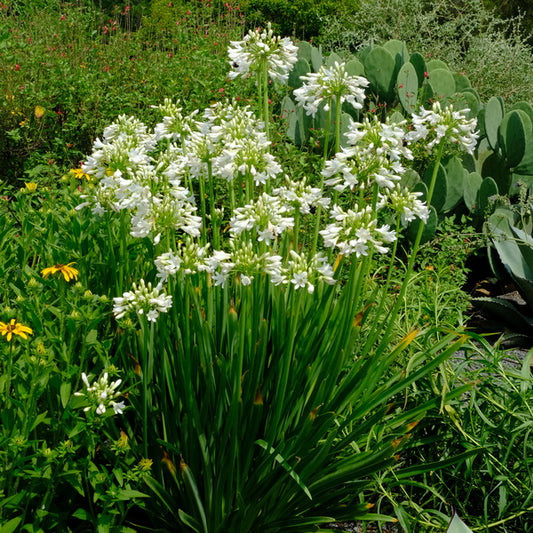
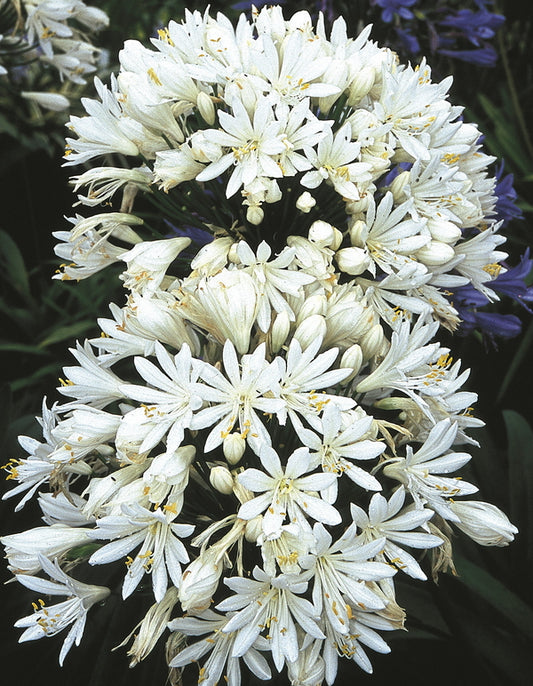
Agapanthus 'Galaxy White' PP 31,431
Item #: 17107
Zones: 6a to 10b
Dormancy: Winter
Height: 36" tall
Culture: Sun to Part Sun
Origin: Hybrid
Pot Size: 3.5" pot (24 fl. oz/0.7 L)
Regular price $28.00Regular priceUnit price per -
Agapanthus 'Navy Blue'
Item #: 12996
Zones: 6a to 10b
Dormancy: Winter
Height: 48" tall
Culture: Sun to Part Sun
Origin: Hybrid
Pot Size: 3.5" pot (24 fl. oz/0.7 L)
Regular price $28.00Regular priceUnit price per -
Agapanthus 'Prolific Blue'
Item #: 12997
Zones: 6a to 10b, at least
Dormancy: Winter
Height: 30" tall
Culture: Sun to Part Sun
Origin: Hybrid
Pot Size: 3.5" pot (24 fl. oz/0.7 L)
Regular price $28.00Regular priceUnit price per -
Agapanthus 'Stevie's Wonder'
Item #: 8250
Zones: 7b to 10b, at least
Dormancy: Winter
Height: 36" tall
Culture: Sun to Part Sun
Origin: Hybrid
Pot Size: 3.5" pot (24 fl. oz/0.7 L)
Regular price $28.00Regular priceUnit price per -
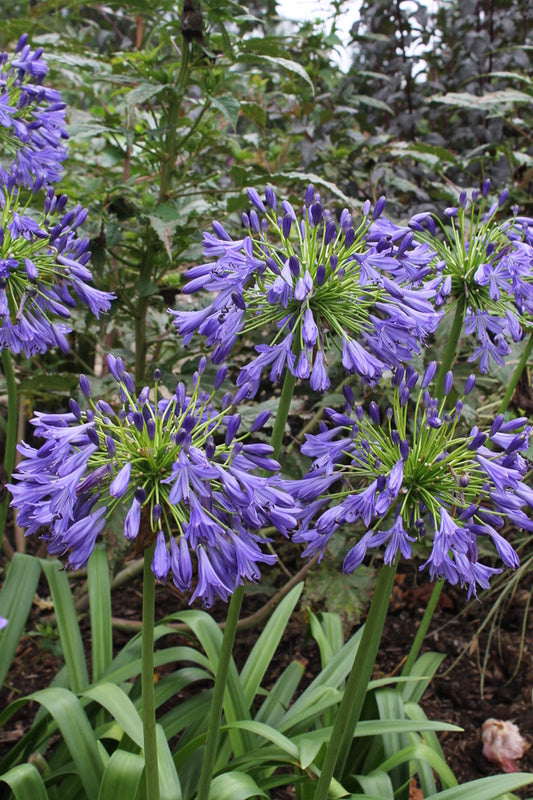
Agapanthus 'Storm Cloud'
Item #: 1342
Zones: 7b to 10b, at least
Dormancy: Winter
Height: 48" tall
Culture: Sun to Part Sun
Origin: Hybrid
Pot Size: 3.5" pot (24 fl. oz/0.7 L)
Regular price $29.00Regular priceUnit price per -
 Sold out
Agapanthus 'Twister' PP 25,519
Item #: 13692
Zones: 7b to 10b, at least
Dormancy: Winter
Height: 48" tall
Culture: Sun to Part Sun
Origin: Hybrid
Pot Size: 3.5" pot (24 fl. oz/0.7 L)
Regular price $28.00Regular priceUnit price per -
Agapanthus 'White Heaven'
Item #: 6390
Zones: 7b to 10b
Dormancy: Winter
Height: 30" tall
Culture: Sun to Part Sun
Origin: Hybrid
Pot Size: 3.5" pot (24 fl. oz/0.7 L)
Regular price $29.00Regular priceUnit price per -
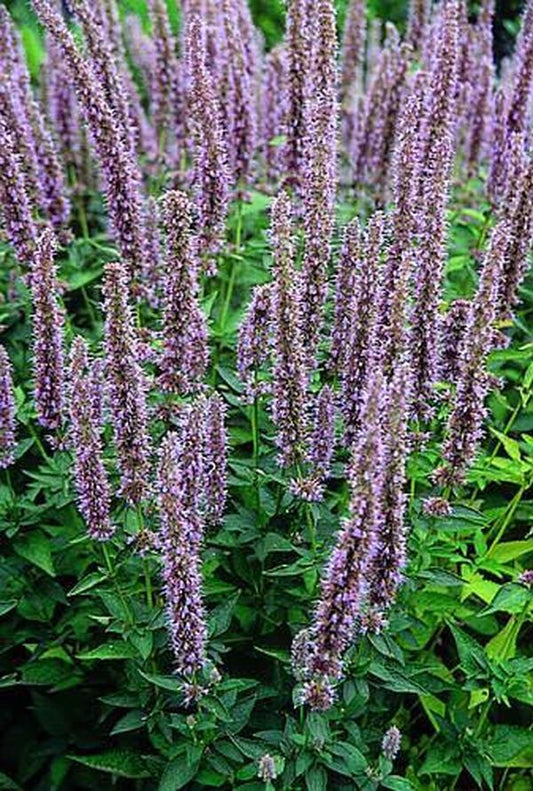
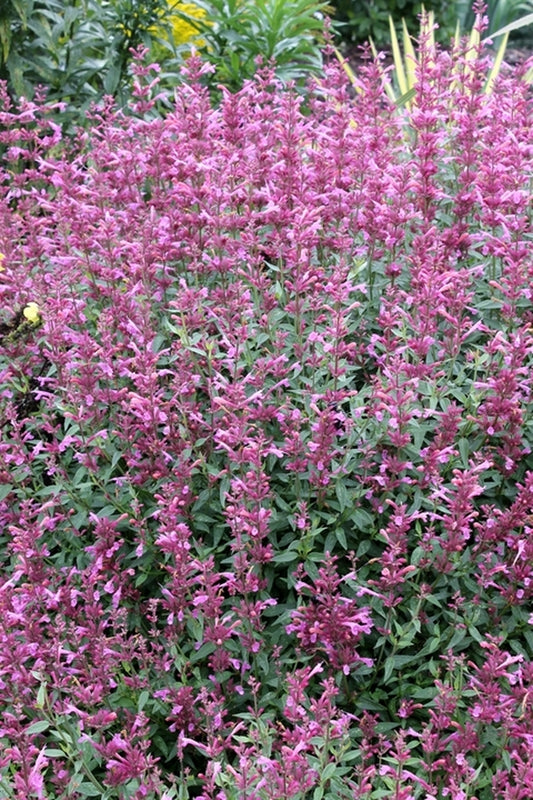
Agastache 'Beelicious Purple' PP 30,614
Item #: 18764
Zones: 6a to 8b, guessing
Dormancy: Winter
Height: 36" tall
Culture: Sun
Origin: Hybrid
Pot Size: 3.5" pot (24 fl. oz/0.7 L)
Regular price $21.00Regular priceUnit price per -
Agastache 'Blue Fortune'
Item #: 3209
Zones: 3a to 9b
Dormancy: Winter
Height: 36" tall
Culture: Sun
Origin: United States Hybrid
Pot Size: 3.5" pot (24 fl. oz/0.7 L)
Regular price $21.00Regular priceUnit price per -
Agastache 'Peachie Keen' PP 25,886
Item #: 10635
Zones: 5a to 8b
Dormancy: Winter
Height: 24" tall
Culture: Sun
Origin: United States Hybrid
Pot Size: 3.5" pot (24 fl. oz/0.7 L)
Regular price $21.00Regular priceUnit price per -
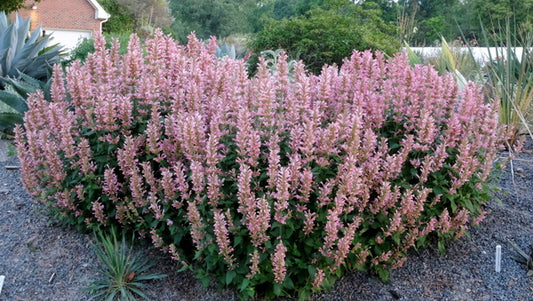
Agastache 'Pink Pearl' PP 36,637
Item #: 17879
Zones: 6a to 8b
Dormancy: Winter
Height: 18" tall
Culture: Sun
Origin: United States Hybrid
Pot Size: 3.5" pot (24 fl. oz/0.7 L)
Regular price $21.00Regular priceUnit price per
-
Agastache 'Queen Nectarine' PP 34,896
Item #: 17504
Zones: 5a to 8b
Dormancy: Winter
Height: 42" tall
Culture: Sun
Origin: United States Hybrid
Pot Size: 3.5" pot (24 fl. oz/0.7 L)
Regular price $21.00Regular priceUnit price per -
Agastache 'Rosie Posie' PP 25,857
Item #: 10636
Zones: 5a to 8b
Dormancy: Winter
Height: 24" tall
Culture: Sun
Origin: United States Hybrid
Pot Size: 3.5" pot (24 fl. oz/0.7 L)
Regular price $21.00Regular priceUnit price per -
Agave albopilosa
Item #: 9610
Zones: 8a to 10b, guessing
Dormancy: Evergreen
Height: 12" tall
Culture: Sun to Part Sun
Origin: Mexico
Pot Size: 3.5" pot (24 fl. oz/0.7 L)
Regular price $55.00Regular priceUnit price per -
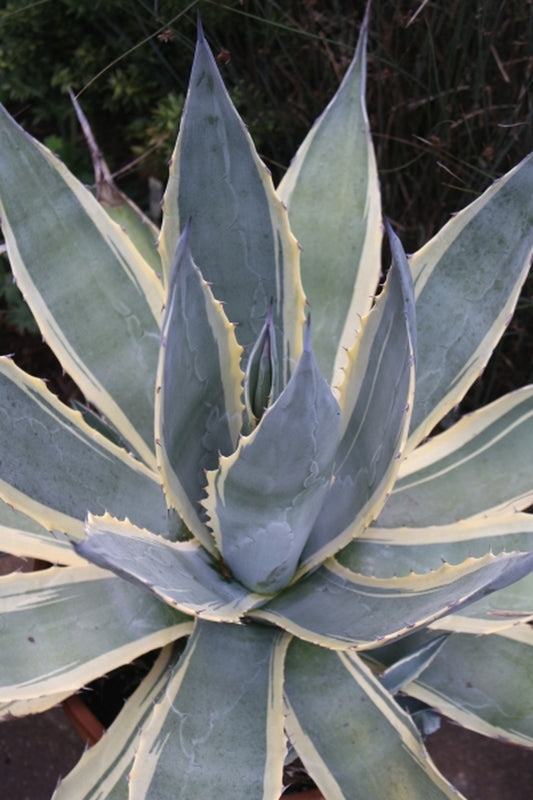
Agave americana 'Marshmallow Cream'
Item #: 7869
Zones: 9a to 10b, guessing
Dormancy: Evergreen
Height: 60" tall
Culture: Sun
Origin: Mexico
Pot Size: 3.5" pot (24 fl. oz/0.7 L)
Regular price $35.00Regular priceUnit price per -
Agave x amourifolia 'Twisted Tongue'
Item #: 13065
Zones: 7b to 10b, at least
Dormancy: Evergreen
Height: 36" tall
Culture: Sun
Origin: Hybrid
Pot Size: 3.5" pot (24 fl. oz/0.7 L)
Regular price $35.00Regular priceUnit price per -
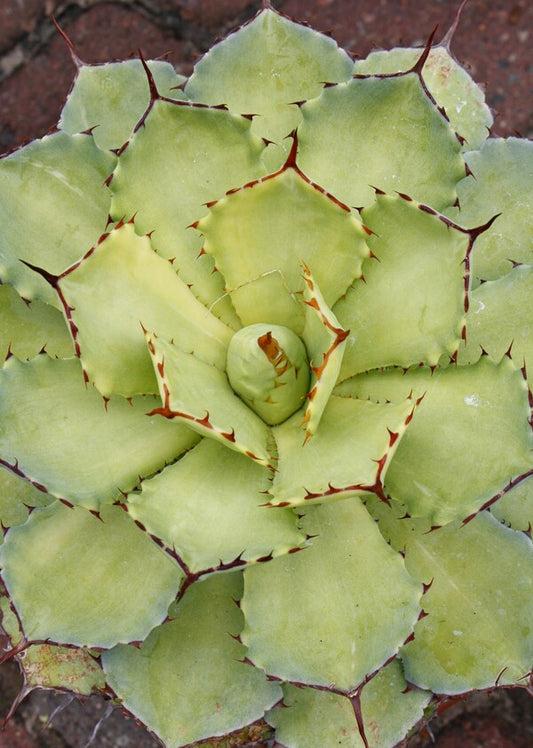
Agave applanata 'Butter Cream'
Item #: 13072
Zones: 9a to 10b
Dormancy: Evergreen
Height: 3" tall
Culture: Sun
Origin: Mexico
Pot Size: 3.5" pot (24 fl. oz/0.7 L)
Regular price $32.00Regular priceUnit price per -
Agave applanata 'Cream Spike'
Item #: 7241
Zones: 9a to 10b
Dormancy: Evergreen
Height: 10" tall
Culture: Sun
Origin: Mexico
Pot Size: 3.5" pot (24 fl. oz/0.7 L)
Regular price $30.00Regular priceUnit price per -
Agave asperrima ssp. maderensis 'Grand Duke'
Item #: 12313
Zones: 8a to 10b, possibly colder
Dormancy: Evergreen
Height: 18" tall
Culture: Sun to Part Sun
Origin: Mexico
Pot Size: 3.5" pot (24 fl. oz/0.7 L)
Regular price $30.00Regular priceUnit price per -
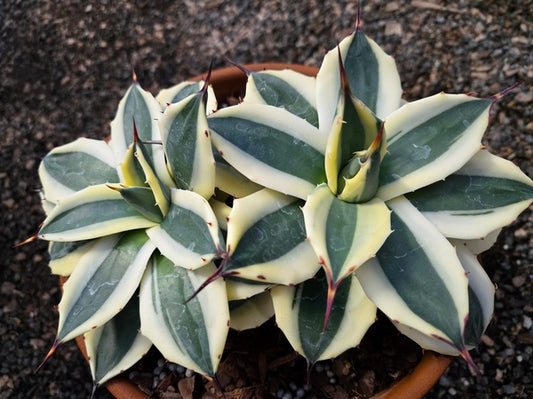
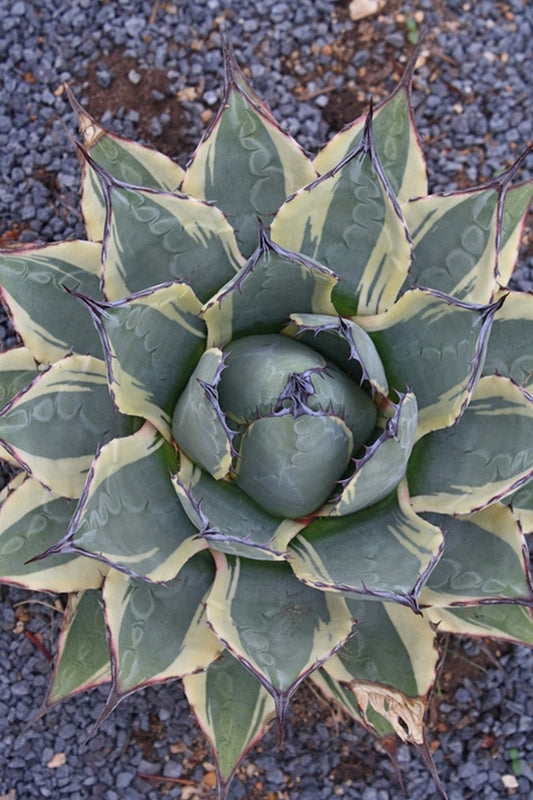
Agave 'Bleached Blonde'
Item #: 9347
Zones: 9a to 10b
Dormancy: Evergreen
Height: 12" tall
Culture: Sun to Part Sun
Origin: Mexico
Pot Size: 3.5" pot (24 fl. oz/0.7 L)
Regular price $32.00Regular priceUnit price per









More Information About Salt Tolerant Seaside Plants
This combination of desiccating factors in coastal gardens can severely stress a landscape plant growing in seaside conditions. Similar salt-related gardening issues may occur if you plant in the drainage path of a salt-treated road or garden in salty desert soil. Luckily there are plenty of salt tolerant perennial plants that can thrive in these coastal garden conditions!
When we say "salt" we are referring primarily to sodium chloride, aka table salt. There are other salts in the world, but this is the one that most vexes gardeners.
Why is Salt Bad for Plants?
There are three main reasons:
- Salt causes plants to lose water.
- Salt can interfere with plant nutrient absorption.
- Salt can interfere with plant metabolism.
How does salt cause plants to lose water?
Osmosis is the mechanism that allows plants to ingest water from soil using their roots. Roots are semipermeable so water molecules can pass from the soil into the cells of the plant. If the salinity of the soil is too high though, the reverse can happen. Water moves out of the plant into the soil causing the plant to lose water and eventually die.
How does salt interfere with plant nutrient absorption?
Plant roots absorb a variety of dissolved mineral salts from the soil. Too much salt in the soil can interfere with the availability and absorption of vital mineral salts due to ion charge imbalances, competitive inhibition of absorption, unbalanced root absorption, and disruption of the internal osmotic balance of the root cells.
How does salt interfere with plant metabolism?
If plants have too much salt in their tissues, it can interfere with the cells' biochemistry, making the cell less efficient and less productive. Salt resistant perennial plants have adjusted their metabolic chemistry to run more efficiently in the presence of high salt levels.
For these reasons, salt tolerant plants do much better in haline environments than their non-salt adapted cousins. Salt adapted perennials are what coastal gardeners should plant in their exposed beach landscapes. As a general rule of thumb, coastal native plants and desert plants or succulents tend to be salt tolerant plants. Scientists have a word for the most extreme salt tolerant plants - halophytes. True halophytes are the kings of the salt tolerant plants and can even drink seawater. Most salt-adapted garden perennials are not true halophytes, but they are still better than most other perennials. Some people further divide salt tolerant or salt resistant plants into "very salt tolerant or resistant", "moderately salt tolerant", and "mildly salt tolerant" groups, but our list lumps them all together.
Growing Plants in a Coastal Environment
In addition to selecting salt resistant plants, gardeners can practice a few cultivation techniques to improve the performance of their plants in a coastal environment.
- Amend the soil with plenty of compost to increase its water holding capacity;
- Water deeply to flush salts out of the root zone;
- Build a wind break, fence or berm to reduce salt spray;
- Do a soil test to determine if you need to adjust your soil pH. Good soil pH levels can improve a plants ability to absorb mineral nutrients despite the presence of salt.
When you are ready to buy salt tolerant plants for your desert or coastal garden, check out our online catalog of salt tolerant plants for sale. All plant groups are well represented...sun perennials, shade perennials, ornamental grasses, flowering perennials, foliage plants, ferns and cold hardy palm trees.