

Lycoris are commonly called surprise lilies, spider lilies, or hurricane lilies. Lycoris varieties come in two kinds; those that grow foliage in the fall, and those that wait until spring. Some fall foliage types are winter hardy into Zone 6b, while spring varieties should survive as far as north as Zone 3. Plant Delights currently has the largest collection of lycoris in the world and we will continue to propagate and share the best as they become available.
-
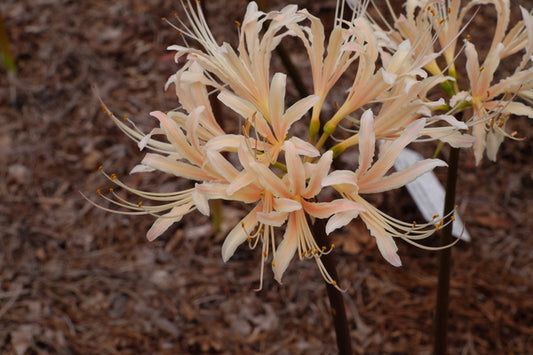
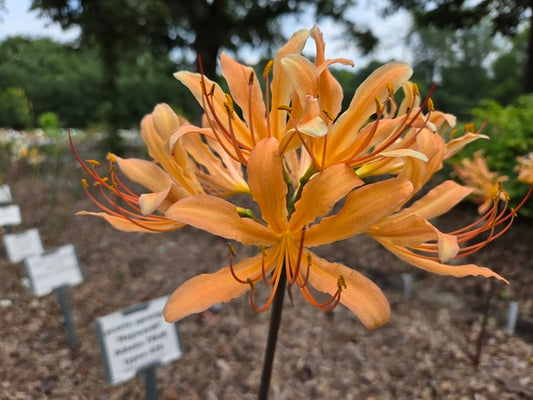
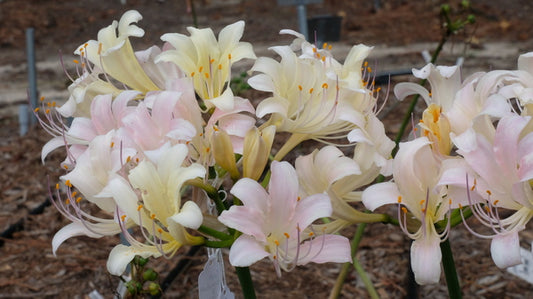
Lycoris x albiflora 'Apricot Lace'
Item #: 12923
Zones: 7b to 9b, at least
Dormancy: Summer
Height: 21" tall
Culture: Sun to Light Shade
Origin: Hybrid
Pot Size: 3.5" pot (24 fl. oz/0.7 L)
Regular price $22.40Regular priceUnit price per$28.00Sale price $22.40Sale -
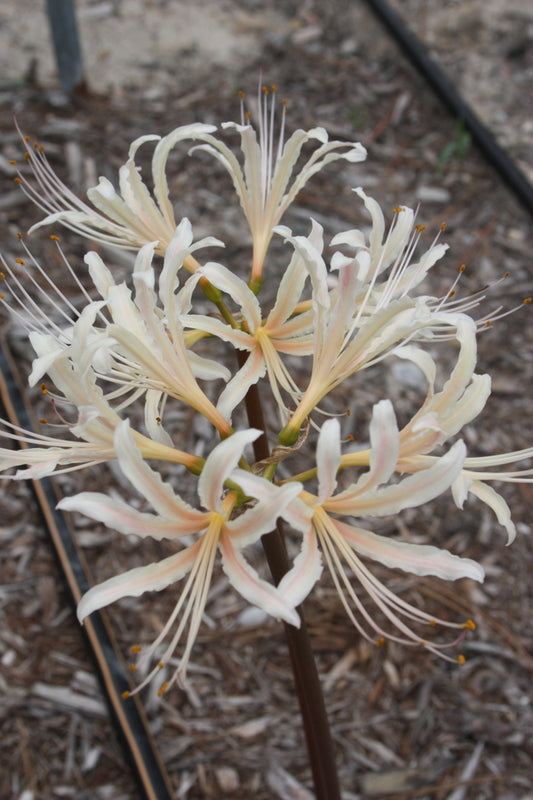
Lycoris x albiflora 'Dorman'
Item #: 9126
Zones: 7b to 9b, at least
Dormancy: Summer
Height: 15" tall
Culture: Sun to Part Sun
Origin: Hybrid
Pot Size: 3.5" pot (24 fl. oz/0.7 L)
Regular price $22.40Regular priceUnit price per$28.00Sale price $22.40Sale -
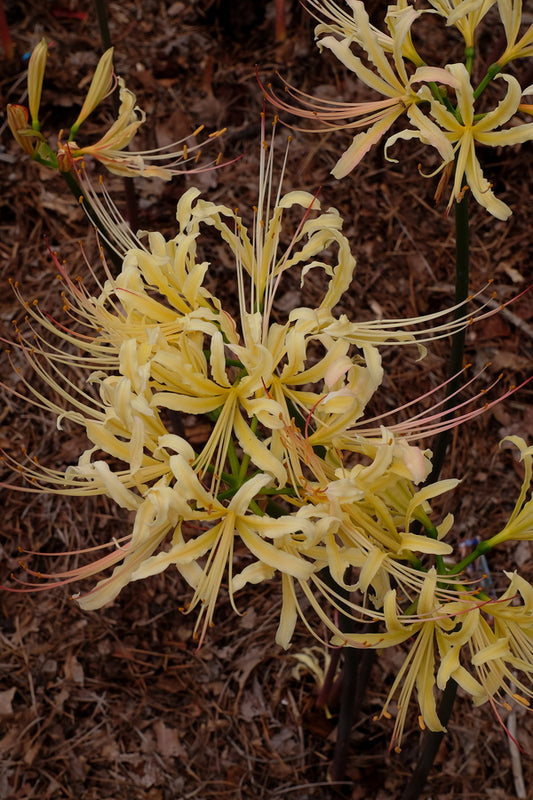
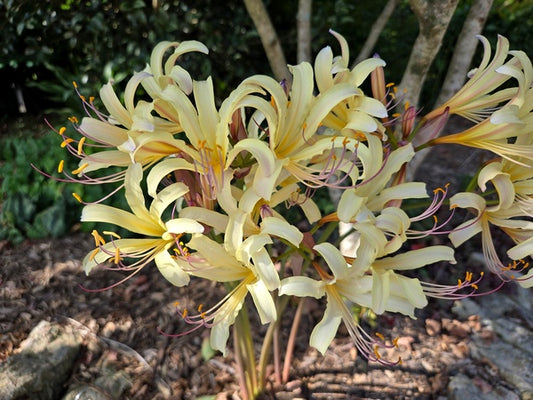
Lycoris x albiflora 'Yellow Swallowtail'
Item #: 12815
Zones: 6b to 9a
Dormancy: Summer
Height: 22" tall
Culture: Sun to Part Sun
Origin: China
Pot Size: 3.5" pot (24 fl. oz/0.7 L)
Regular price $28.00Regular priceUnit price per -
Lycoris x caldwellii 'Eye Scream'
Item #: 16566
Zones: 4b to 8b, at least
Dormancy: Summer
Height: 30" tall
Culture: Sun to Light Shade
Origin: Hybrid
Pot Size: 3.5" pot (24 fl. oz/0.7 L)
Regular price $24.00Regular priceUnit price per$30.00Sale price $24.00 Sale
Sale -
Lycoris x caldwellii 'Sky Over Sky'
Item #: 6103
Zones: 4b to 8b, at least
Dormancy: Summer
Height: 24" tall
Culture: Sun to Light Shade
Origin: Hybrid
Pot Size: 3.5" pot (24 fl. oz/0.7 L)
Regular price $29.00Regular priceUnit price per -
Lycoris x elsiae 'Autumnal Streaker'
Item #: 15870
Zones: 7b to 9b, at least
Dormancy: Summer
Height: 21" tall
Culture: Sun to Light Shade
Origin: Hybrid
Pot Size: 3.5" pot (24 fl. oz/0.7 L)
Regular price $22.40Regular priceUnit price per$28.00Sale price $22.40Sale -
Lycoris x elsiae 'Candlelight'
Item #: 12188
Zones: 7b to 9b
Dormancy: Summer
Height: 21" tall
Culture: Sun to Light Shade
Origin: Hybrid
Pot Size: 3.5" pot (24 fl. oz/0.7 L)
Regular price $22.40Regular priceUnit price per$28.00Sale price $22.40Sale -
Lycoris x elsiae 'Sakusui'
Item #: 18692
Zones: 7b to 9b, at least
Dormancy: Summer
Height: 21" tall
Culture: Sun to Light Shade
Origin: Hybrid
Pot Size: 3.5" pot (24 fl. oz/0.7 L)
Regular price $22.40Regular priceUnit price per$28.00Sale price $22.40Sale -
Lycoris x flaveri 'Orange Glow'
Item #: 18389
Zones: 4a to 7b, guessing
Dormancy: Summer
Height: 24" tall
Culture: Sun to Light Shade
Origin: Hybrid
Pot Size: 3.5" pot (24 fl. oz/0.7 L)
Regular price $32.00Regular priceUnit price per -
Lycoris x incarnata 'Stargazer'
Item #: 10616
Zones: 5a to 8b, at least
Dormancy: Summer
Height: 28" tall
Culture: Sun to Part Sun
Origin: Hybrid
Pot Size: 3.5" pot (24 fl. oz/0.7 L)
Regular price $30.00Regular priceUnit price per -
Lycoris x incarnata 'Viewing Fish at Jade Fountain'
Item #: 12037
Zones: 4b to 8b, at least
Dormancy: Summer
Height: 17" tall
Culture: Sun to Light Shade
Origin: Hybrid
Pot Size: 3.5" pot (24 fl. oz/0.7 L)
Regular price $23.20Regular priceUnit price per$29.00Sale price $23.20Sale -
Lycoris x jinzheniae 'Haysper Gold'
Item #: 18252
Zones: 4a to 8b
Dormancy: Summer, Fall
Height: 22" tall
Culture: Sun to Light Shade
Origin: Hybrid
Pot Size: 3.5" pot (24 fl. oz/0.7 L)
Regular price $30.00Regular priceUnit price per -
Lycoris x jinzheniae 'September Cream Beauty'
Item #: 17436
Zones: 4a to 7b, probably colder
Dormancy: Summer
Height: 24" tall
Culture: Sun to Light Shade
Origin: Hybrid
Pot Size: 3.5" pot (24 fl. oz/0.7 L)
Regular price $30.00Regular priceUnit price per -
Lycoris x jinzheniae 'Summer Leg Beauty'
Item #: 18250
Zones: 4b to 8b, probably colder
Dormancy: Summer
Height: 28" tall
Culture: Sun to Light Shade
Origin: Hybrid
Pot Size: 3.5" pot (24 fl. oz/0.7 L)
Regular price $24.00Regular priceUnit price per$30.00Sale price $24.00
Sold out -
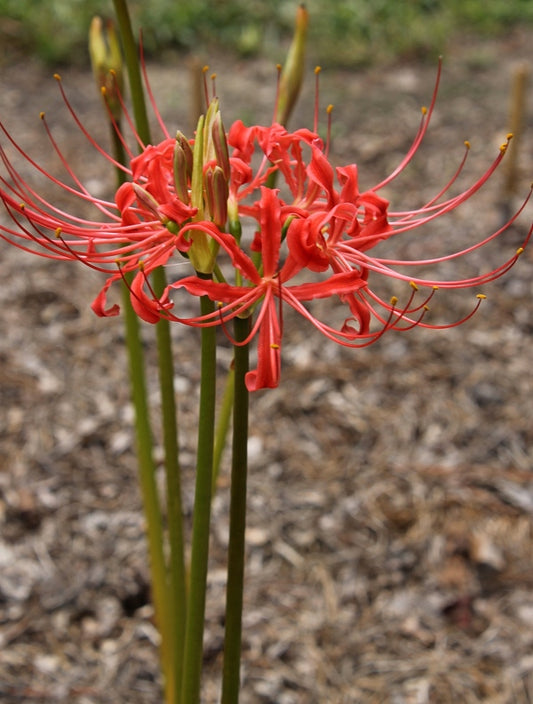
Lycoris radiata var. pumila 'Red China'
Item #: 9004
Zones: 6a to 10b
Dormancy: Summer
Height: 26" tall
Culture: Sun to Part Sun
Origin: China
Pot Size: 3.5" pot (24 fl. oz/0.7 L)
Regular price $22.40Regular priceUnit price per$28.00Sale price $22.40Sold out -
Lycoris radiata var. radiata 'Little Red Riding Hood'
Item #: 19053
Zones: 6b to 9b
Dormancy: Summer
Height: 17" tall
Culture: Sun to Light Shade
Origin: China
Pot Size: 3.5" pot (24 fl. oz/0.7 L)
Regular price $25.00Regular priceUnit price per -
Lycoris radiata var. radiata 'Modern Japanese'
Item #: 4007
Zones: 6b to 9b
Dormancy: Summer
Height: 24" tall
Culture: Sun to Light Shade
Origin: China
Pot Size: 3.5" pot (24 fl. oz/0.7 L)
Regular price $22.40Regular priceUnit price per$28.00Sale price $22.40Sold out -
 Sold out
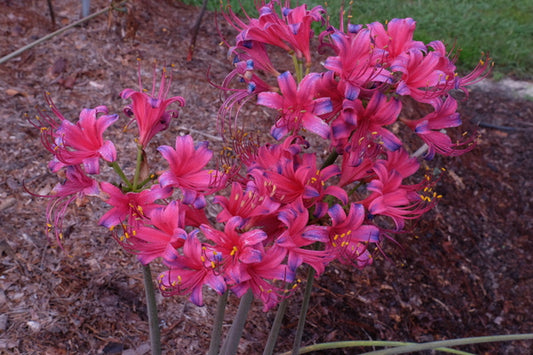
Lycoris x rosea 'Berry Awesome'
Item #: 4056
Zones: 7a to 9b
Dormancy: Summer
Height: 22" tall
Culture: Part Sun to Light Shade
Origin: Hybrid
Pot Size: 3.5" pot (24 fl. oz/0.7 L)
Regular price $28.00Regular priceUnit price per -
 Sold out
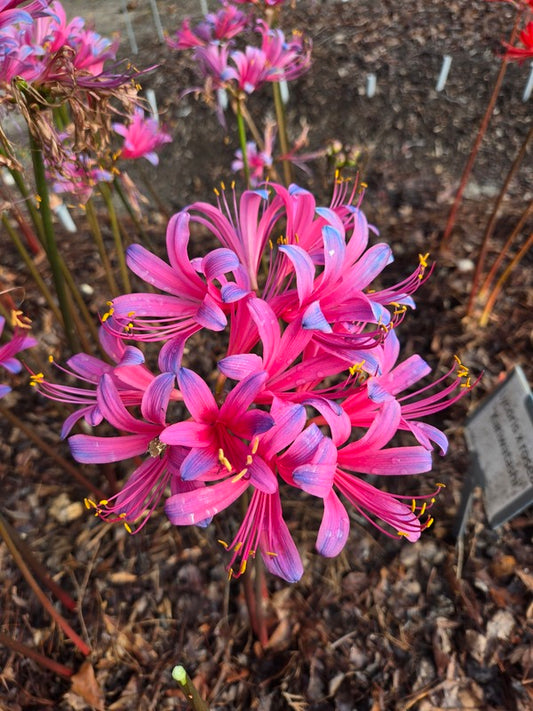
Lycoris x rosea 'Fruit Punch'
Item #: 10823
Zones: 7a to 9b
Dormancy: Summer
Height: 25" tall
Culture: Sun to Part Sun
Origin: Hybrid
Pot Size: 3.5" pot (24 fl. oz/0.7 L)
Regular price $28.00Regular priceUnit price per -
 Sold out
Lycoris x rosea 'Hazuki Elegance'
Item #: 18378
Zones: 7a to 9b
Dormancy: Summer
Height: 22" tall
Culture: Part Sun to Light Shade
Origin: Hybrid
Pot Size: 3.5" pot (24 fl. oz/0.7 L)
Regular price $28.00Regular priceUnit price per -
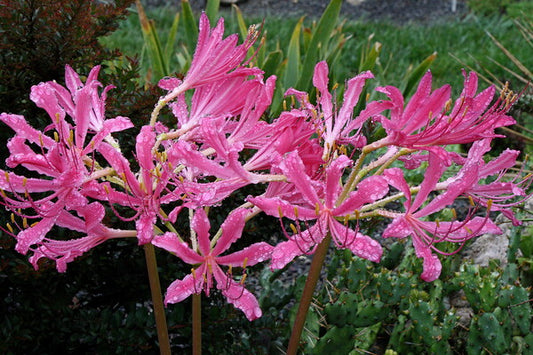
Lycoris x rosea 'Pink-A-Blue'
Item #: 12006
Zones: 7a to 9b
Dormancy: Summer
Height: 18" tall
Culture: Part Sun to Light Shade
Origin: Hybrid
Pot Size: 3.5" pot (24 fl. oz/0.7 L)
Regular price $22.40Regular priceUnit price per$28.00Sale price $22.40Sale -
 Sold out
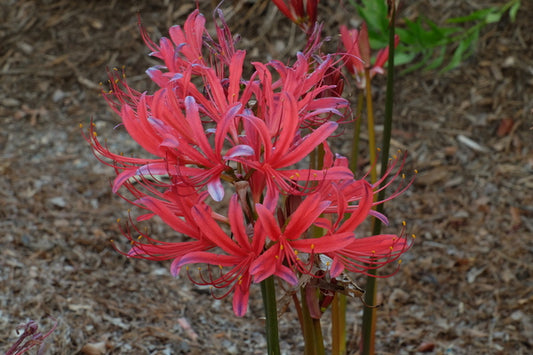
Lycoris x rosea 'Pink Ribbons'
Item #: 12023
Zones: 7a to 9b
Dormancy: Summer
Height: 15" tall
Culture: Part Sun to Light Shade
Origin: Hybrid
Pot Size: 3.5" pot (24 fl. oz/0.7 L)
Regular price $0.00Regular priceUnit price perThis plant is available for JLBG Members only.
-
 Sold out
Lycoris x rosea 'Red Sunset'
Item #: 12034
Zones: 7a to 9b, at least
Dormancy: Summer
Height: 24" tall
Culture: Sun to Light Shade
Origin: Hybrid
Pot Size: 3.5" pot (24 fl. oz/0.7 L)
Regular price $28.00Regular priceUnit price per -
Lycoris x squamigera
Item #: 177
Zones: 4a to 8a, probably colder
Dormancy: Summer
Height: 36" tall
Culture: Sun to Light Shade
Origin: Hybrid, Japan
Pot Size: 3.5" pot (24 fl. oz/0.7 L)
Regular price $28.00Regular priceUnit price per









More Information About Lycoris
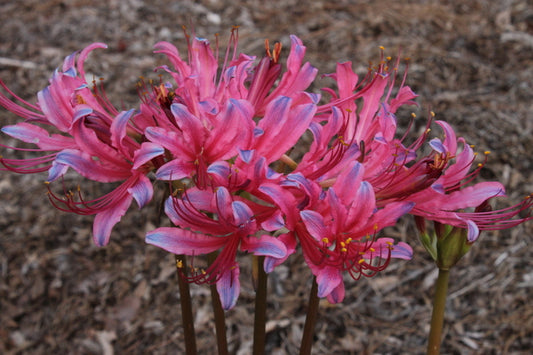
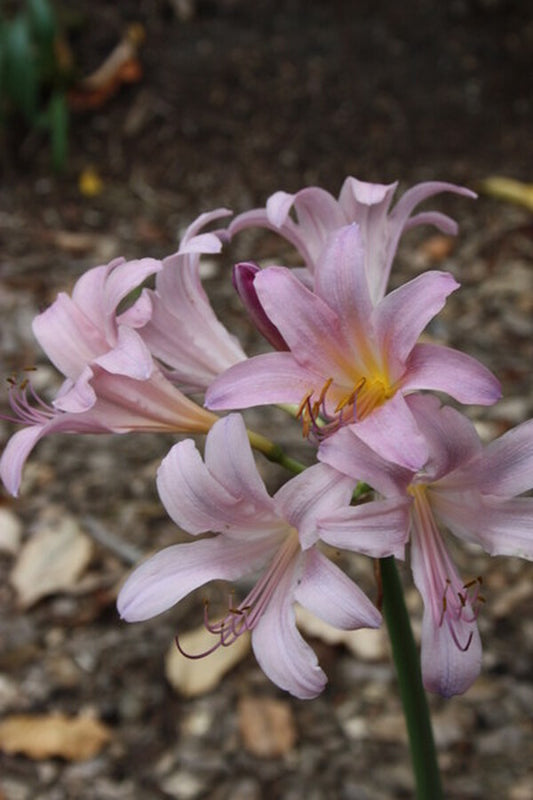
There are two groups of lycoris (surprise lily, red spider lily, hurricane lily), those whose leaves emerge in fall (e.g., Lycoris radiata), and those whose leaves emerge in spring (e.g., Lycoris squamigera). The fall foliage lycoris (red spider lily) is winter hardy down to Zone 6b. However, the spring foliage lycoris (Lycoris x squamigera) can survive as far north as Zone 3. The charming spider lily bulbs produce red, pink, yellow, or white spider lily flowers on naked stems during the late summer or fall (during hurricane season in the US) which is why they are frequently called the hurricane lily. After the flowers are finished, spider lily bulbs grow leaves which hang around until late spring. Unlike most bulbs, surprise lilies have foliage that grows in the winter and goes dormant in the summer.
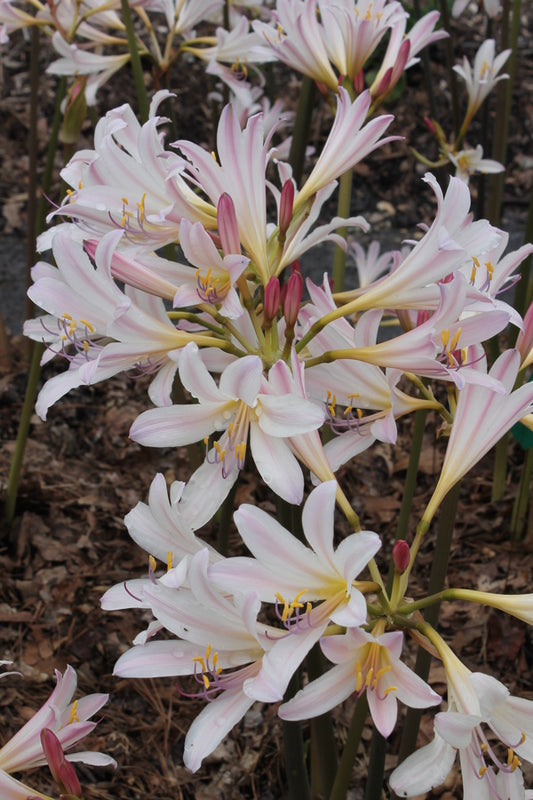
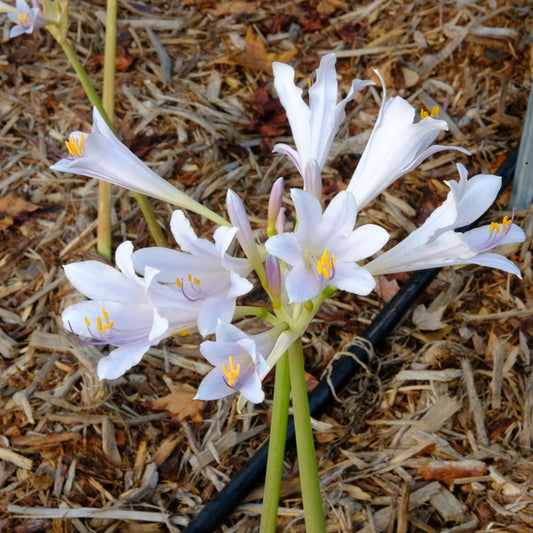
Most gardeners are familiar with the red spider lily (L. radiata) and the pink spider lily (L. x squamigera) and maybe less so with the white spider lily (L. x houdyshelii). And of course we have all three of these selections...but PDN also carries a wide variety of spider lilies in rare and unusual colors that you may not expect such as pale yellow, rich yellow, rusty orange, peach, coral, rose pink and bicolor flowers such as red with blue tips, pink with blue tips, white with pink stripes, pink with red stripes, and pink with pale pink edges, to name just a few. Some of these fantastic lycoris are for sale now and others will be for sale in years to come.
We continue to trial and propagate a huge selection of lycoris (see our hurricane lily photo gallery), which we will gradually make available. Traditionally, only a few species and cultivars of lycoris, such as the red spider lily or hurricane lily, have been available in America...however, several Asian lycoris selections are starting to make their way into specialty nurseries. We have been gathering them together and Plant Delights Nursery now has the largest collection of hurricane lilies in the world.
Lycoris prefers a part sun/part shaded site and although it can tolerate dry conditions, it will perform best with regular water, even when dormant. Lycoris leaves and roots are toxic, so deer and rodents leave them alone, but they have butterfly attracting flowers. Try pairing your spider lilies and surprise lilies with plants that fill in when they are dormant such as: small hemerocallis and its amaryllid relative, zephyranthes or pair them with more permanent plants such as small agave or graptopetalum. When you are ready to buy lycoris for your garden, check out our online offering of lycoris for sale.
Note that there is more than one plant that goes by the name spider lily. In addition to lycoris, hymenocallis is also called spider lily, as is the giant flowering genus crinum.
Join Tony as he shows off the marvelous lycoris varieties that are currently being trialed at Plant Delights Nursery and Juniper Level Botanic Garden.
All You Need To Know About Lycoris