

Deer will eat anything in the perennial garden if they are hungry enough. However, a garden composed of deer proof flowers, ferns, and ornamental grass plants will have greatly reduced or insignificant damage.
-
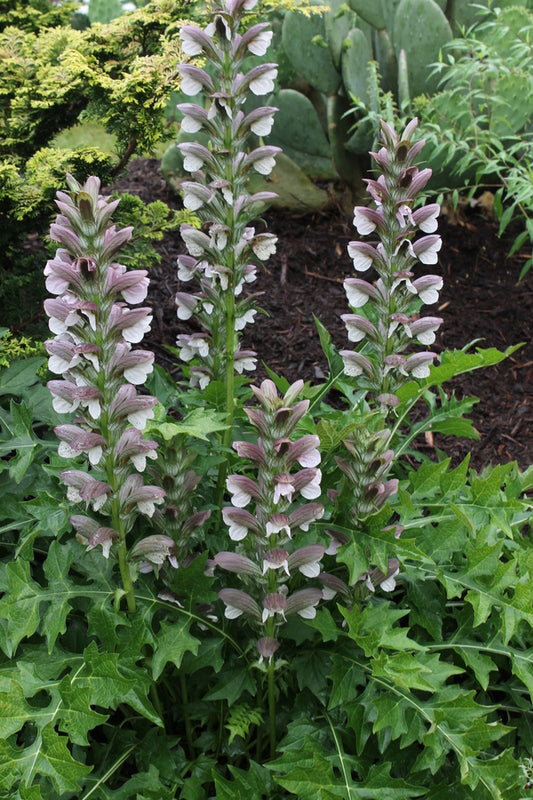
Acanthus hungaricus
Item #: 3496
Zones: 6a to 8b, possibly colder
Dormancy: Winter
Height: 18" tall
Culture: Part Sun to Shade
Origin: Southeast Europe
Pot Size: 3.5" pot (24 fl. oz/0.7 L)
Regular price $27.00Regular priceUnit price per -
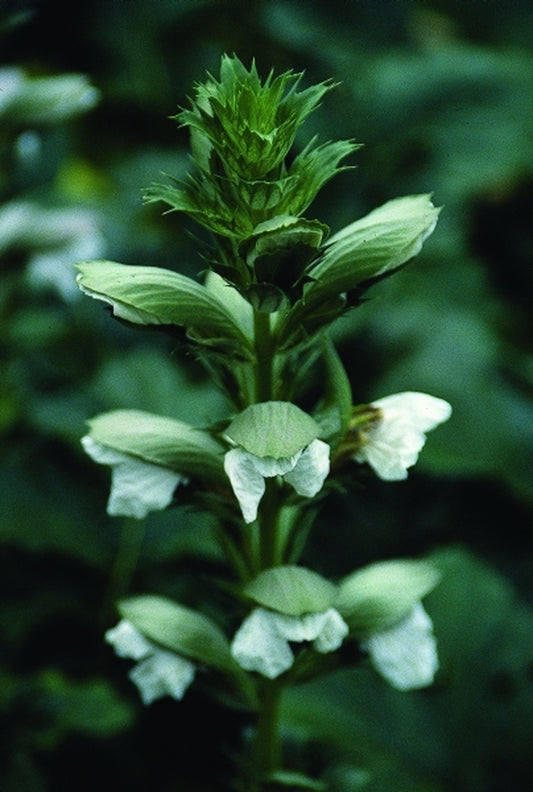
Acanthus mollis Reut, Israel
Item #: 9811
Zones: 7a to 10b, at least
Dormancy: Winter
Height: 24" tall
Culture: Part Sun to Shade
Origin: Mediterranean Europe
Pot Size: 3.5" pot (24 fl. oz/0.7 L)
Regular price $27.00Regular priceUnit price per -
Acanthus mollis 'Rue Ledan'
Item #: 4732
Zones: 6a to 8a
Dormancy: Winter
Height: 20" tall
Culture: Part Sun to Light Shade
Origin: Northern Africa, Southwest Europe
Pot Size: 3.5" pot (24 fl. oz/0.7 L)
Regular price $27.00Regular priceUnit price per -
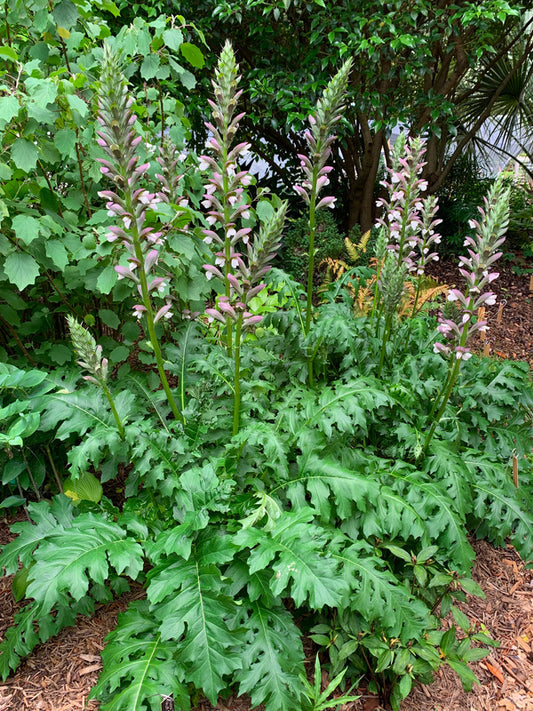
Acanthus 'Mornings Candle'
Item #: 8933
Zones: 6a to 8b, at least
Dormancy: Winter
Height: 24" tall
Culture: Part Sun
Origin: Hybrid
Pot Size: 3.5" pot (24 fl. oz/0.7 L)
Regular price $27.00Regular priceUnit price per -
 Sold out
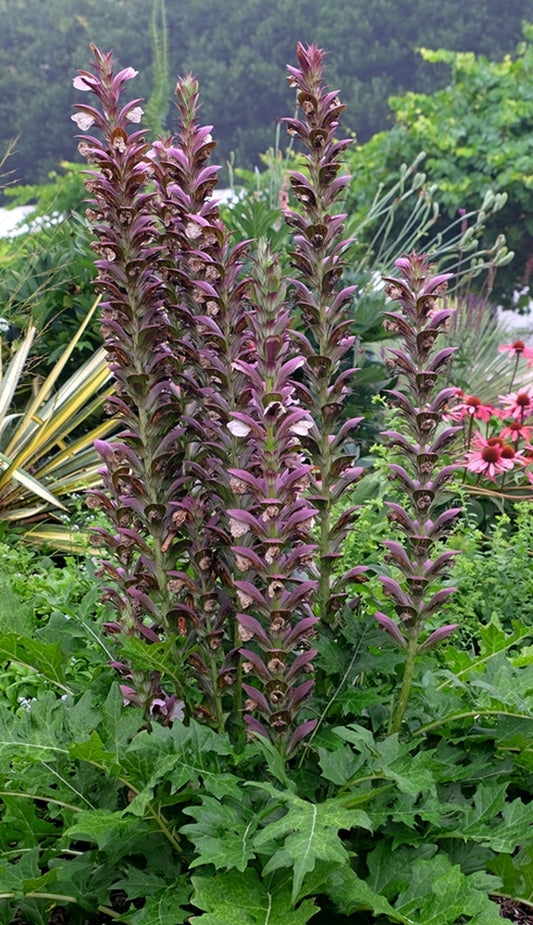
Acanthus 'Summer Beauty'
Item #: 2526
Zones: 6a to 8b, at least
Dormancy: Winter
Height: 30" tall
Culture: Part Sun to Shade
Origin: Hybrid
Pot Size: 3.5" pot (24 fl. oz/0.7 L)
Regular price $27.00Regular priceUnit price per -
Achillea coarctata
Item #: 16084
Zones: 6a to 8b, guessing
Dormancy: Winter
Height: 15" tall
Culture: Sun
Origin: Balkans, Croatia, Greece, Hungary, Moldova, Romania, Serbia, Turkey, Ukraine
Pot Size: 3.5" pot (24 fl. oz/0.7 L)
Regular price $22.00Regular priceUnit price per -
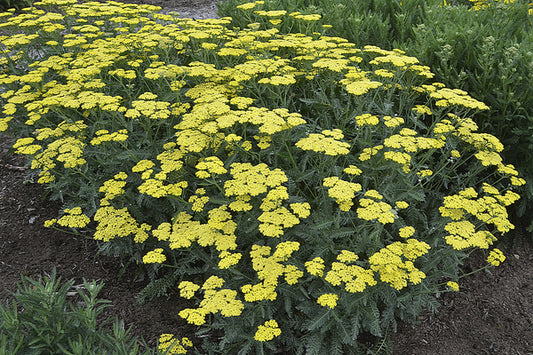
Achillea 'Sassy Summer Lemon' PP 31,693
Item #: 13577
Zones: 5a to 8b, possibly much colder
Dormancy: Winter
Height: 28" tall
Culture: Sun
Origin: Hybrid
Pot Size: 3.5" pot (24 fl. oz/0.7 L)
Regular price $20.00Regular priceUnit price per -
Achillea 'Sassy Summer Taffy' PP 31,755
Item #: 13575
Zones: 5a to 8b, possibly much colder
Dormancy: Winter
Height: 32" tall
Culture: Sun
Origin: Hybrid
Pot Size: 3.5" pot (24 fl. oz/0.7 L)
Regular price $20.00Regular priceUnit price per -
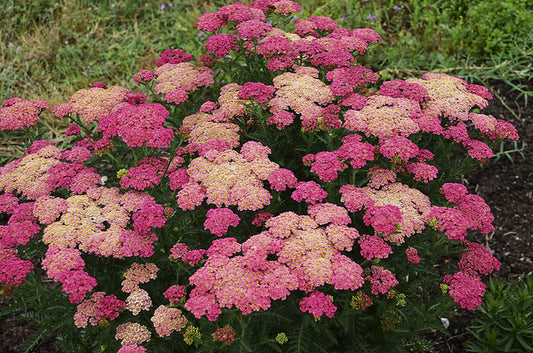
Achillea 'Strawberry Seduction' PP 18,401
Item #: 9200
Zones: 3a to 8b
Dormancy: Winter
Height: 24" tall
Culture: Sun
Origin: Hybrid
Pot Size: 3.5" pot (24 fl. oz/0.7 L)
Regular price $20.00Regular priceUnit price per -
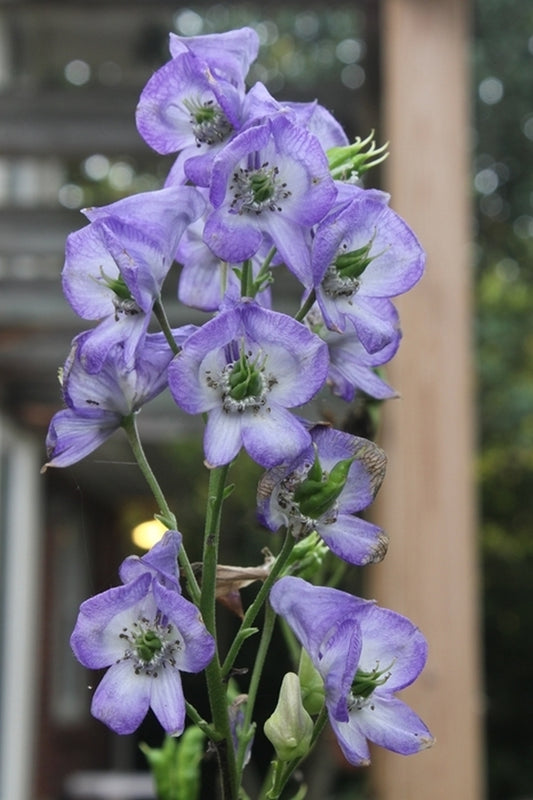
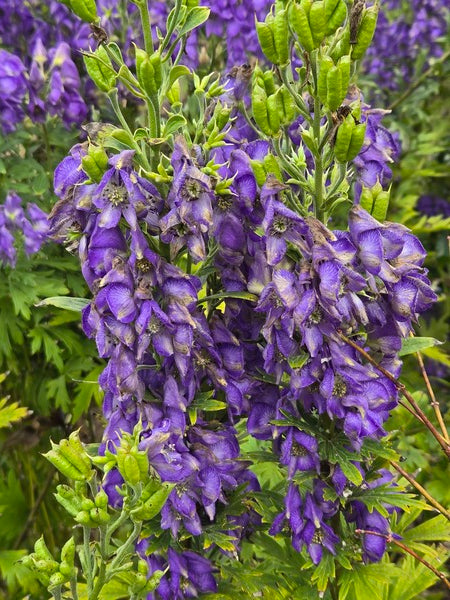
Aconitum carmichaelii 'Autumn Indigo'
Item #: 6999
Zones: 3a to 8b
Dormancy: Winter
Height: 60" tall
Culture: Sun to Light Shade
Origin: China
Pot Size: 3.5" pot (24 fl. oz/0.7 L)
Regular price $24.00Regular priceUnit price per -
Aconitum superbum 'Kupres'
Item #: 18011
Zones: 3a to 7b
Dormancy: Winter
Height: 48" tall
Culture: Sun to Light Shade
Origin: Bosnia
Pot Size: 3.5" pot (24 fl. oz/0.7 L)
Regular price $25.00Regular priceUnit price per -
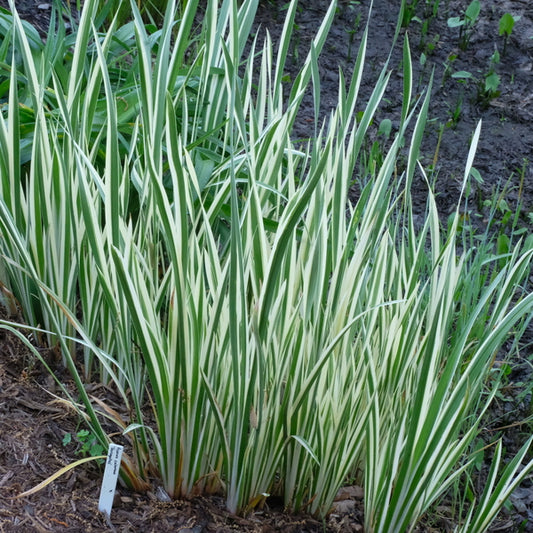
Acorus calamus 'Argenteostriatus'
Item #: 767
Zones: 4a to 9b
Dormancy: Winter
Height: 36" tall
Culture: Sun to Part Sun
Origin: Europe
Pot Size: 3.5" pot (24 fl. oz/0.7 L)
Regular price $24.00Regular priceUnit price per -
Acorus gramineus 'Ogon'
Item #: 369
Zones: 5a to 9b
Dormancy: Evergreen
Height: 12" tall
Culture: Part Sun to Light Shade
Origin: China, Japan
Pot Size: 3.5" pot (24 fl. oz/0.7 L)
Regular price $22.00Regular priceUnit price per -
Actaea cordifolia
Item #: 8148
Zones: 4a to 8b
Dormancy: Winter
Height: 48" tall
Culture: Part Sun to Light Shade
Origin: United States
Pot Size: 3.5" pot (24 fl. oz/0.7 L)
Regular price $24.00Regular priceUnit price per -
Actaea japonica var. japonica 'Silver Blush'
Item #: 3826
Zones: 5a to 8a, at least
Dormancy: Winter
Height: 30" tall
Culture: Part Sun to Light Shade
Origin: China, Japan, Korea
Pot Size: 3.5" pot (24 fl. oz/0.7 L)
Regular price $24.00Regular priceUnit price per -
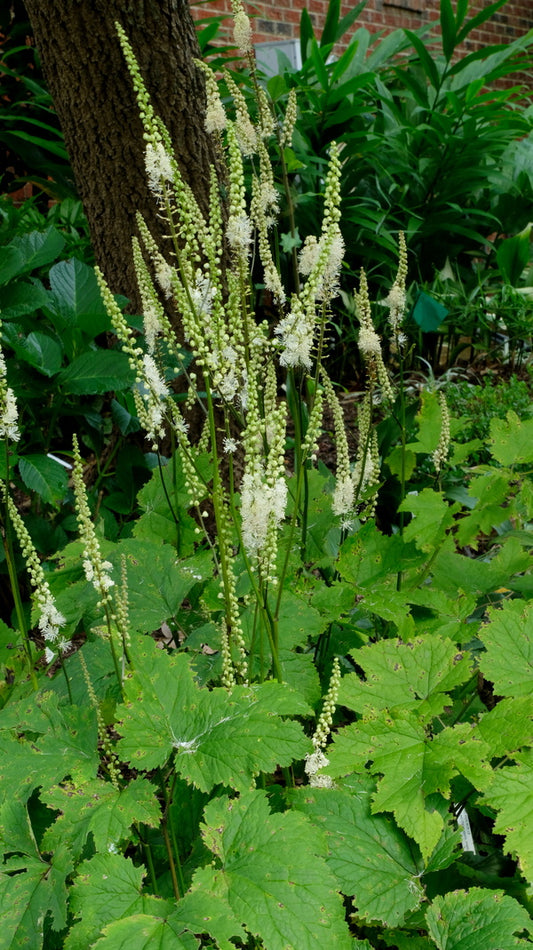
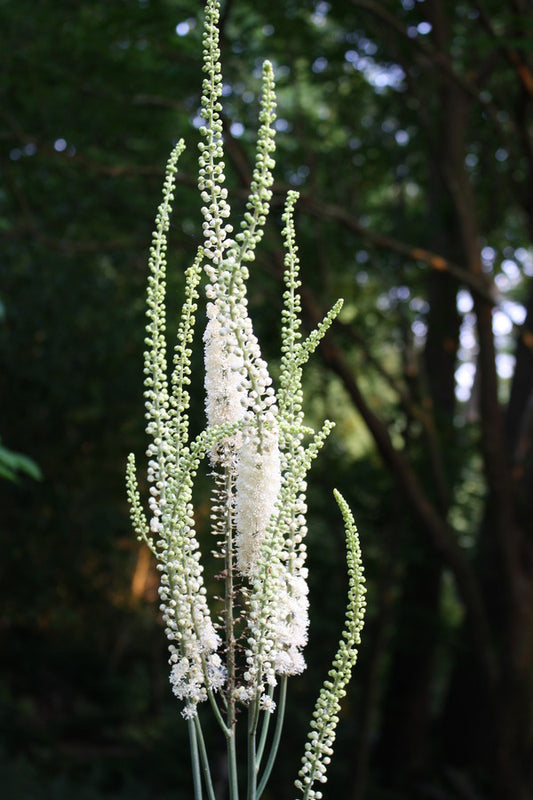
Actaea racemosa
Item #: 8147
Zones: 3a to 8b
Dormancy: Winter
Height: 60" tall
Culture: Part Sun to Light Shade
Origin: United States
Pot Size: 3.5" pot (24 fl. oz/0.7 L)
Regular price $24.00Regular priceUnit price per
-
Adiantum aleuticum 'Imbricatum'
Item #: 9827
Zones: 3a to 8b
Dormancy: Winter
Height: 10" tall
Culture: Part Sun to Light Shade
Origin: United States
Pot Size: 3.5" pot (24 fl. oz/0.7 L)
Regular price $23.00Regular priceUnit price per -
 Sold out
Adiantum hispidulum 'Mt. Haleakala'
Item #: 5934
Zones: 7b to 10b
Dormancy: Evergreen
Height: 12" tall
Culture: Part Sun to Light Shade
Origin: United States
Pot Size: 3.5" pot (24 fl. oz/0.7 L)
Regular price $23.00Regular priceUnit price per -
Adiantum x mairisii
Item #: 4799
Zones: 6a to 9b
Dormancy: Winter
Height: 20" tall
Culture: Part Sun to Light Shade
Origin: Hybrid
Pot Size: 3.5" pot (24 fl. oz/0.7 L)
Regular price $23.00Regular priceUnit price per -
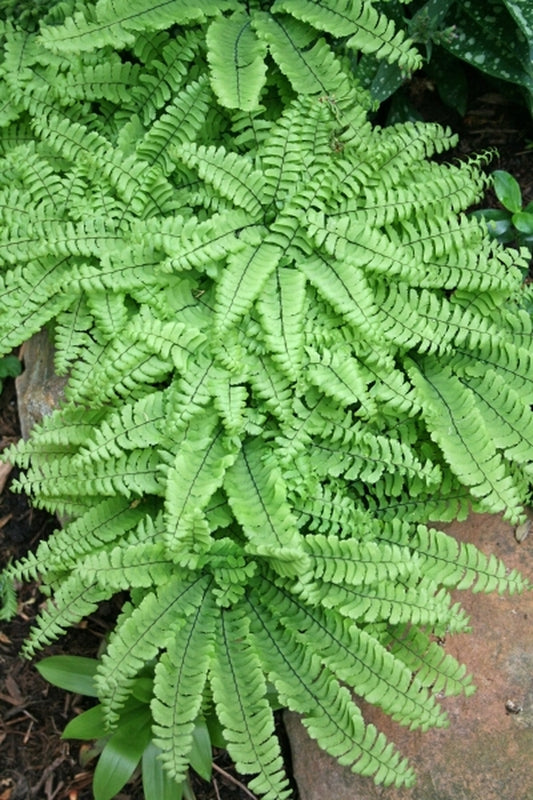
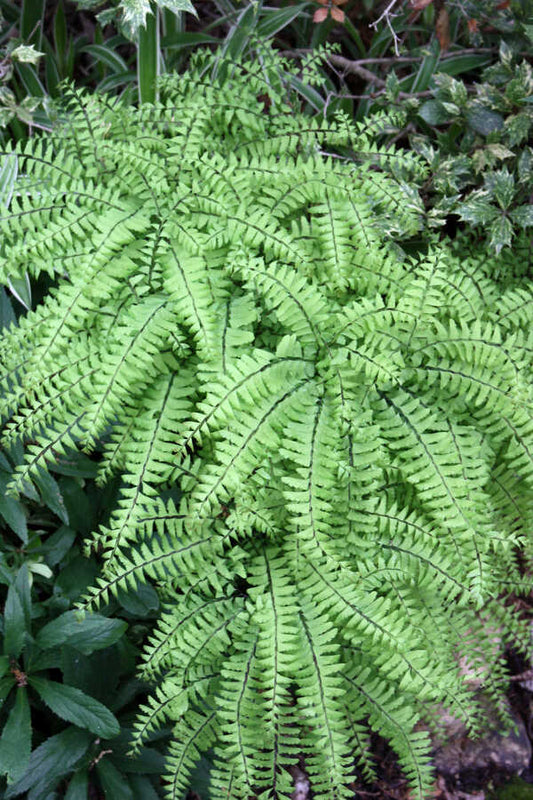
Adiantum pedatum
Item #: 320
Zones: 3a to 8b
Dormancy: Winter
Height: 24" tall
Culture: Part Sun to Light Shade
Origin: Canada, United States
Pot Size: 3.5" pot (24 fl. oz/0.7 L)
Regular price $23.00Regular priceUnit price per -
Adiantum venustum
Item #: 3658
Zones: 4b to 8a
Dormancy: Evergreen
Height: 6" tall
Culture: Part Sun to Light Shade
Origin: China
Pot Size: 3.5" pot (24 fl. oz/0.7 L)
Regular price $23.00Regular priceUnit price per -
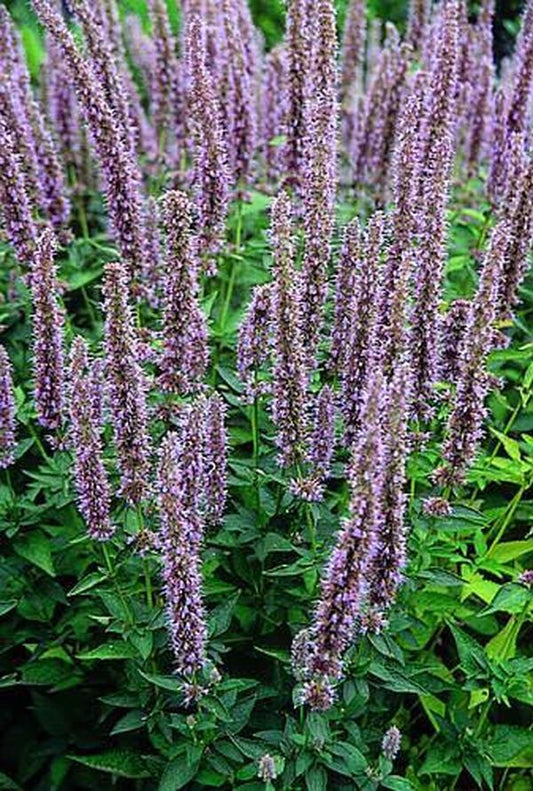
Agastache 'Beelicious Purple' PP 30,614
Item #: 18764
Zones: 6a to 8b, guessing
Dormancy: Winter
Height: 36" tall
Culture: Sun
Origin: Hybrid
Pot Size: 3.5" pot (24 fl. oz/0.7 L)
Regular price $21.00Regular priceUnit price per -
Agastache 'Blue Fortune'
Item #: 3209
Zones: 3a to 9b
Dormancy: Winter
Height: 36" tall
Culture: Sun
Origin: United States Hybrid
Pot Size: 3.5" pot (24 fl. oz/0.7 L)
Regular price $21.00Regular priceUnit price per -
Agastache 'Peachie Keen' PP 25,886
Item #: 10635
Zones: 5a to 8b
Dormancy: Winter
Height: 24" tall
Culture: Sun
Origin: United States Hybrid
Pot Size: 3.5" pot (24 fl. oz/0.7 L)
Regular price $21.00Regular priceUnit price per










More Information About Deer Resistant Plants
Our list of deer proof plants (mainly perennials) is based on our own experiences and compiled from print and online garden plant sources around the country, but we cannot guarantee that your deer will comply with these rules. Keep in mind that deer are like people at a buffet, each has a different palette. And of course, deer don't read online lists of deer resistant flowers so bucks and does do not know which plants deer won't eat.
Deer will eat, or at least nibble on anything in the perennial garden (including the normally deer-resistant ferns and ornamental grasses) if they are hungry enough. However, a garden composed of deer proof flowers, ferns, and ornamental grass plants will have greatly reduced or insignificant damage.
Deer browse is worse if you use chemical fertilizers and force lush new plant growth, so stick to organic fertilizers. We recommend black deer netting as the only sure deer repellent for your plants (www.bennersgardens.com). Whether you are looking for deer proof perennials for shade or sun, we have a nice selection for you to choose from. Our deer tolerant plants can save you from lots of headaches in the garden.
Top 5 Deer Resistant Plants for Shade
Here are 5 of our favorite deer resistant perennials for shade. See our fern list below for deer resistant options for your woodland garden.
- Amorphophallus
- Aspidistra
- Helleborus
- Illicium
- Ruscus
Top 5 Deer Resistant Plants for Sun
If you have a sunny spot that deer love, here a some of the most popular deer resistant perennials for sun.
- Agave
- Allium
- Brugmansia
- Colocasia
- Euphorbia
Deer Resistant Ferns
We are often asked "Do deer eat ferns?" and the answer in short is, yes... if they are hungry enough. The deer resistant ferns below offer the best chances on discouraging deer from foraging in your perennial garden.
-
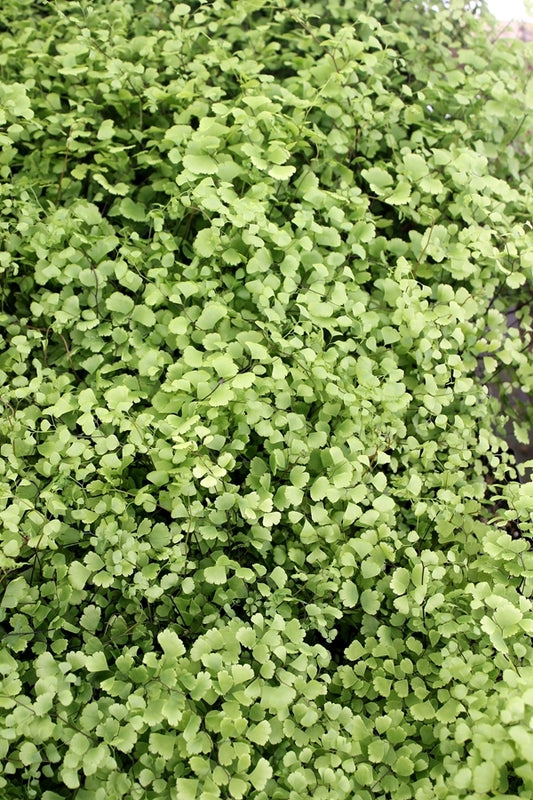
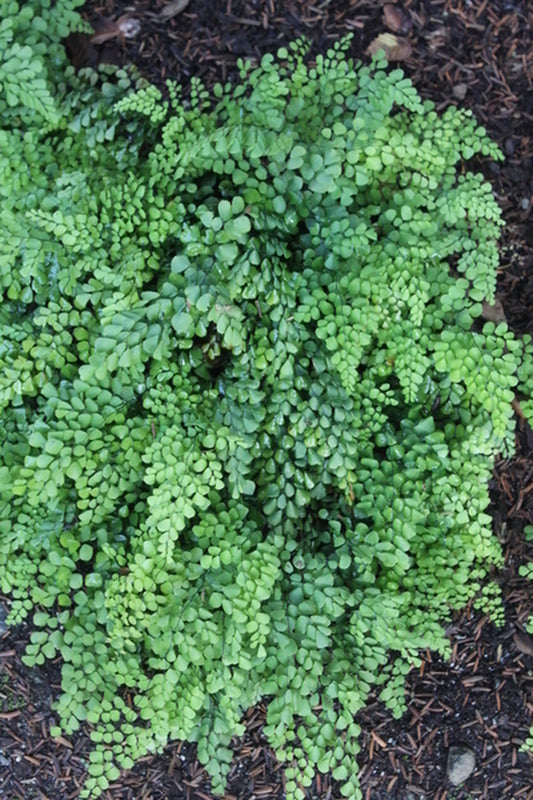
Adiantum (Maidenhair Fern)
-
Arachniodes (Spider Fern)
-
Athyrium (Japanese Painted Fern)
-
Cyrtomium (Holly Fern)
-
Cystopteris (Bladder Fern)
-
Dryopteris (Autumn Fern)
-
Matteuccia (Ostrich Fern)
-
Onoclea (Sensitive Fern)
-
Onychium (Cat's Claw Fern)
-
Polystichum (Christmas Fern)
-
Pteris (Table Fern)
-
Thelypteris (Maiden Fern)
Be sure to read our article Deer Deer - We're Closed for Dinner which goes into more detail on plants that deer will typically not eat.