
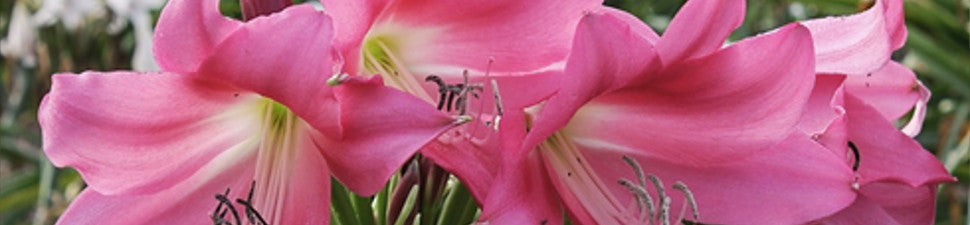
Many gardeners are becoming increasingly aware of the wide variety of summer and fall bulbs, corms, tubers, and tuberous rooted flowering perennial plants such as agapanthus, allium, cannas, and lycoris. Plants with these underground storage organs are collectively referred to as geophytes.
-
Achimenes 'Harry Williams'
Item #: 6169
Zones: 7b to 10b
Dormancy: Winter, Spring
Height: 12" tall
Culture: Part Sun to Light Shade
Origin: Hybrid
Pot Size: 3.5" pot (24 fl. oz/0.7 L)
Regular price $22.00Regular priceUnit price per -
 Sold out
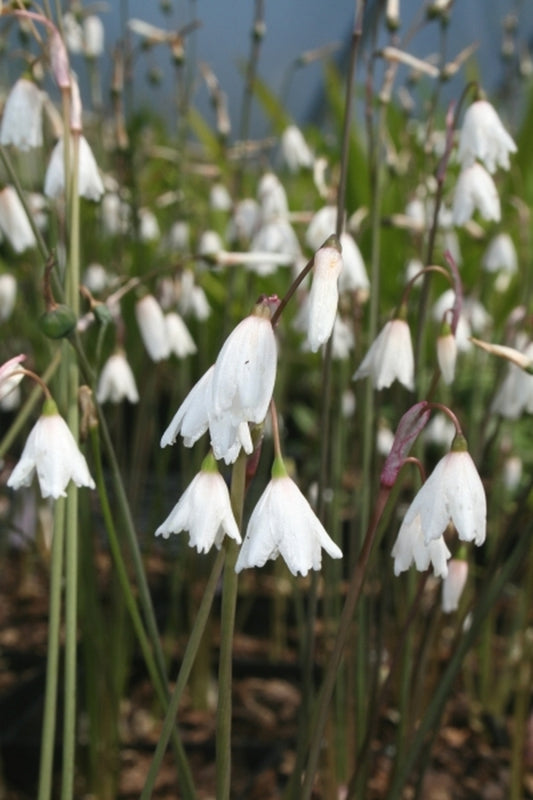
Acis autumnalis 'September Snow'
Item #: 8031
Zones: 6a to 9b, possibly colder
Dormancy: Summer
Height: 8" tall
Culture: Sun to Light Shade
Origin: Mediterranean Europe
Pot Size: 3.5" pot (24 fl. oz/0.7 L)
Regular price $21.00Regular priceUnit price per -
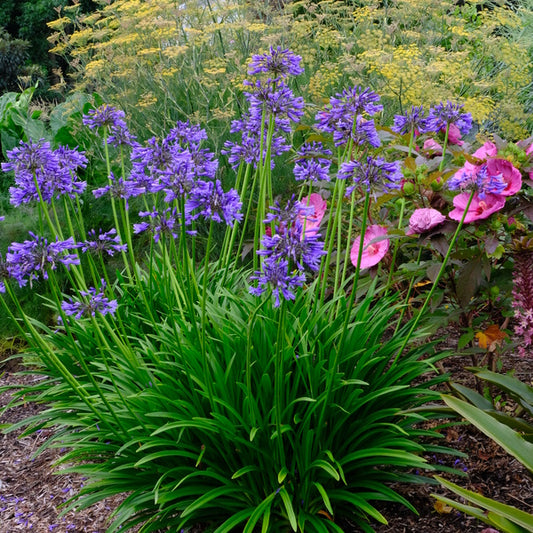
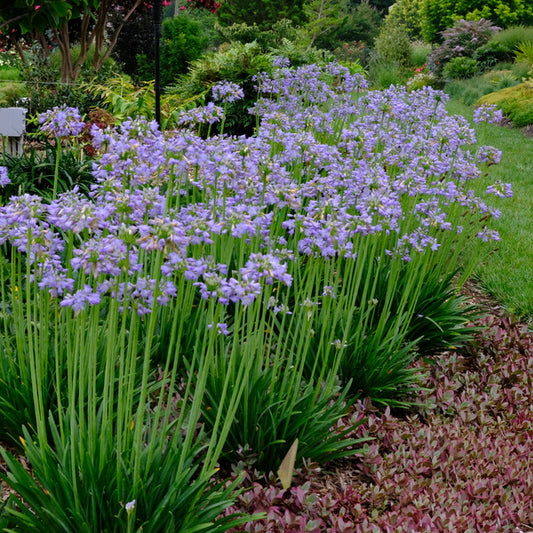
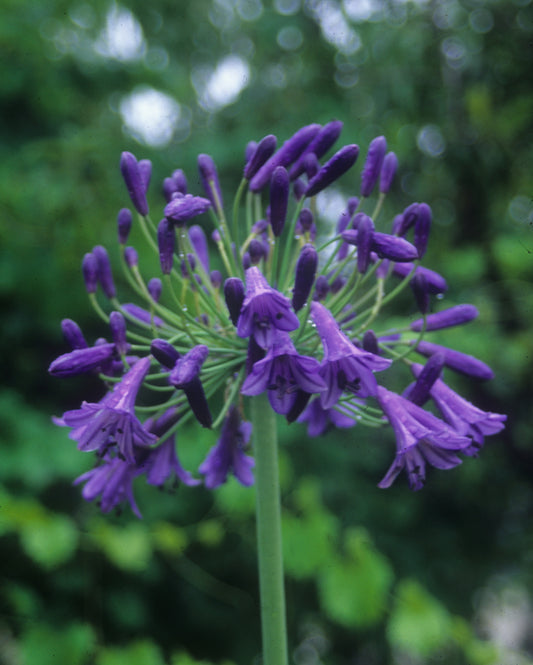
Agapanthus 'Ever Amethyst' PP 30,163
Item #: 17902
Zones: 7b to 10b, at least
Dormancy: Winter
Height: 24" tall
Culture: Sun to Part Sun
Origin: Hybrid
Pot Size: 3.5" pot (24 fl. oz/0.7 L)
Regular price $28.00Regular priceUnit price per -
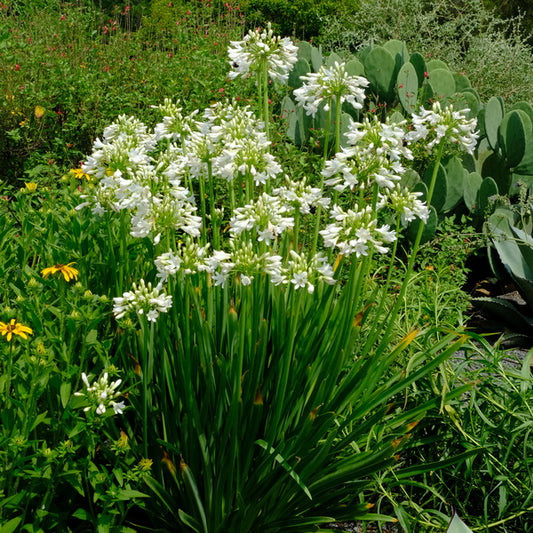
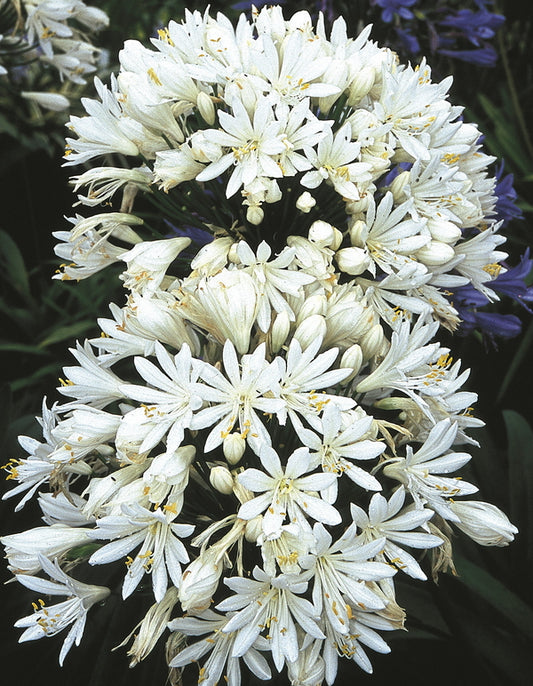
Agapanthus 'Galaxy White' PP 31,431
Item #: 17107
Zones: 6a to 10b
Dormancy: Winter
Height: 36" tall
Culture: Sun to Part Sun
Origin: Hybrid
Pot Size: 3.5" pot (24 fl. oz/0.7 L)
Regular price $22.40Regular priceUnit price per$28.00Sale price $22.40Sale -
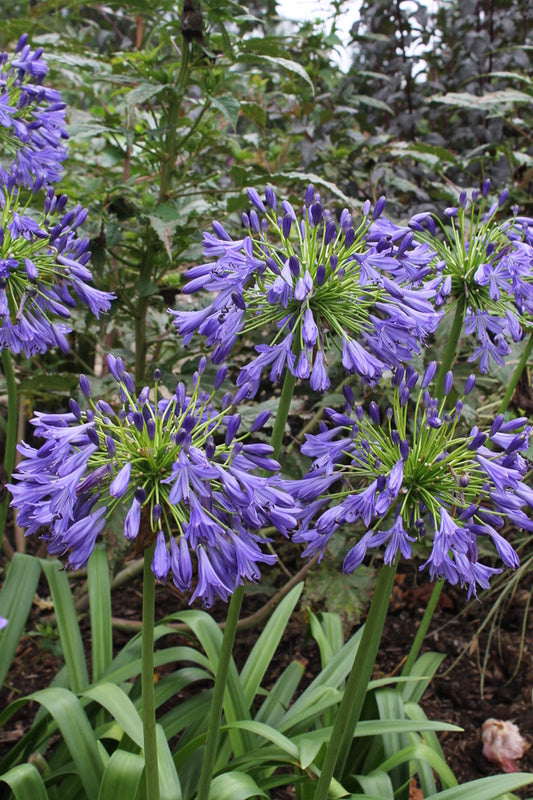
Agapanthus 'Navy Blue'
Item #: 12996
Zones: 6a to 10b
Dormancy: Winter
Height: 48" tall
Culture: Sun to Part Sun
Origin: Hybrid
Pot Size: 3.5" pot (24 fl. oz/0.7 L)
Regular price $28.00Regular priceUnit price per -
Agapanthus 'Prolific Blue'
Item #: 12997
Zones: 6a to 10b, at least
Dormancy: Winter
Height: 30" tall
Culture: Sun to Part Sun
Origin: Hybrid
Pot Size: 3.5" pot (24 fl. oz/0.7 L)
Regular price $28.00Regular priceUnit price per -
Agapanthus 'Stevie's Wonder'
Item #: 8250
Zones: 7b to 10b, at least
Dormancy: Winter
Height: 36" tall
Culture: Sun to Part Sun
Origin: Hybrid
Pot Size: 3.5" pot (24 fl. oz/0.7 L)
Regular price $28.00Regular priceUnit price per -
Agapanthus 'Storm Cloud'
Item #: 1342
Zones: 7b to 10b, at least
Dormancy: Winter
Height: 48" tall
Culture: Sun to Part Sun
Origin: Hybrid
Pot Size: 3.5" pot (24 fl. oz/0.7 L)
Regular price $29.00Regular priceUnit price per -
 Sold out
Agapanthus 'Twister' PP 25,519
Item #: 13692
Zones: 7b to 10b, at least
Dormancy: Winter
Height: 48" tall
Culture: Sun to Part Sun
Origin: Hybrid
Pot Size: 3.5" pot (24 fl. oz/0.7 L)
Regular price $28.00Regular priceUnit price per -
Agapanthus 'White Heaven'
Item #: 6390
Zones: 7b to 10b
Dormancy: Winter
Height: 30" tall
Culture: Sun to Part Sun
Origin: Hybrid
Pot Size: 3.5" pot (24 fl. oz/0.7 L)
Regular price $29.00Regular priceUnit price per -
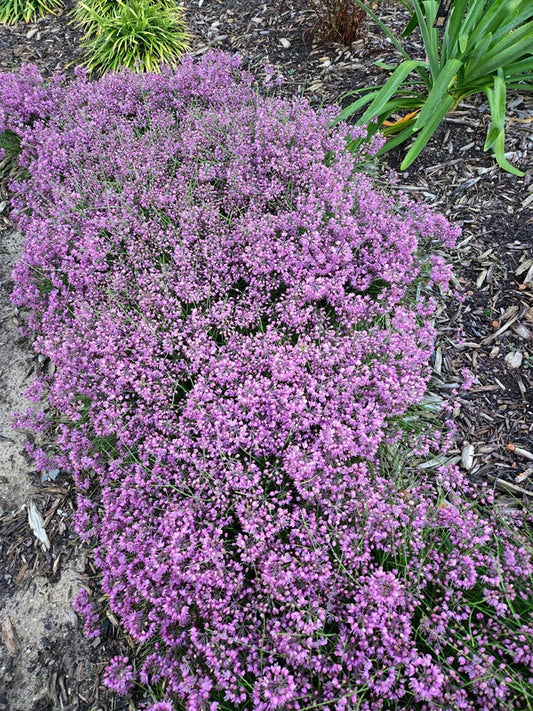
Allium kiiense
Item #: 3352
Zones: 5a to 9b, at least
Dormancy: Evergreen
Height: 6" tall
Culture: Sun to Part Sun
Origin: Japan
Pot Size: 3.5" pot (24 fl. oz/0.7 L)
Regular price $23.00Regular priceUnit price per
-
Allium 'Millenium'
Item #: 5466
Zones: 5a to 8b, at least
Dormancy: Winter
Height: 12" tall
Culture: Sun
Origin: Hybrid
Pot Size: 3.5" pot (24 fl. oz/0.7 L)
Regular price $21.00Regular priceUnit price per -
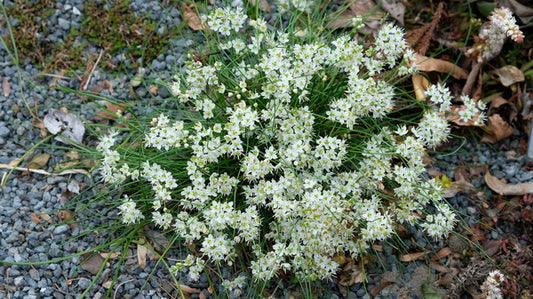
Allium virgunculae 'Alba'
Item #: 17293
Zones: 5a to 9b, at least
Dormancy: Evergreen
Height: 8" tall
Culture: Sun to Part Sun
Origin: Japan
Pot Size: 3.5" pot (24 fl. oz/0.7 L)
Regular price $19.20Regular priceUnit price per$24.00Sale price $19.20
Sale -
Alocasia cucullata 'Moon Landing'
Item #: 16768
Zones: 9a to 10b
Dormancy: Winter
Height: 20" tall
Culture: Part Sun to Light Shade
Origin: Burma/Myanmar, India
Pot Size: 3.5" pot (24 fl. oz/0.7 L)
Regular price $35.00Regular priceUnit price per -
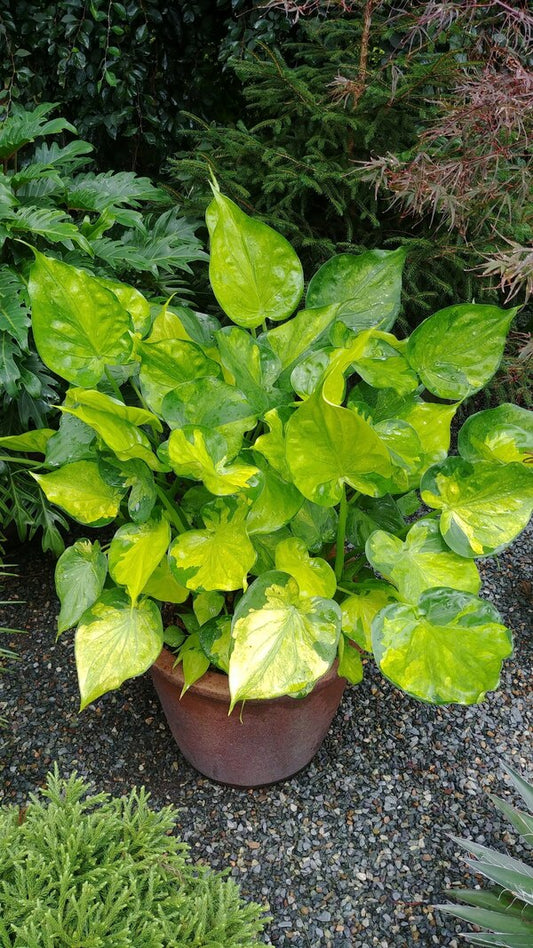
Alocasia cucullata 'Yellow Tail'
Item #: 7588
Zones: 7b to 10b
Dormancy: Winter
Height: 36" tall
Culture: Sun to Part Sun
Origin: Burma/Myanmar, India
Pot Size: 3.5" pot (24 fl. oz/0.7 L)
Regular price $29.00Regular priceUnit price per -
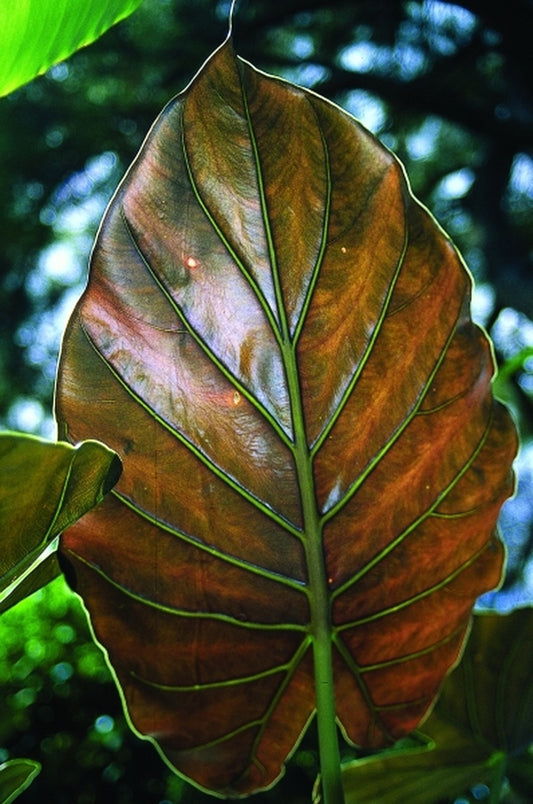
Alocasia 'Dark Star' PP 29,870
Item #: 15718
Zones: 7b to 10b
Dormancy: Winter
Height: 72" tall
Culture: Sun to Part Sun
Origin: Hybrid
Pot Size: 2 qt. (1.9 L)
Regular price $29.00Regular priceUnit price per -
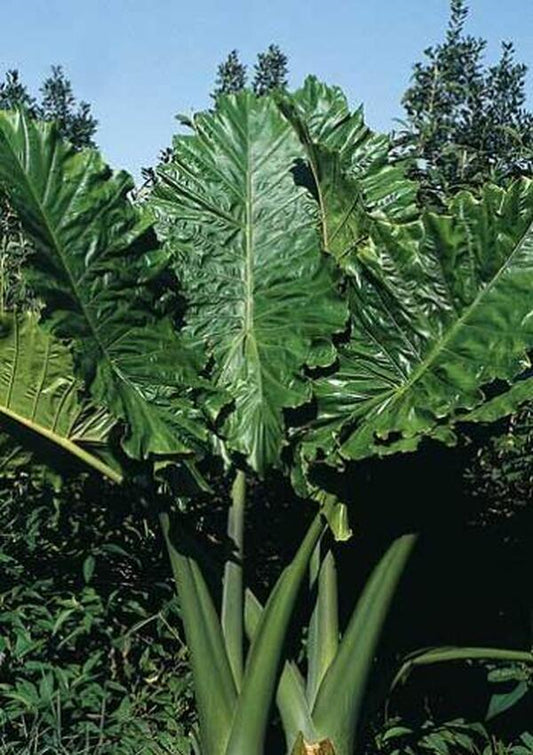
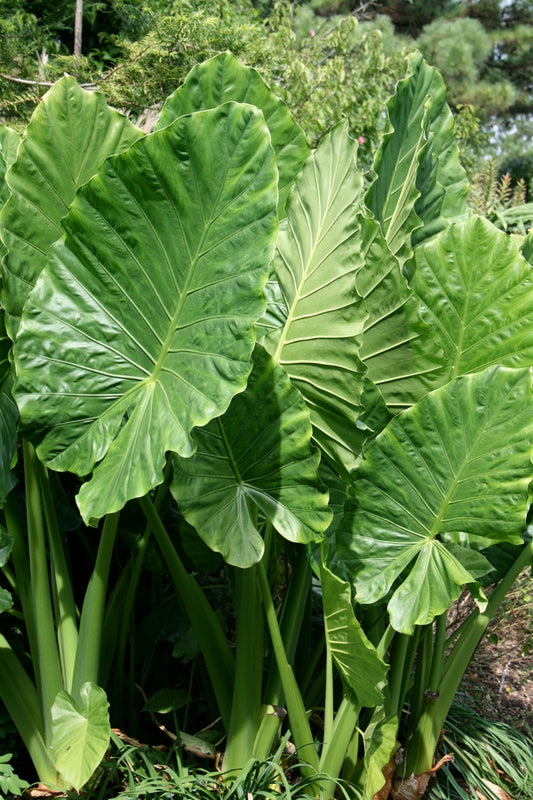
Alocasia macrorrhizos
Item #: 1160
Zones: 7b to 10b
Dormancy: Winter
Height: 72" tall
Culture: Sun to Light Shade
Origin: India
Pot Size: 3.5" pot (24 fl. oz/0.7 L)
Regular price $29.00Regular priceUnit price per -
 Sold out
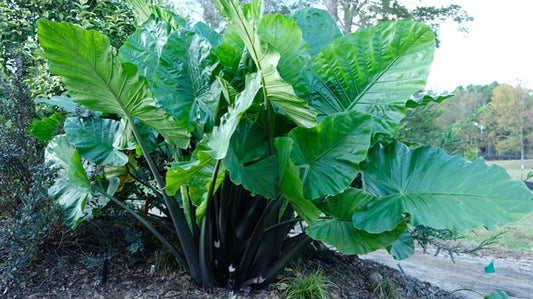
Alocasia 'Portodora'
Item #: 3654
Zones: 7b to 10b
Dormancy: Winter
Height: 96" tall
Culture: Sun to Part Sun
Origin: Hybrid
Pot Size: 2 qt. (1.9 L)
Regular price $29.00Regular priceUnit price per -
Alocasia wentii
Item #: 2967
Zones: 7b to 10b
Dormancy: Winter
Height: 36" tall
Culture: Part Sun to Light Shade
Origin: New Guinea
Pot Size: 3.5" pot (24 fl. oz/0.7 L)
Regular price $24.00Regular priceUnit price per -
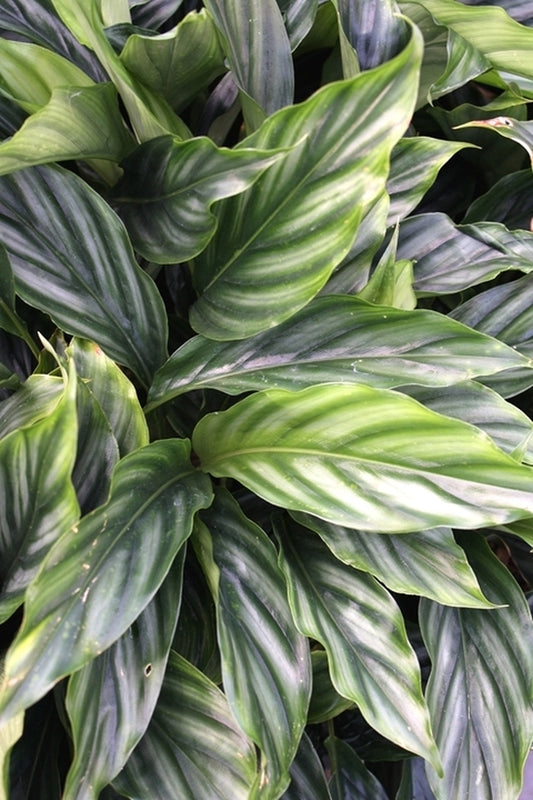
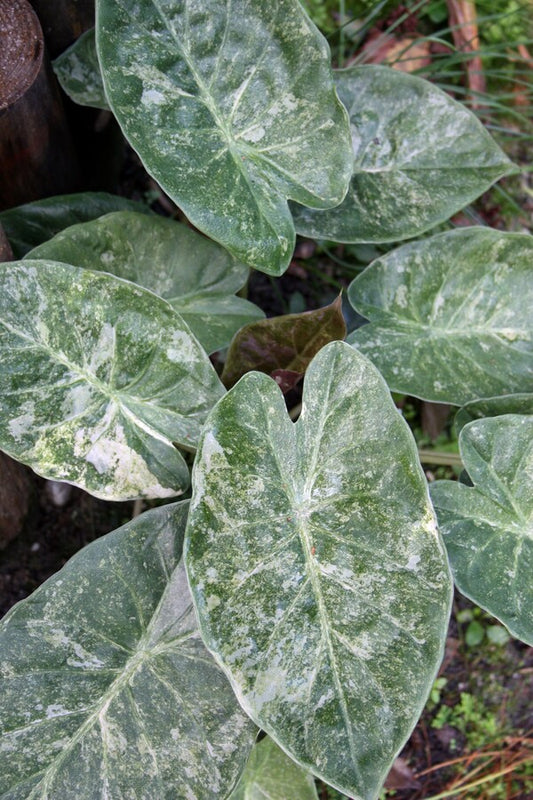
Alocasia wentii 'Vintage Silver'
Item #: 13698
Zones: 8b to 10b, at least
Dormancy: Winter
Height: 36" tall
Culture: Part Sun to Light Shade
Origin: New Guinea
Pot Size: 3.5" pot (24 fl. oz/0.7 L)
Regular price $25.60Regular priceUnit price per$32.00Sale price $25.60Sale -
 Sold out
Alpinia pumila
Item #: 8542
Zones: 7b to 10b
Dormancy: Winter
Height: 6" tall
Culture: Light Shade to Shade
Origin: China
Pot Size: 3.5" pot (24 fl. oz/0.7 L)
Regular price $28.00Regular priceUnit price per -
 Sold out
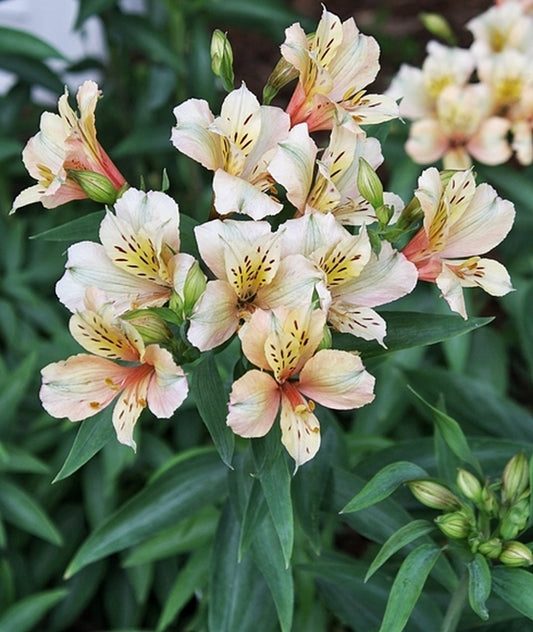
Alstroemeria 'Koice'
Item #: 9113
Zones: 6a to 9b
Dormancy: Winter
Height: 40" tall
Culture: Sun to Part Sun
Origin: Hybrid
Pot Size: 3.5" pot (24 fl. oz/0.7 L)
Regular price $29.00Regular priceUnit price per -
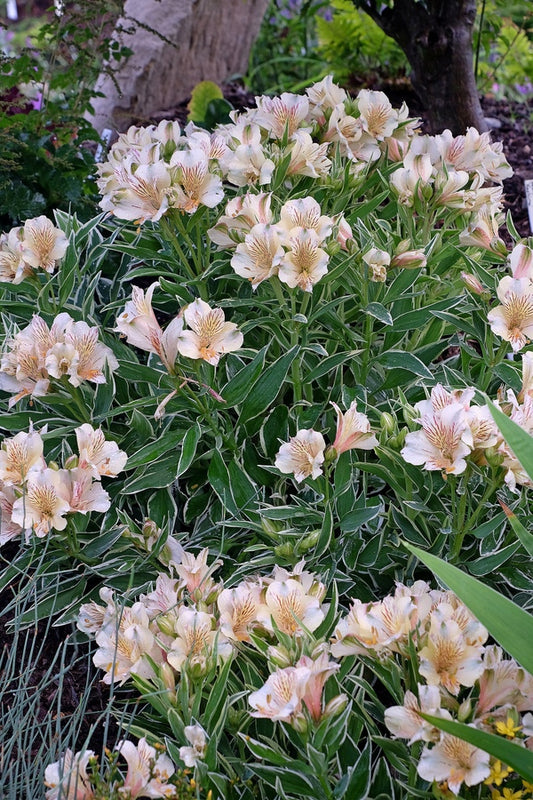
Alstroemeria 'Princess Fabiana'
Item #: 9555
Zones: 6a to 8b, at least
Dormancy: Winter
Height: 10" tall
Culture: Sun to Part Sun
Origin: Hybrid
Pot Size: 3.5" pot (24 fl. oz/0.7 L)
Regular price $29.00Regular priceUnit price per -
 Sold out
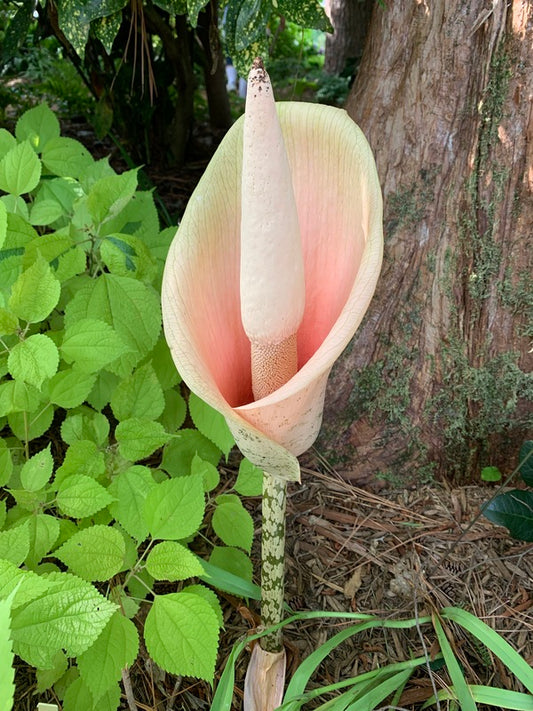
Amorphophallus bulbifer 'Old Warty'
Item #: 7890
Zones: 7b to 10b, at least
Dormancy: Winter, Spring
Height: 48" tall
Culture: Part Sun to Light Shade
Origin: Burma/Myanmar, India
Pot Size: Bare Root / 3.5" pot (24 fl. oz/0.7 L)
Regular price $29.00Regular priceUnit price per













More Information About Corms - Bulbs - Tubers
Canna, Hedychium, Agapanthus, Crinum, Lycoris, Zephyranthes, Cyclamen, Habranthus, Allium, Sprekelia, Hippeastrealia, Amarcrinum, Dahlia, Oxalis and many more bulbs for the perennial garden reach far beyond the golden trumpets of daffodils so familiar in spring. Many gardeners are becoming increasingly aware of the wide variety of summer and fall bulbs, corms, tubers, and tuberous rooted flowering perennial plants such as agapanthus, allium, cannas, crinum, lycoris and hedychium.
When you buy bulbs you bring joy and surprise with new plants seeming to leap out of nowhere to display an amazing flower. Some of the most exotic, rarest and hardest to find new plants that we sell are bulbs. We scour the world and find the coolest exotic bulbs from far off places like China, Japan, and South Africa but also bring you rare and esoteric North American native geophytes. We offer some of the worlds largest collections of eucomis (pineapple lilies), zephyranthes and habranthus (rain lilies), crinum (crinum lilies), lycoris (surprise or hurricane lilies), hedychium (ginger lilies), and hymenocallis (spider lilies). Not only are we plant nuts ourselves, but we are fortunate to work with breeders and plant specialists around the world to bring you some of the rarest and most wonderful geophytes.