

Hostas are a genus of plants that seemingly everyone wants to grow... even those who don't live in a good climate for them to thrive. As a general rule, Hostas prefer climates with cold winters and warm summers. For gardeners in southern climates of Zone 9-10, picking the right Hosta can be a daunting task. 
Hosta plantaginea
Most Hostas must have a minimum winter dormancy requirement of 30 days at temperatures below 43 degrees F. In warmer southern regions, the Hostas that perform their best are those that have lower than normal winter dormancy requirements. The required winter dormancy for a Hosta is genetic and is based on the part of the world where the species involved in a particular hybrid originated (warm climate versus cold). The Hosta species which have evolved in the warmest climates and therefore have the lowest chill requirements include Hosta clausa, Hosta gracillima, Hosta kikutii, Hosta longipes, Hosta montana (southern forms), Hosta nakaiana, Hosta plantaginea, Hosta rupifraga, Hosta sieboldii,Hosta ventricosa, Hosta venusta, and Hosta yingeri. While all Hostas will emerge the following spring after a low-chill winter, they are usually quite weak and proceed to deteriorate during the subsequent season.
The easiest way to determine the dormancy requirements is to observe which Hostas emerge the earliest in spring. There is generally a 75 day emergence date spread between Hosta cultivars in spring. Below is a list of those that emerge extremely early and would make good candidates for trialing in warm climates where there is little or no winter chilling.
Beside each cultivar name are the low-chill species (where known) from which they are derived.
Heat Tolerant Hostas with Variegated Foliage
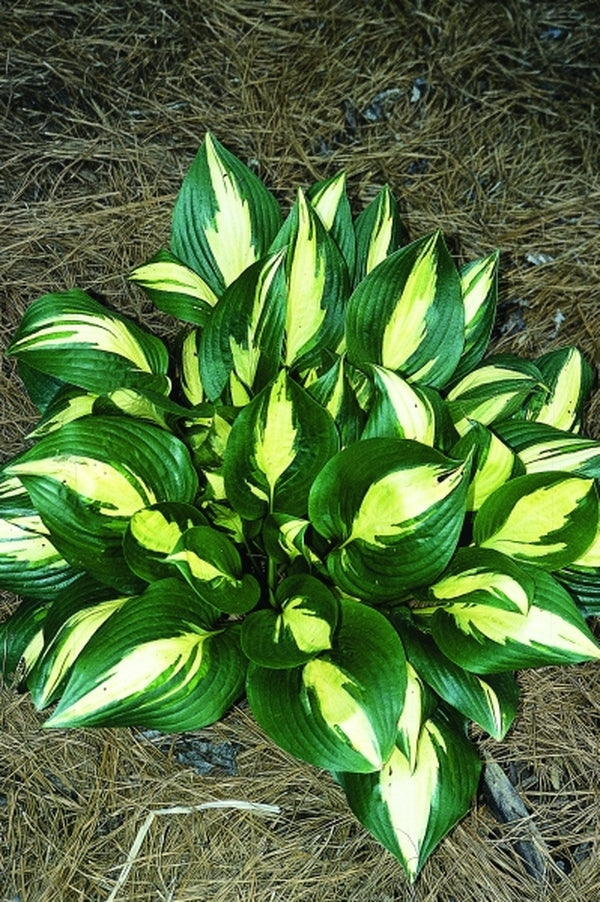
'American Sweetheart' (unknown)
'Anne Arett' (Hosta sieboldii)
'Bob Olson' (unknown)
'Carolina Sunshine' (Hosta tibae)
'Cathedral Windows' (Hosta plantaginea)
'Cherish' (Hosta venusta)
'Chickadee' (Hosta plantaginea)
'Crested Surf' (Hosta sieboldii)
'Diamond Tiara' (Hosta nakaiana)
'Diana Remembered' (Hosta plantaginea)
'Dixie Chick' (Hosta plantaginea)
'Ebb Tide' (Hosta montana)
'Emerald Tiara' (Hosta nakaiana)
'Emily Dickinson' (Hosta plantaginea)
'Fan Dance' (Hosta sieboldii)
'Fatal Attraction' (Hosta kikutii)
'Fragrant Bouquet' (Hosta plantaginea)
'Gala' (Hosta longipes)
'Golden Tiara' (Hosta nakaiana)
'Grand Prize' (Hosta nakaiana)
'Grand Tiara' (Hosta nakaiana)
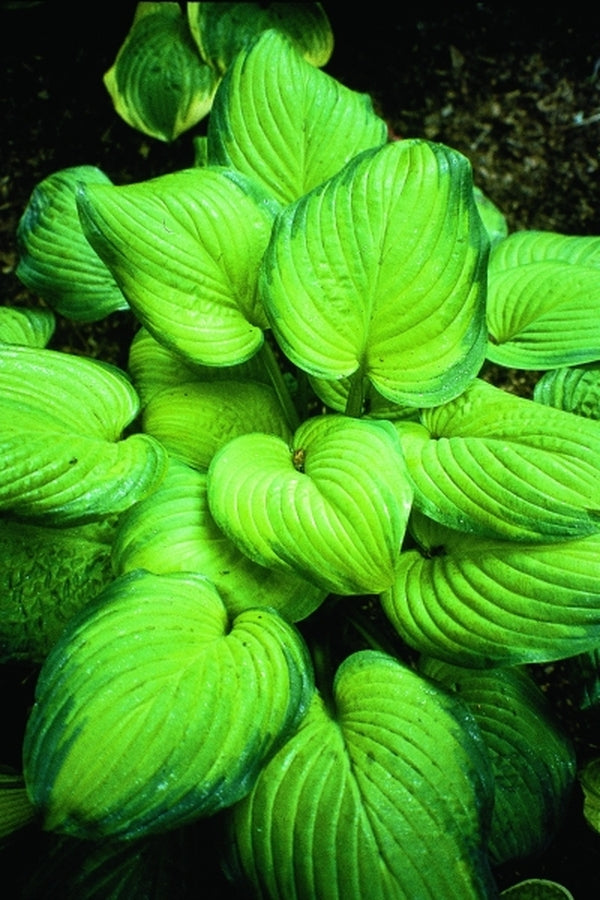
Hosta 'Guacamole'
'Harpoon' (Hosta yingeri)
'Holy Mole' (Hosta plantaginea)
'Iron Gate Delight' (Hosta plantaginea)
kikutii 'Kifukurin' (Hosta kikutii)
'Kifukurin Ko Mame' (unknown)
'Korean Snow' (Hosta yingeri)
'Masquerade' (Hosta gracillima)
'Ming Treasure' (Hosta plantaginea)
'Mistress Mabel' (Hosta plantaginea)
'Miss Saigon' (Hosta plantaginea)
montana 'Aureomarginata' (Hosta montana)
'Peedee Gold Flash' (Hosta sieboldii)
'Platinum Tiara' (Hosta nakaiana)
'Red Hot Flash' (Hosta sieboldii)
'Sea Thunder' (unknown)
'Scooter' (Hosta sieboldii)
'So Sweet' (Hosta plantaginea)

Hosta 'Stained Glass'
'Stiletto' (Hosta sieboldii)
'Sugar and Cream' (Hosta plantaginea, sieboldii)
'Summer Fragrance' (Hosta plantaginea, sieboldii)
'Sweetie' (Hosta plantaginea)
'Teeny Weeny Bikini' (unknown)
'Verna Jean' (Hosta sieboldii)
'Warwick Edge' (Hosta nakaiana)
'Waving Winds' (Hosta sieboldii)
'White Necklace' (unknown)
Heat Tolerant Hostas with Green Foliage
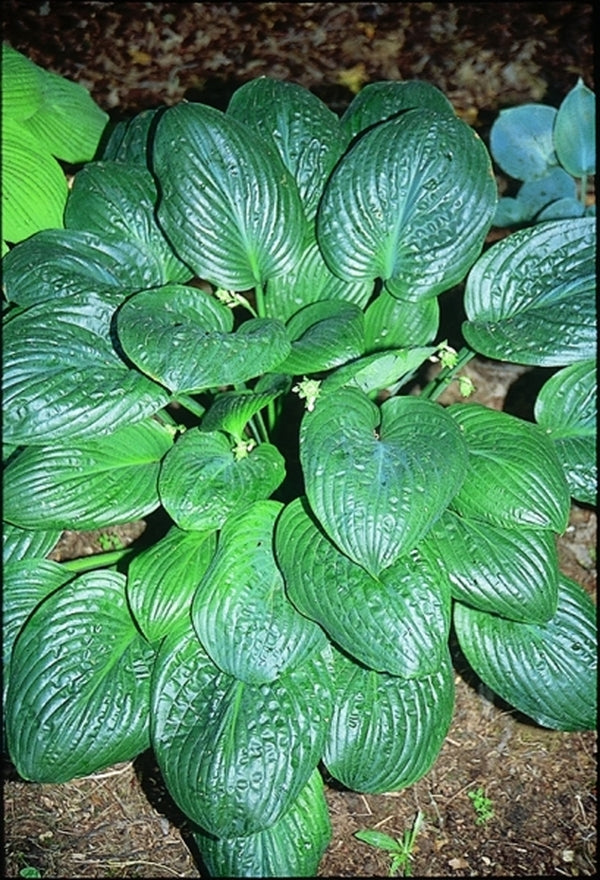
clausa (species)
'Crystal Chimes' (Hosta yingeri)
'Empress Wu'
'Fall Bouquet' (Hosta longipes)
'Fourth of July' (Hosta kikutii)
'Hirao Splendor' (Hosta kikutii)
'Honeybells' (Hosta plantaginea)
'Invincible' (Hosta plantaginea)
'Jade Cascade' (Hosta montana)
laevigata (species)
'Old Faithful' (Hosta plantaginea)
'Otome No Ka' (unknown)
pachyscapa (species)
'Purple Lady Fingers' (Hosta clausa)
pycnophylla (species)
'Potomac Pride' (Hosta yingeri)
'Raspberry Sorbet' (Hosta rupifraga)
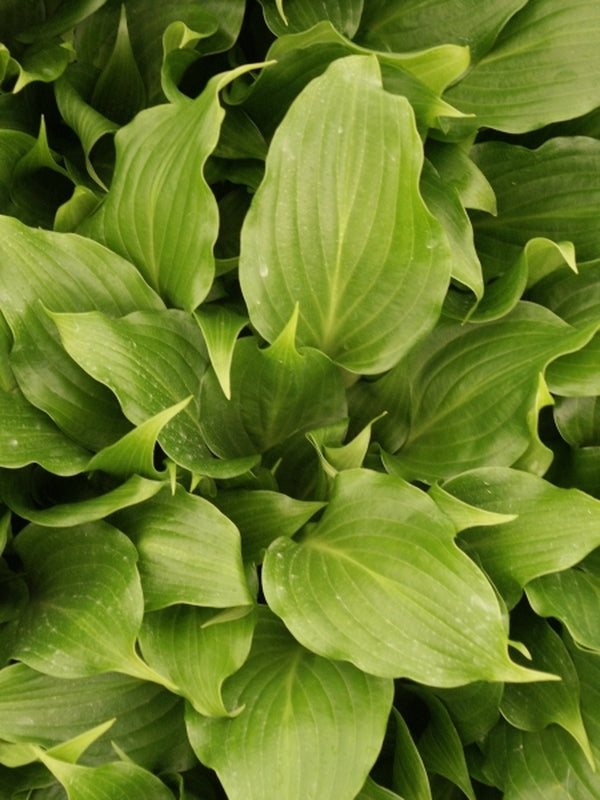
Hosta 'Raspberry Sorbet'
'Savannah' (Hosta plantaginea, sieboldii)
'Stingray'(Hosta kikutii, montana)
'Sweet Bo Peep' (Hosta plantaginea)
takahashii 'Gosan' (species)
'Teaspoon' (Hosta venusta)
tibae (species)
'Tortifrons' (Hosta longipes)
tsushimensis (species)
venusta (species)
'Waving Wuffles' (Hosta ventricosa)
yingeri (species)
Heat Tolerant Hostas with Gold Foliage
'Birchwood Parky's Gold' (Hosta nakaiana)
'Chartreuse Wiggles' (Hosta sieboldii)
'Fried Bananas' (Hosta plantaginea)
'Gold Scepter' (Hosta nakaiana)
longipes 'Golden Dwarf' (species) 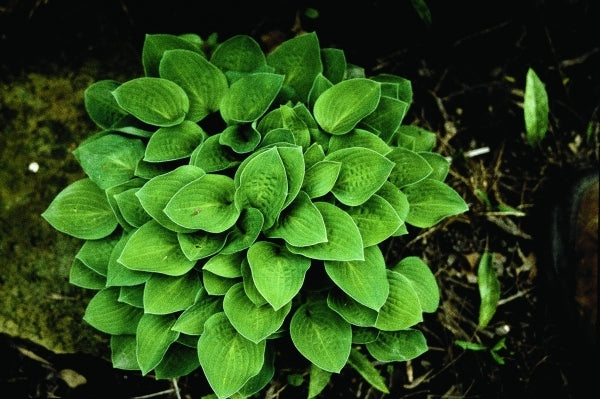
Hosta 'Baby Bunting'
Heat Tolerant Hostas with Blue Foliage
'Baby Bunting' (Hosta venusta)
'Blue Belle' (Hosta longipes)
'Blue Blush' (Hosta longipes)
'Silver Bowl' (unknown)
Check out all of our hostas for sale!