
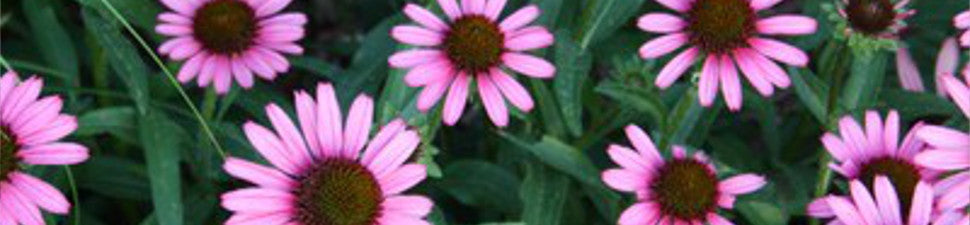
North American Native Plants are native to the U.S., Mexico or Canada. Since political boundaries aren't natural, these plants can usually be found on both sides of the border.
-
Achimenes 'Harry Williams'
Item #: 6169
Zones: 7b to 10b
Dormancy: Winter, Spring
Height: 12" tall
Culture: Part Sun to Light Shade
Origin: Hybrid
Pot Size: 3.5" pot (24 fl. oz/0.7 L)
Regular price $22.00Regular priceUnit price per -
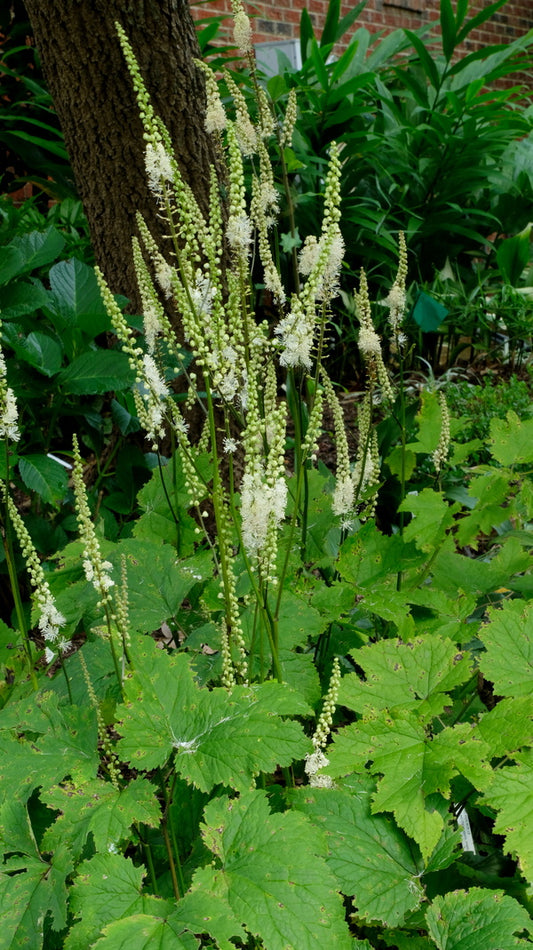
Actaea cordifolia
Item #: 8148
Zones: 4a to 8b
Dormancy: Winter
Height: 48" tall
Culture: Part Sun to Light Shade
Origin: United States
Pot Size: 3.5" pot (24 fl. oz/0.7 L)
Regular price $24.00Regular priceUnit price per -
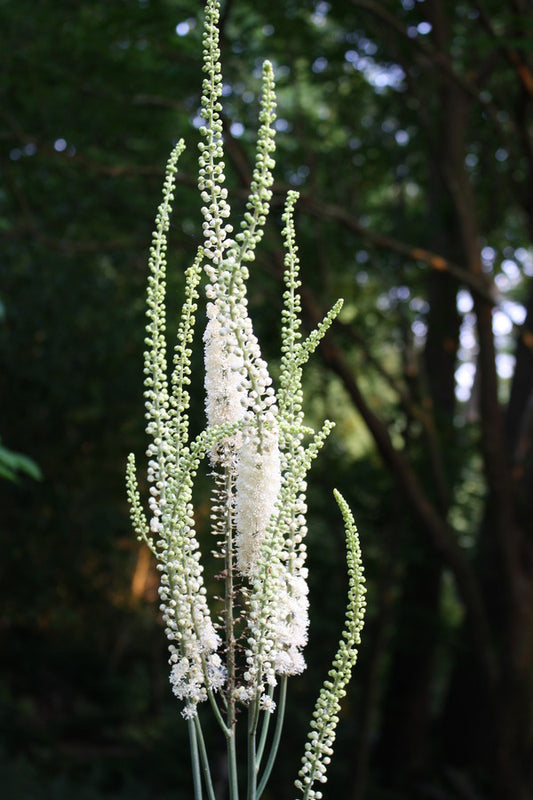
Actaea racemosa
Item #: 8147
Zones: 3a to 8b
Dormancy: Winter
Height: 60" tall
Culture: Part Sun to Light Shade
Origin: United States
Pot Size: 3.5" pot (24 fl. oz/0.7 L)
Regular price $24.00Regular priceUnit price per
-
Adiantum aleuticum 'Imbricatum'
Item #: 9827
Zones: 3a to 8b
Dormancy: Winter
Height: 10" tall
Culture: Part Sun to Light Shade
Origin: United States
Pot Size: 3.5" pot (24 fl. oz/0.7 L)
Regular price $23.00Regular priceUnit price per -
 Sold out
Adiantum hispidulum 'Mt. Haleakala'
Item #: 5934
Zones: 7b to 10b
Dormancy: Evergreen
Height: 12" tall
Culture: Part Sun to Light Shade
Origin: United States
Pot Size: 3.5" pot (24 fl. oz/0.7 L)
Regular price $23.00Regular priceUnit price per -
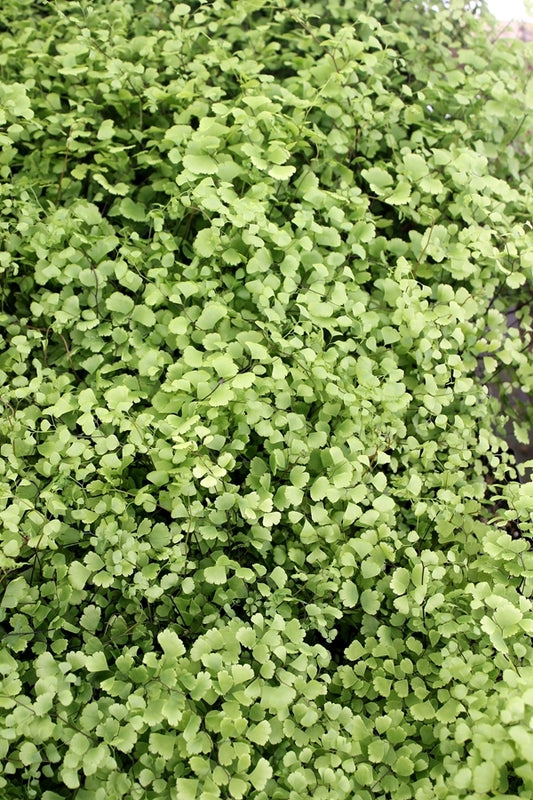
Adiantum x mairisii
Item #: 4799
Zones: 6a to 9b
Dormancy: Winter
Height: 20" tall
Culture: Part Sun to Light Shade
Origin: Hybrid
Pot Size: 3.5" pot (24 fl. oz/0.7 L)
Regular price $23.00Regular priceUnit price per -
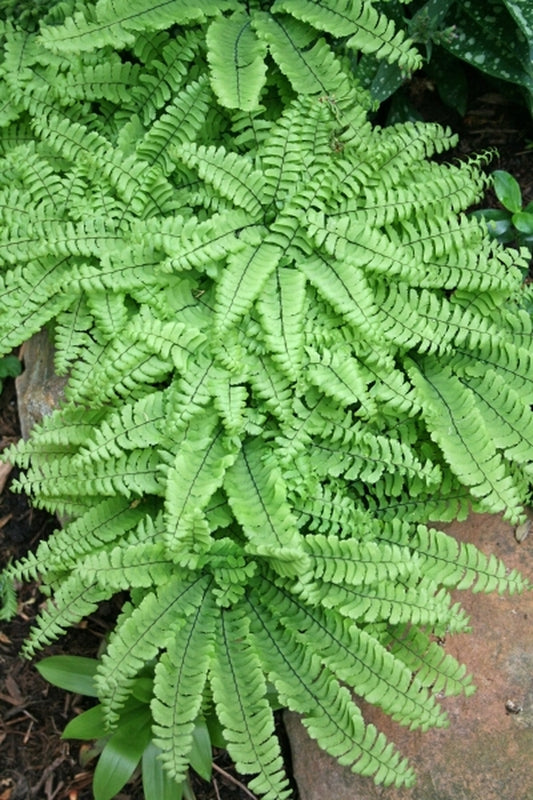
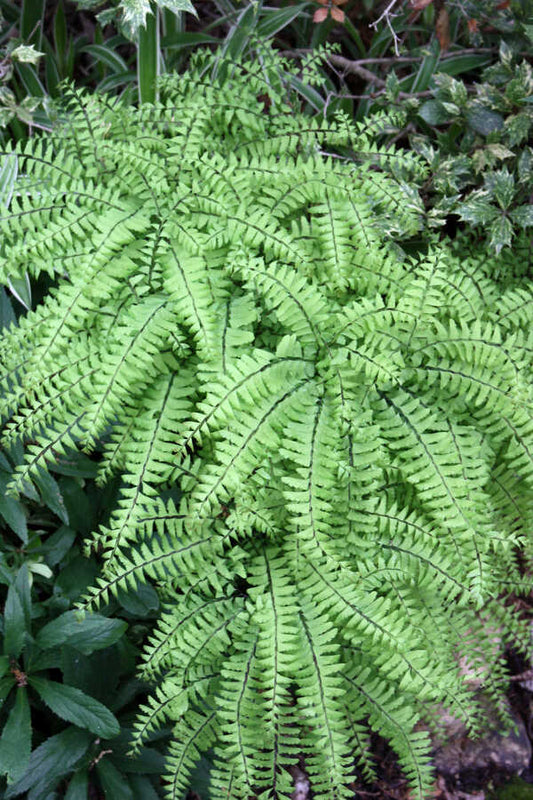
Adiantum pedatum
Item #: 320
Zones: 3a to 8b
Dormancy: Winter
Height: 24" tall
Culture: Part Sun to Light Shade
Origin: Canada, United States
Pot Size: 3.5" pot (24 fl. oz/0.7 L)
Regular price $23.00Regular priceUnit price per -
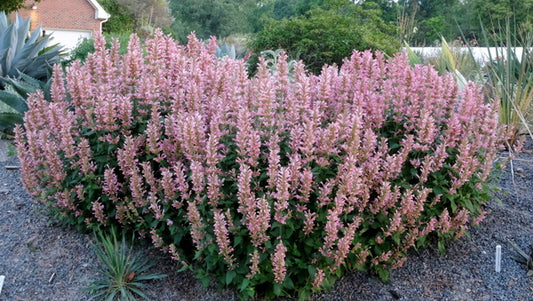
Agastache 'Peachie Keen' PP 25,886
Item #: 10635
Zones: 5a to 8b
Dormancy: Winter
Height: 24" tall
Culture: Sun
Origin: United States Hybrid
Pot Size: 3.5" pot (24 fl. oz/0.7 L)
Regular price $21.00Regular priceUnit price per -
Agastache 'Pink Pearl' PP 36,637
Item #: 17879
Zones: 6a to 8b
Dormancy: Winter
Height: 18" tall
Culture: Sun
Origin: United States Hybrid
Pot Size: 3.5" pot (24 fl. oz/0.7 L)
Regular price $21.00Regular priceUnit price per -
Agastache 'Queen Nectarine' PP 34,896
Item #: 17504
Zones: 5a to 8b
Dormancy: Winter
Height: 42" tall
Culture: Sun
Origin: United States Hybrid
Pot Size: 3.5" pot (24 fl. oz/0.7 L)
Regular price $21.00Regular priceUnit price per -
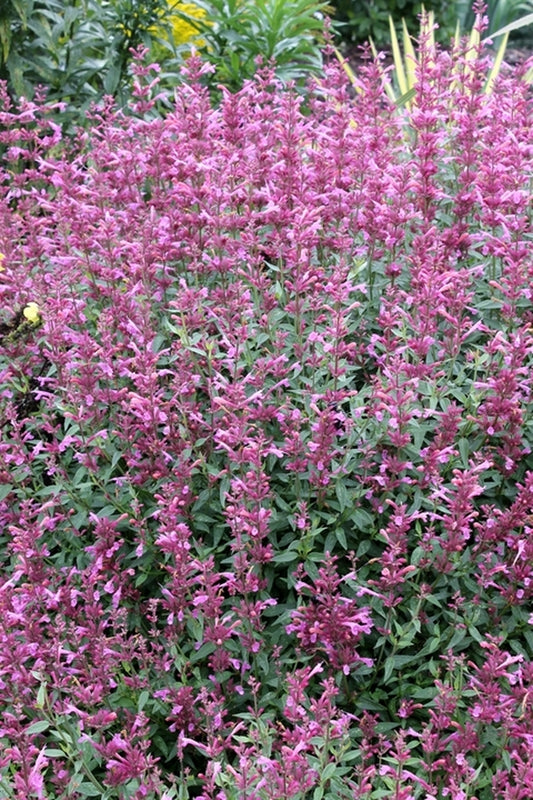
Agastache 'Rosie Posie' PP 25,857
Item #: 10636
Zones: 5a to 8b
Dormancy: Winter
Height: 24" tall
Culture: Sun
Origin: United States Hybrid
Pot Size: 3.5" pot (24 fl. oz/0.7 L)
Regular price $21.00Regular priceUnit price per -
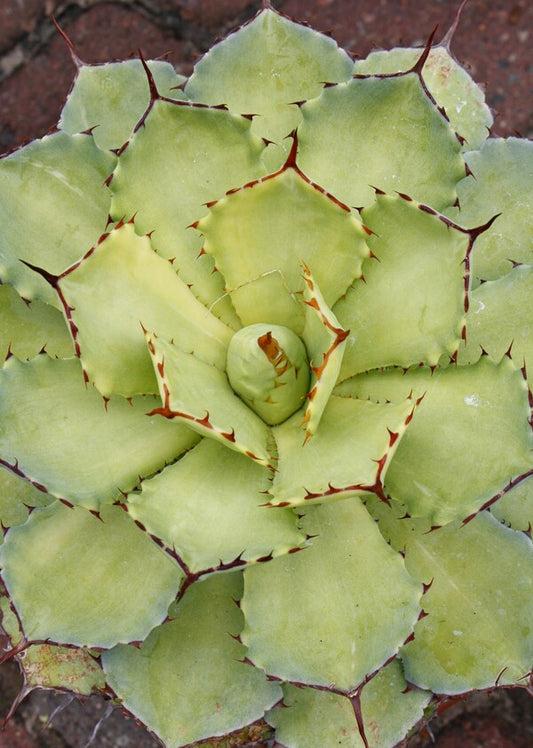
Agave albopilosa
Item #: 9610
Zones: 8a to 10b, guessing
Dormancy: Evergreen
Height: 12" tall
Culture: Sun to Part Sun
Origin: Mexico
Pot Size: 3.5" pot (24 fl. oz/0.7 L)
Regular price $55.00Regular priceUnit price per -
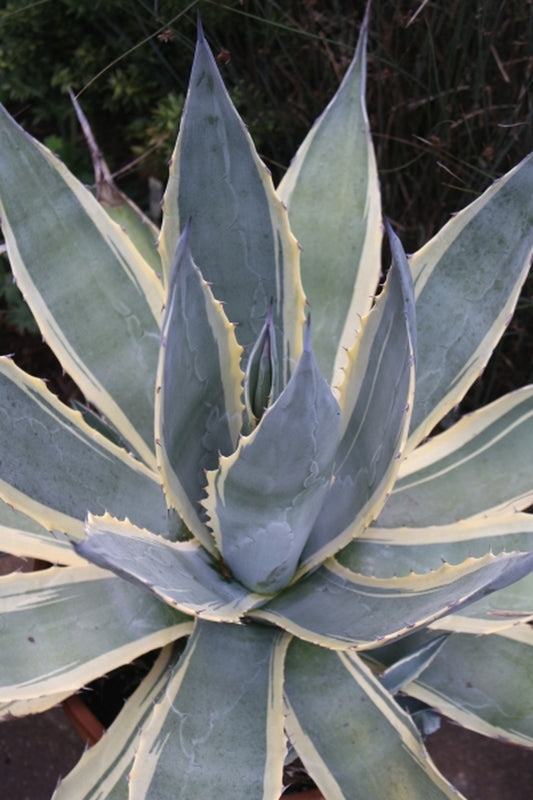
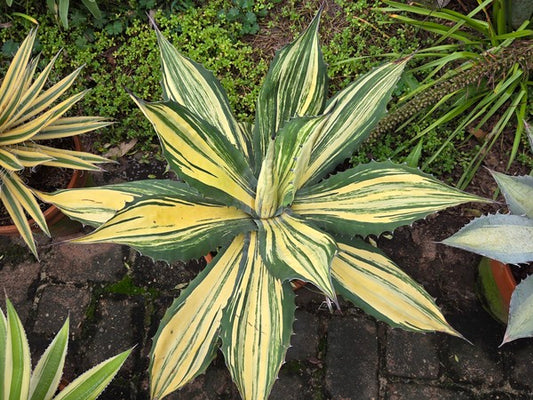
Agave americana 'Marshmallow Cream'
Item #: 7869
Zones: 9a to 10b, guessing
Dormancy: Evergreen
Height: 60" tall
Culture: Sun
Origin: Mexico
Pot Size: 3.5" pot (24 fl. oz/0.7 L)
Regular price $35.00Regular priceUnit price per -
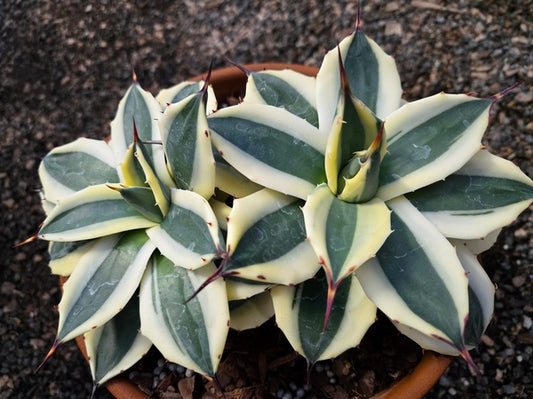
Agave applanata 'Butter Cream'
Item #: 13072
Zones: 9a to 10b
Dormancy: Evergreen
Height: 3" tall
Culture: Sun
Origin: Mexico
Pot Size: 3.5" pot (24 fl. oz/0.7 L)
Regular price $32.00Regular priceUnit price per -
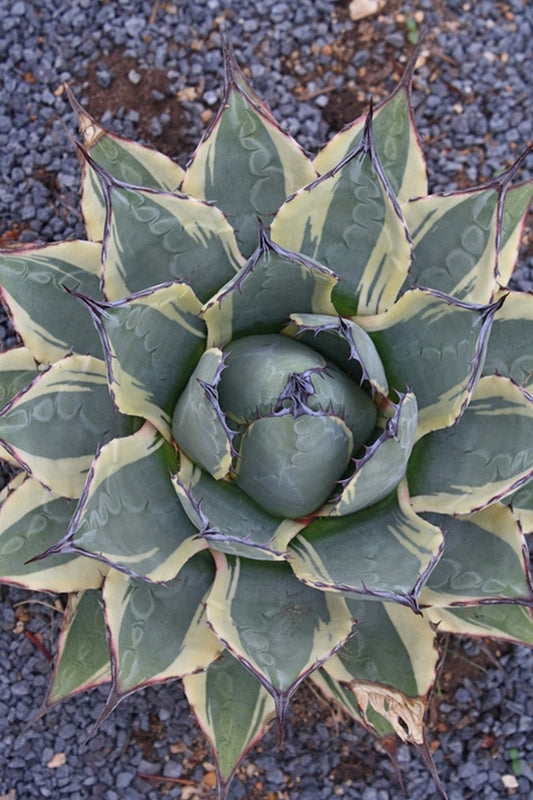
Agave applanata 'Cream Spike'
Item #: 7241
Zones: 9a to 10b
Dormancy: Evergreen
Height: 10" tall
Culture: Sun
Origin: Mexico
Pot Size: 3.5" pot (24 fl. oz/0.7 L)
Regular price $30.00Regular priceUnit price per -
Agave asperrima ssp. maderensis 'Grand Duke'
Item #: 12313
Zones: 8a to 10b, possibly colder
Dormancy: Evergreen
Height: 18" tall
Culture: Sun to Part Sun
Origin: Mexico
Pot Size: 3.5" pot (24 fl. oz/0.7 L)
Regular price $30.00Regular priceUnit price per -
Agave 'Bleached Blonde'
Item #: 9347
Zones: 9a to 10b
Dormancy: Evergreen
Height: 12" tall
Culture: Sun to Part Sun
Origin: Mexico
Pot Size: 3.5" pot (24 fl. oz/0.7 L)
Regular price $32.00Regular priceUnit price per -
Agave bovicornuta 'Divine Bovine'
Item #: 11391
Zones: 9a to 11
Dormancy: Evergreen
Height: 24" tall
Culture: Sun to Part Sun
Origin: Mexico
Pot Size: 3.5" pot (24 fl. oz/0.7 L)
Regular price $32.00Regular priceUnit price per -
Agave bracteosa 'Daddy Longlegs'
Item #: 1922
Zones: 7b to 10b
Dormancy: Evergreen
Height: 18" tall
Culture: Sun to Part Sun
Origin: Mexico
Pot Size: 3.5" pot (24 fl. oz/0.7 L)
Regular price $32.00Regular priceUnit price per -
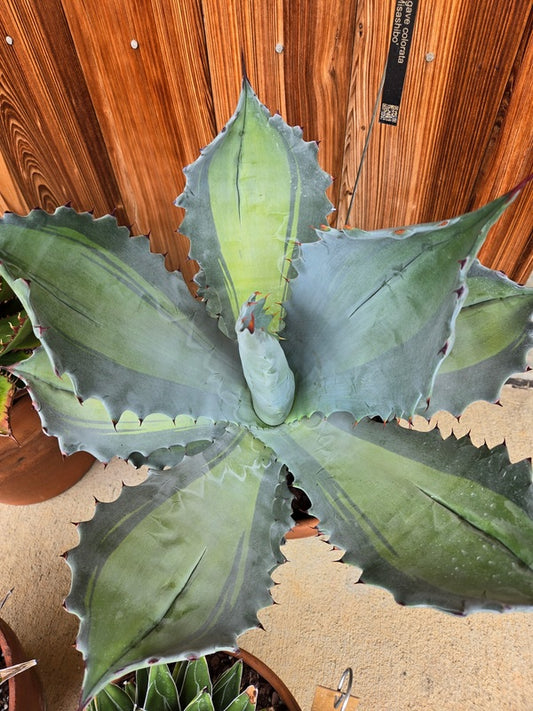
Agave colorata 'Misashibo'
Item #: 9921
Zones: 9a to 11
Dormancy: Evergreen
Height: 12" tall
Culture: Sun to Part Sun
Origin: Mexico
Pot Size: 3.5" pot (24 fl. oz/0.7 L)
Regular price $35.00Regular priceUnit price per -
Agave 'Craziness'
Item #: 9521
Zones: 8b to 10b
Dormancy: Evergreen
Height: 30" tall
Culture: Sun
Origin: Mexico
Pot Size: 3.5" pot (24 fl. oz/0.7 L)
Regular price $100.00Regular priceUnit price per -
Agave 'Crazy Horse'
Item #: 8013
Zones: 7b to 10b
Dormancy: Evergreen
Height: 42" tall
Culture: Sun
Origin: Mexico
Pot Size: 3.5" pot (24 fl. oz/0.7 L)
Regular price $30.00Regular priceUnit price per -
Agave 'Desert Diamond' PP 26,384
Item #: 9457
Zones: 9a to 10b
Dormancy: Evergreen
Height: 15" tall
Culture: Sun
Origin: Mexico
Pot Size: 3.5" pot (24 fl. oz/0.7 L)
Regular price $32.00Regular priceUnit price per -
Agave desmettiana 'Galactic Traveler'
Item #: 16993
Zones: Tropical
Dormancy: Evergreen
Height: 36" tall
Culture: Part Sun
Origin: Mexico
Pot Size: 3.5" pot (24 fl. oz/0.7 L)
Regular price $39.00Regular priceUnit price per












More Information About North American Native Plants
North American native plants are native to the U.S., Mexico, or Canada. Since political boundaries aren't natural (nor are fences), native plants can usually be found on both sides of the border.
Contrary to popular myth, American native plants are not automatically better adapted than exotic plants. If they were, we wouldn't have aggressive exotic plants choking out the natives. Most plants we consider American native plants today evolved over 100,000 years ago, when the climate was much different than it is today.
American native plants are also not necessarily better as a food source for native insects and animals. Foreign and native plants can be the preferred food source for native animals or can repel them. For instance, the Chinese native Butterfly Bush (Buddleia davidii) is a preferred food source for butterflies in the US and England and some butterflies would have trouble surviving without Buddleia. Butterfly conservationists advocate planting Buddleia in the US and England in order to protect butterfly species.
Nature is not Static
The well-meaning but misinformed people who promote the myths of native plant superiority are no different from the political populists of the past who preached genetic isolation and superiority. In a culture that supposedly embraces diversity, we find it bizarre that diversity among plants is promoted as evil. We aim to inform and educate the public that nature is not static and diversity in horticulture is a good thing. Stop trying to promote the preservation of some mythical horticultural Camelot.
Don't get us wrong. There are some fabulous American native plants and it is our goal to introduce as many of them as possible to you. We love them as much as everyone else does. We just consider ourselves to be a contrarian native plant nursery that is not on the native plant superiority bandwagon. Our perennial garden plays host to native and exotic plants alike and we love them all.
Check out our article on native plants as well as this talk from Tony at JC Raulston Arboretum.
In Search of Overlooked and Exceptional Native Plants
This video was recorded on April 29th, 2013 at JC Raulston Arboretum.