We have a passion for native plants, especially rare and hard to find native plants. Some of the best plants are North Carolina native plants from our own state.
-
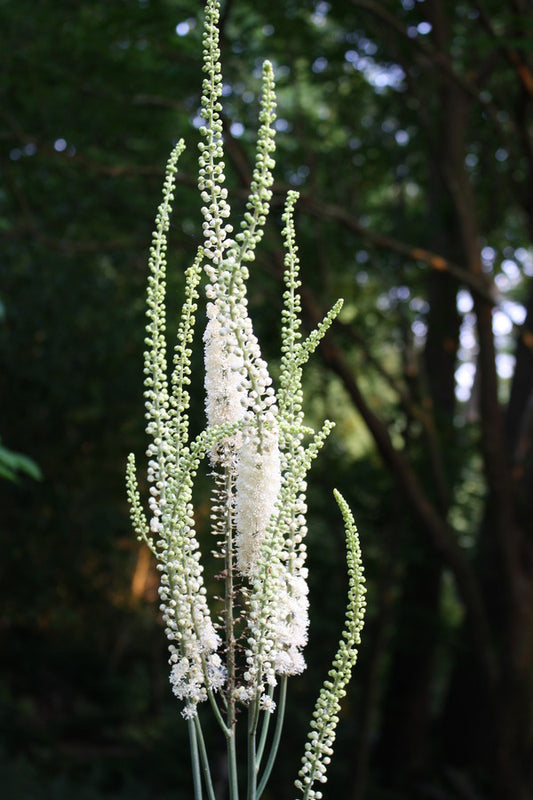
Actaea racemosa
Item #: 8147
Zones: 3a to 8b
Dormancy: Winter
Height: 60" tall
Culture: Part Sun to Light Shade
Origin: United States
Pot Size: 3.5" pot (24 fl. oz/0.7 L)
Regular price $24.00Regular priceUnit price per
-
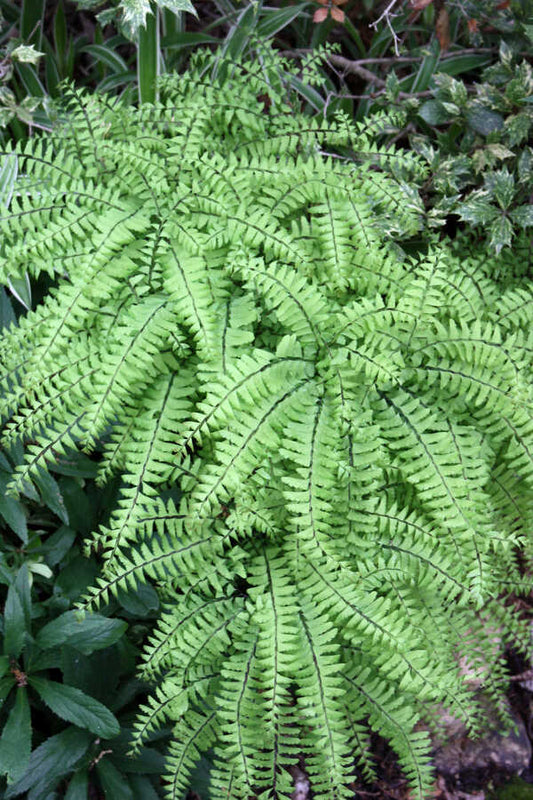
Adiantum pedatum
Item #: 320
Zones: 3a to 8b
Dormancy: Winter
Height: 24" tall
Culture: Part Sun to Light Shade
Origin: Canada, United States
Pot Size: 3.5" pot (24 fl. oz/0.7 L)
Regular price $23.00Regular priceUnit price per -
Amorpha confusa 'Brunswick'
Item #: 17607
Zones: 7a to 9b, at least
Dormancy: Winter
Height: 24" tall
Culture: Sun
Origin: United States
Pot Size: 3.5" pot (24 fl. oz/0.7 L)
Regular price $27.00Regular priceUnit price per -
Ampelaster carolinianus
Item #: 823
Zones: 7a to 9b, possibly colder
Dormancy: Winter
Height: 120" tall
Culture: Sun to Part Sun
Origin: United States
Pot Size: 3.5" pot (24 fl. oz/0.7 L)
Regular price $22.00Regular priceUnit price per -
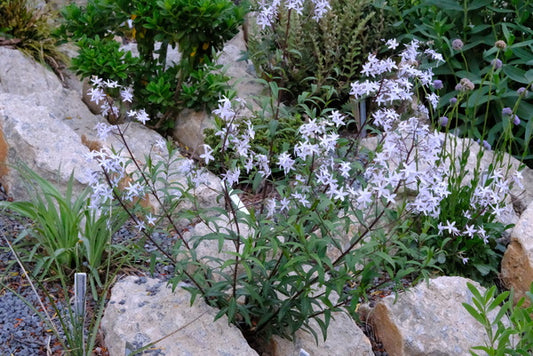
Amsonia rigida 'Black's Dwarf'
Item #: 17144
Zones: 6a to 9b
Dormancy: Winter
Height: 15" tall
Culture: Sun to Part Sun
Origin: United States
Pot Size: 3.5" pot (24 fl. oz/0.7 L)
Regular price $26.00Regular priceUnit price per -
Amsonia tabernaemontana 'Storm Cloud'
Item #: 12043
Zones: 5a to 8b, at least
Dormancy: Winter
Height: 24" tall
Culture: Sun to Part Sun
Origin: United States
Pot Size: 3.5" pot (24 fl. oz/0.7 L)
Regular price $22.00Regular priceUnit price per -
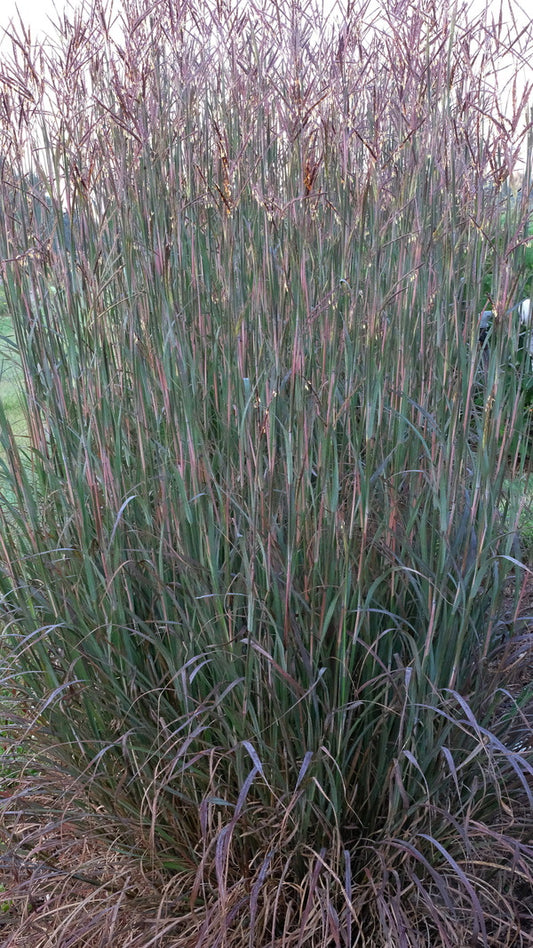
Andropogon gerardii 'Blackhawks' PP 27,949
Item #: 13009
Zones: 4a to 8b
Dormancy: Winter
Height: 48" tall
Culture: Sun to Part Sun
Origin: North America
Pot Size: 3.5" pot (24 fl. oz/0.7 L)
Regular price $25.00Regular priceUnit price per -
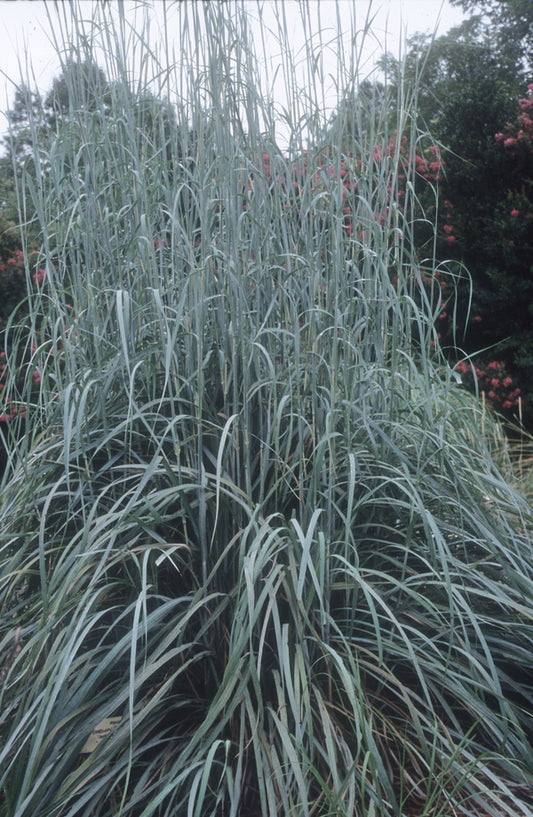
Andropogon gerardii 'Lord Snowden'
Item #: 18284
Zones: 4a to 8b
Dormancy: Winter
Height: 84" tall
Culture: Sun to Part Sun
Origin: North America
Pot Size: 3.5" pot (24 fl. oz/0.7 L)
Regular price $26.00Regular priceUnit price per -
 Sold out
Anemonella thalictroides 'Cameo'
Item #: 8403
Zones: 4a to 8b, at least
Dormancy: Winter, Summer, Fall
Height: 6" tall
Culture: Part Sun to Light Shade
Origin: United States
Pot Size: 2.5" pot (7.9 fl. oz/233 ml)
Regular price $35.00Regular priceUnit price per -
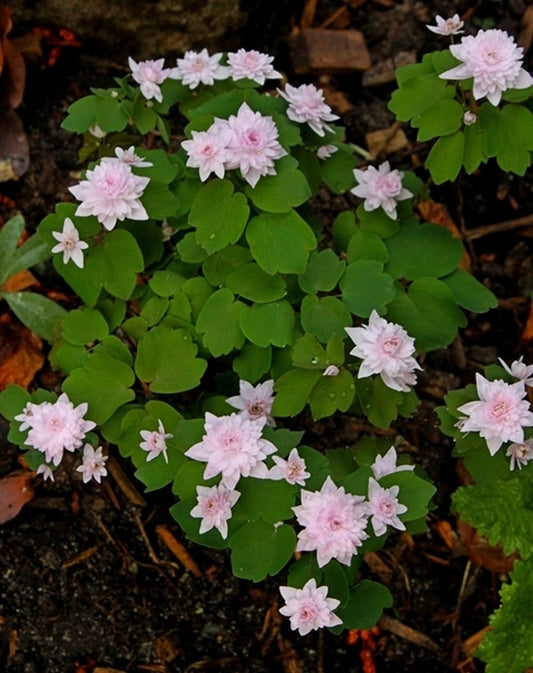
Anemonella thalictroides 'Schoaf's Double Pink'
Item #: 4993
Zones: 4a to 8b
Dormancy: Winter, Summer, Fall
Height: 6" tall
Culture: Part Sun to Light Shade
Origin: United States
Pot Size: 2.5" pot (7.9 fl. oz/233 ml)
Regular price $35.00Regular priceUnit price per -
Antennaria solitaria 'RDU'
Item #: 15111
Zones: 5b to 8b
Dormancy: Evergreen
Height: 4" tall
Culture: Part Sun to Light Shade
Origin: United States
Pot Size: 3.5" pot (24 fl. oz/0.7 L)
Regular price $21.00Regular priceUnit price per -
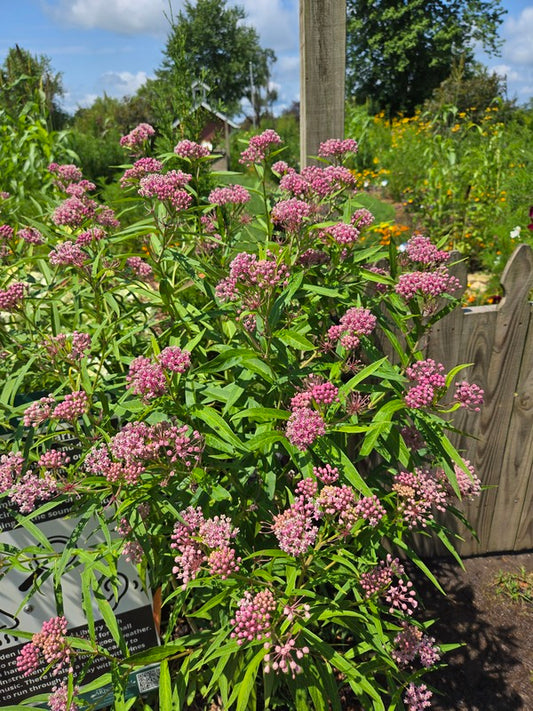
Asclepias incarnata
Item #: 18153
Zones: 3a to 9b
Dormancy: Winter
Height: 50" tall
Culture: Sun
Origin: United States
Pot Size: 3.5" pot (24 fl. oz/0.7 L)
Regular price $22.00Regular priceUnit price per -
Asclepias incarnata 'Cinderella'
Item #: 388
Zones: 3a to 9b
Dormancy: Winter
Height: 50" tall
Culture: Sun
Origin: United States
Pot Size: 3.5" pot (24 fl. oz/0.7 L)
Regular price $22.00Regular priceUnit price per -
 Sold out
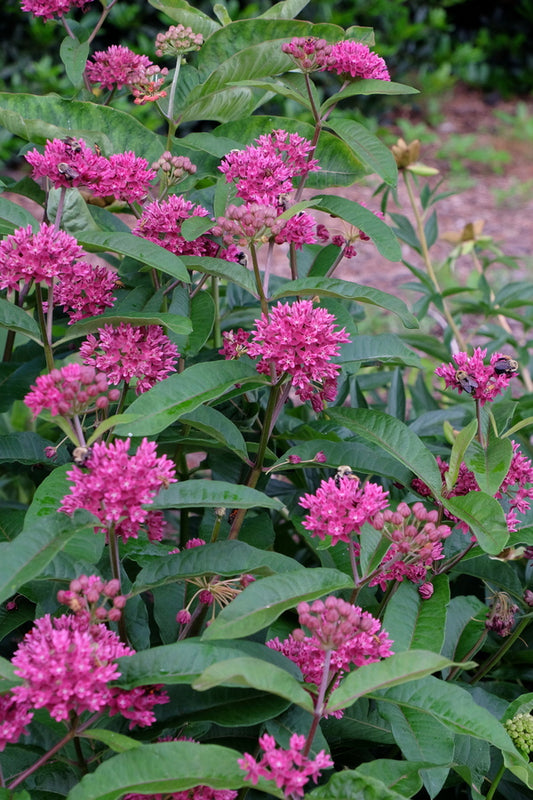
Asclepias purpurascens
Item #: 12659
Zones: 3a to 9b
Dormancy: Winter
Height: 24" tall
Culture: Sun
Origin: United States
Pot Size: 3.5" pot (24 fl. oz/0.7 L)
Regular price $24.00Regular priceUnit price per -
 Sold out
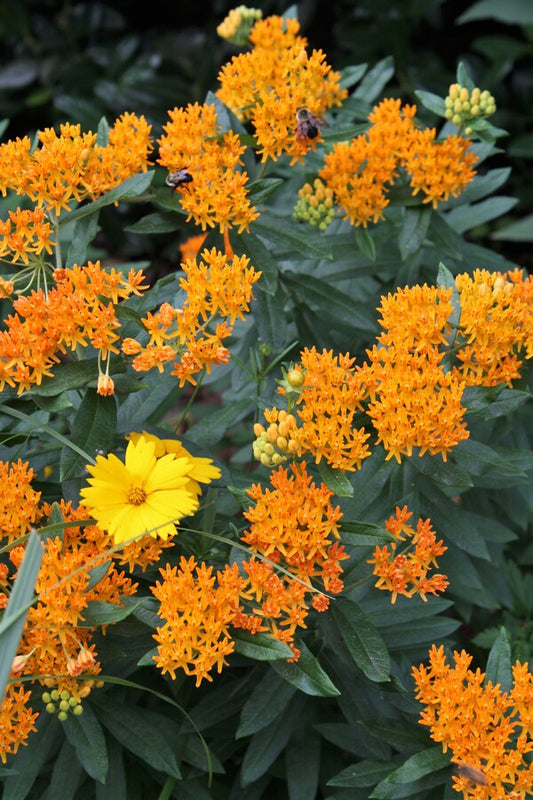
Asclepias tuberosa
Item #: 335
Zones: 3a to 9b
Dormancy: Winter
Height: 24" tall
Culture: Sun
Origin: United States
Pot Size: 3.5" pot (24 fl. oz/0.7 L)
Regular price $22.00Regular priceUnit price per -
Asclepias tuberosa 'Hello Yellow'
Item #: 6700
Zones: 4a to 9b
Dormancy: Winter
Height: 20" tall
Culture: Sun
Origin: United States
Pot Size: 3.5" pot (24 fl. oz/0.7 L)
Regular price $22.00Regular priceUnit price per -
Asplenium platyneuron 'Brunswick Giant'
Item #: 5226
Zones: 3a to 8b
Dormancy: Evergreen
Height: 18" tall
Culture: Part Sun to Shade
Origin: United States
Pot Size: 3.5" pot (24 fl. oz/0.7 L)
Regular price $22.00Regular priceUnit price per -
Athyrium filix-femina
Item #: 2260
Zones: 3a to 8b
Dormancy: Winter
Height: 36" tall
Culture: Part Sun to Shade
Origin: Europe, United States
Pot Size: 3.5" pot (24 fl. oz/0.7 L)
Regular price $21.00Regular priceUnit price per -
 Sold out
Athyrium filix-femina 'Lady in Red'
Item #: 4968
Zones: 3a to 8b
Dormancy: Winter
Height: 20" tall
Culture: Part Sun to Light Shade
Origin: United States
Pot Size: 3.5" pot (24 fl. oz/0.7 L)
Regular price $22.00Regular priceUnit price per -
Athyrium filix-femina 'Victoriae'
Item #: 2361
Zones: 3a to 8b
Dormancy: Winter
Height: 18" tall
Culture: Part Sun to Light Shade
Origin: Europe, United States
Pot Size: 3.5" pot (24 fl. oz/0.7 L)
Regular price $23.00Regular priceUnit price per -
Baptisia australis
Item #: 1182
Zones: 4a to 9b
Dormancy: Winter
Height: 36" tall
Culture: Sun to Part Sun
Origin: United States
Pot Size: 3.5" pot (24 fl. oz/0.7 L)
Regular price $23.00Regular priceUnit price per -
 Sold out
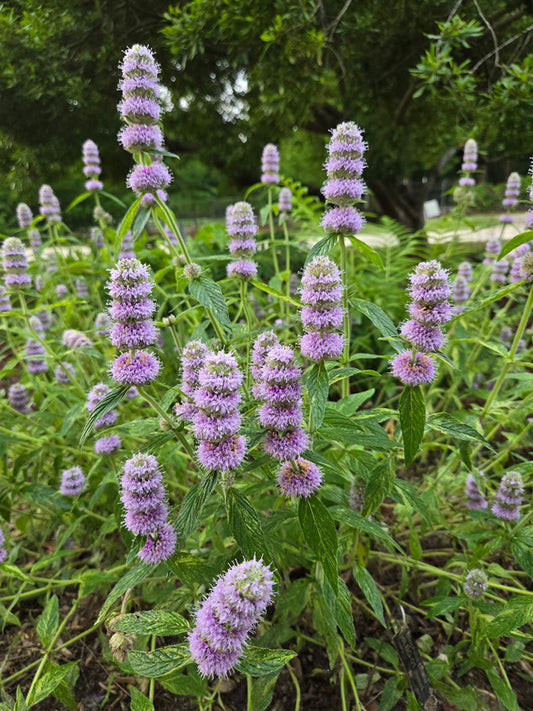
Blephilia ciliata
Item #: 17371
Zones: 4a to 8b, at least
Dormancy: Winter
Height: 18" tall
Culture: Part Sun to Light Shade
Origin: United States
Pot Size: 3.5" pot (24 fl. oz/0.7 L)
Regular price $21.00Regular priceUnit price per -
Calycanthus floridus 'Burgundy Spice' PP 28,886
Item #: 14285
Zones: 6a to 9b, at least
Dormancy: Winter
Height: 96" tall
Culture: Sun to Light Shade
Origin: United States
Pot Size: 3.5" pot (24 fl. oz/0.7 L)
Regular price $30.00Regular priceUnit price per -
Cardamine bulbosa 'Fairy Lights'
Item #: 16976
Zones: 6a to 8b, at least
Dormancy: Summer, Fall
Height: 17" tall
Culture: Part Sun to Light Shade
Origin: United States
Pot Size: 2.5" pot (7.9 fl. oz/233 ml)
Regular price $22.00Regular priceUnit price per














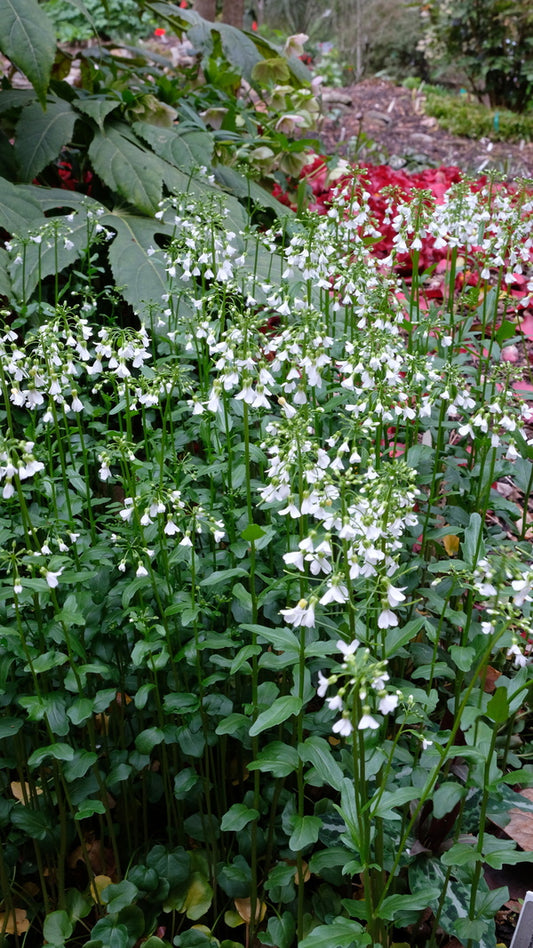
More Information About North Carolina Native Plants
Native Perennials of the Old North State. At Plant Delights Nursery, we nursery propagate and sell perennials from all over the world, but some of the best plants are North Carolina native plants from our own state. While many people tout native plants as being better adapted to the state from which they grow naturally, this is simply not always true. Some North Carolina native plants might be far better adapted to a country like Australia than here in NC. Consequently, don't choose plants just because they are native, choose them because they are great garden plants that also happen to be native. Although we are not strictly a native plant nursery, we have a passion for native plants, especially rare and hard to find native plants. From native trilliums to cypripedium ladyslipper orchids, we are your source for rare and unusual native plants online. We hope you'll find some interesting North Carolina native plants online that will thrive in your home garden, wherever in the world that might be.
Check out our article on native plants.