
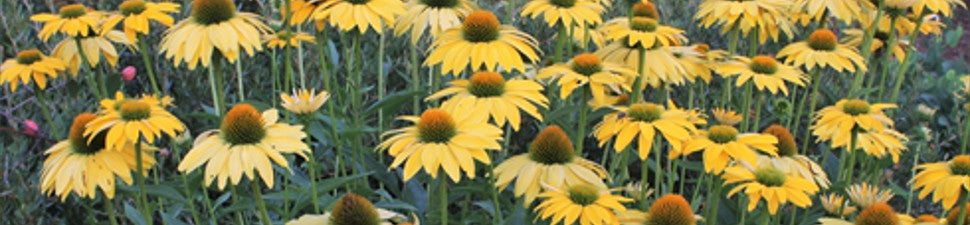
Plant two and call us in the morning. The modern medicinal garden pays homage to the Chinese herbalists, renaissance era physic gardens of Europe, and Native American shamans who were early botanists that collected medicinal plants.
-
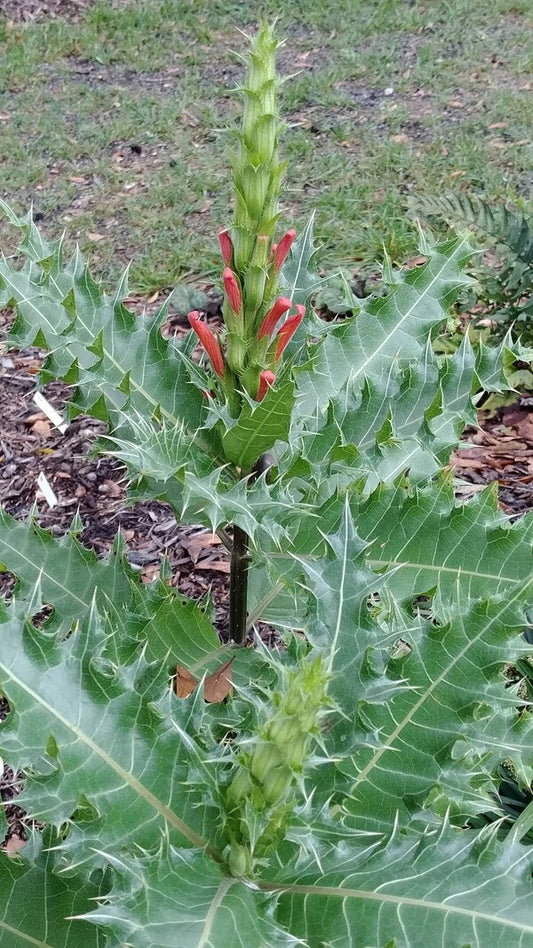
Acanthus sennii
Item #: 13718
Zones: 7b to 9b, at least
Dormancy: Winter
Height: 36" tall
Culture: Part Sun to Light Shade
Origin: Ethiopia
Pot Size: 3.5" pot (24 fl. oz/0.7 L)
Regular price $28.00Regular priceUnit price per -
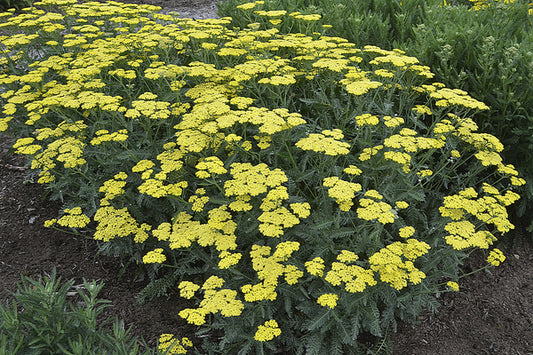
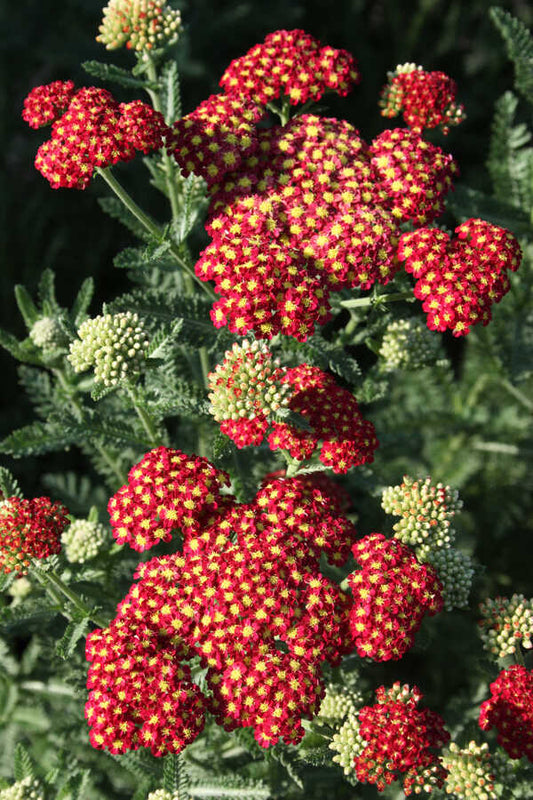
Achillea coarctata
Item #: 16084
Zones: 6a to 8b, guessing
Dormancy: Winter
Height: 15" tall
Culture: Sun
Origin: Balkans, Croatia, Greece, Hungary, Moldova, Romania, Serbia, Turkey, Ukraine
Pot Size: 3.5" pot (24 fl. oz/0.7 L)
Regular price $22.00Regular priceUnit price per -
Achillea 'Sassy Summer Lemon' PP 31,693
Item #: 13577
Zones: 5a to 8b, possibly much colder
Dormancy: Winter
Height: 28" tall
Culture: Sun
Origin: Hybrid
Pot Size: 3.5" pot (24 fl. oz/0.7 L)
Regular price $20.00Regular priceUnit price per -
Achillea 'Sassy Summer Taffy' PP 31,755
Item #: 13575
Zones: 5a to 8b, possibly much colder
Dormancy: Winter
Height: 32" tall
Culture: Sun
Origin: Hybrid
Pot Size: 3.5" pot (24 fl. oz/0.7 L)
Regular price $20.00Regular priceUnit price per -
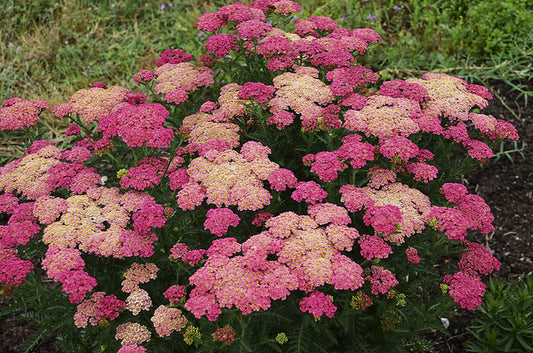
Achillea 'Strawberry Seduction' PP 18,401
Item #: 9200
Zones: 3a to 8b
Dormancy: Winter
Height: 24" tall
Culture: Sun
Origin: Hybrid
Pot Size: 3.5" pot (24 fl. oz/0.7 L)
Regular price $20.00Regular priceUnit price per -
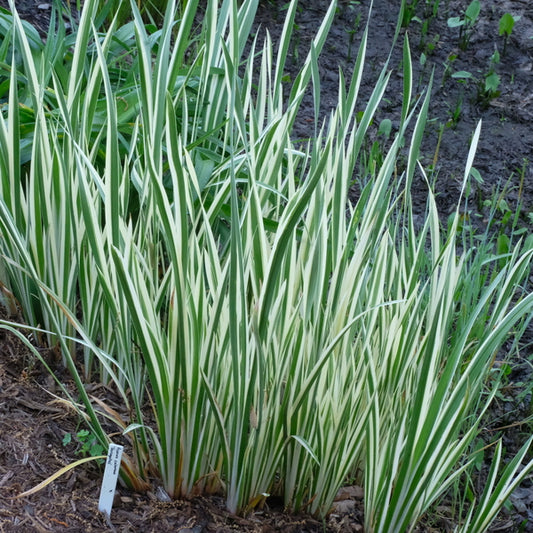
Acorus calamus 'Argenteostriatus'
Item #: 767
Zones: 4a to 9b
Dormancy: Winter
Height: 36" tall
Culture: Sun to Part Sun
Origin: Europe
Pot Size: 3.5" pot (24 fl. oz/0.7 L)
Regular price $24.00Regular priceUnit price per -
Acorus gramineus 'Ogon'
Item #: 369
Zones: 5a to 9b
Dormancy: Evergreen
Height: 12" tall
Culture: Part Sun to Light Shade
Origin: China, Japan
Pot Size: 3.5" pot (24 fl. oz/0.7 L)
Regular price $22.00Regular priceUnit price per -
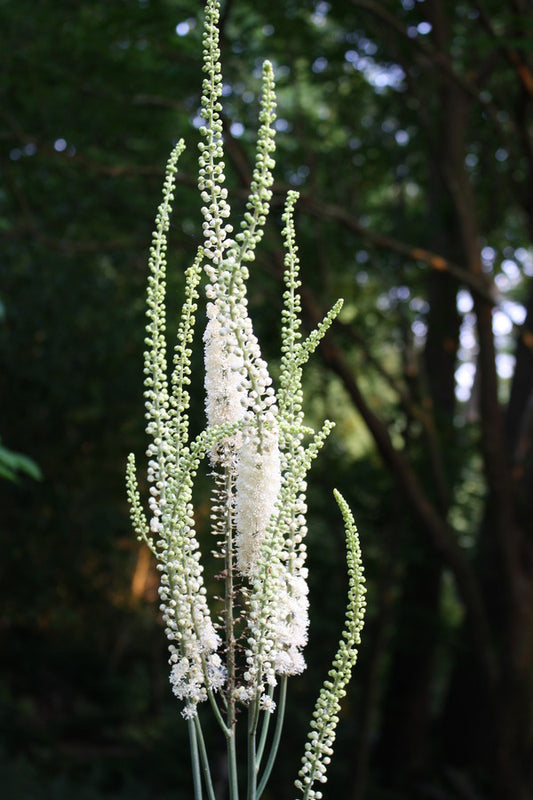
Actaea racemosa
Item #: 8147
Zones: 3a to 8b
Dormancy: Winter
Height: 60" tall
Culture: Part Sun to Light Shade
Origin: United States
Pot Size: 3.5" pot (24 fl. oz/0.7 L)
Regular price $24.00Regular priceUnit price per
-
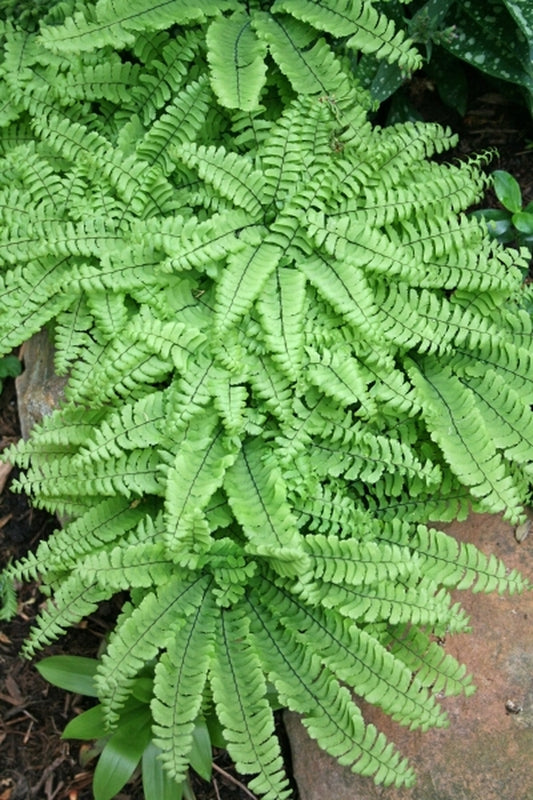
Adiantum aleuticum 'Imbricatum'
Item #: 9827
Zones: 3a to 8b
Dormancy: Winter
Height: 10" tall
Culture: Part Sun to Light Shade
Origin: United States
Pot Size: 3.5" pot (24 fl. oz/0.7 L)
Regular price $23.00Regular priceUnit price per -
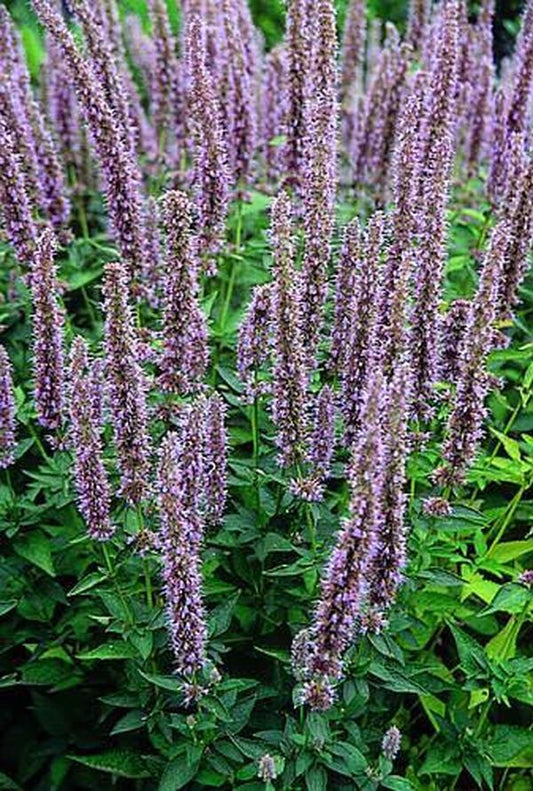
Agastache 'Beelicious Purple' PP 30,614
Item #: 18764
Zones: 6a to 8b, guessing
Dormancy: Winter
Height: 36" tall
Culture: Sun
Origin: Hybrid
Pot Size: 3.5" pot (24 fl. oz/0.7 L)
Regular price $21.00Regular priceUnit price per -
Agastache 'Blue Fortune'
Item #: 3209
Zones: 3a to 9b
Dormancy: Winter
Height: 36" tall
Culture: Sun
Origin: United States Hybrid
Pot Size: 3.5" pot (24 fl. oz/0.7 L)
Regular price $21.00Regular priceUnit price per -
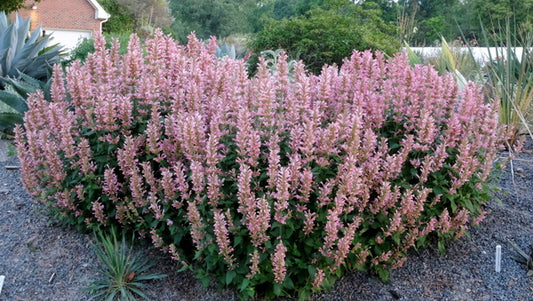
Agastache 'Peachie Keen' PP 25,886
Item #: 10635
Zones: 5a to 8b
Dormancy: Winter
Height: 24" tall
Culture: Sun
Origin: United States Hybrid
Pot Size: 3.5" pot (24 fl. oz/0.7 L)
Regular price $21.00Regular priceUnit price per -
Agastache 'Pink Pearl' PP 36,637
Item #: 17879
Zones: 6a to 8b
Dormancy: Winter
Height: 18" tall
Culture: Sun
Origin: United States Hybrid
Pot Size: 3.5" pot (24 fl. oz/0.7 L)
Regular price $21.00Regular priceUnit price per -
Agastache 'Queen Nectarine' PP 34,896
Item #: 17504
Zones: 5a to 8b
Dormancy: Winter
Height: 42" tall
Culture: Sun
Origin: United States Hybrid
Pot Size: 3.5" pot (24 fl. oz/0.7 L)
Regular price $21.00Regular priceUnit price per -
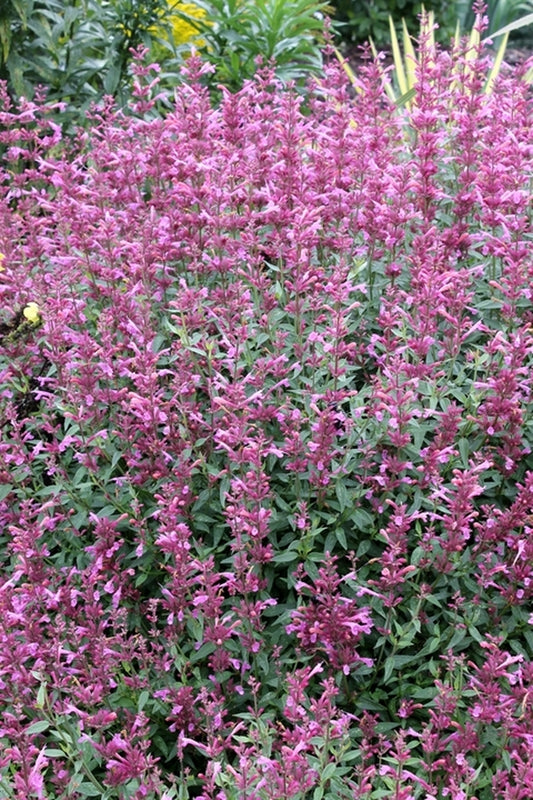
Agastache 'Rosie Posie' PP 25,857
Item #: 10636
Zones: 5a to 8b
Dormancy: Winter
Height: 24" tall
Culture: Sun
Origin: United States Hybrid
Pot Size: 3.5" pot (24 fl. oz/0.7 L)
Regular price $21.00Regular priceUnit price per -
Agave albopilosa
Item #: 9610
Zones: 8a to 10b, guessing
Dormancy: Evergreen
Height: 12" tall
Culture: Sun to Part Sun
Origin: Mexico
Pot Size: 3.5" pot (24 fl. oz/0.7 L)
Regular price $55.00Regular priceUnit price per -
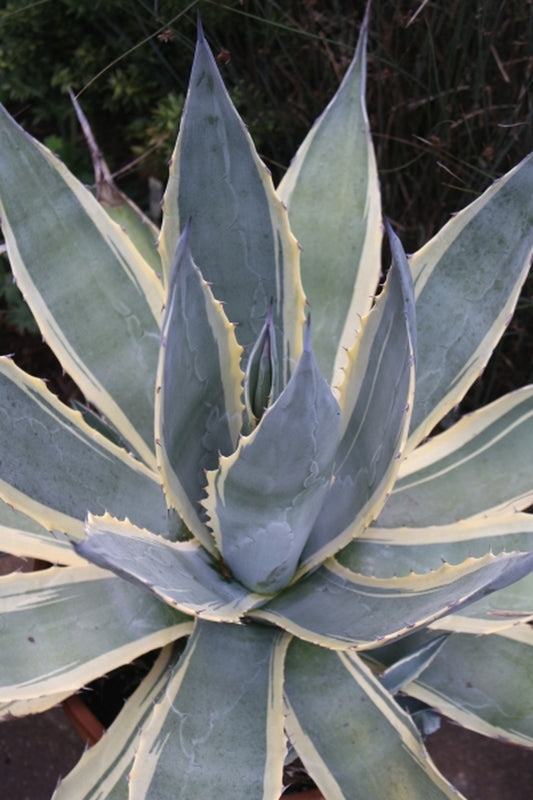
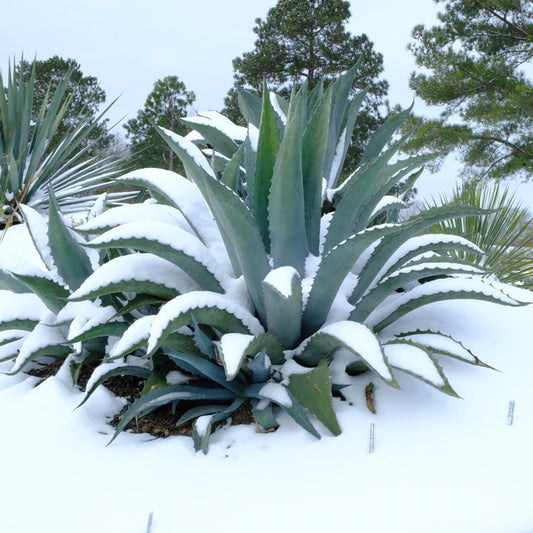
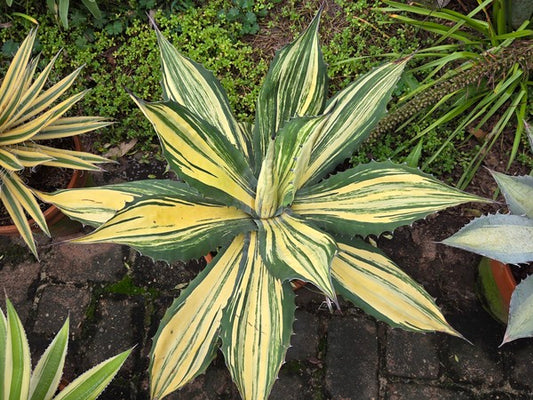
Agave americana 'Marshmallow Cream'
Item #: 7869
Zones: 9a to 10b, guessing
Dormancy: Evergreen
Height: 60" tall
Culture: Sun
Origin: Mexico
Pot Size: 3.5" pot (24 fl. oz/0.7 L)
Regular price $35.00Regular priceUnit price per -
Agave x amourifolia 'Twisted Tongue'
Item #: 13065
Zones: 7b to 10b, at least
Dormancy: Evergreen
Height: 36" tall
Culture: Sun
Origin: Hybrid
Pot Size: 3.5" pot (24 fl. oz/0.7 L)
Regular price $35.00Regular priceUnit price per -
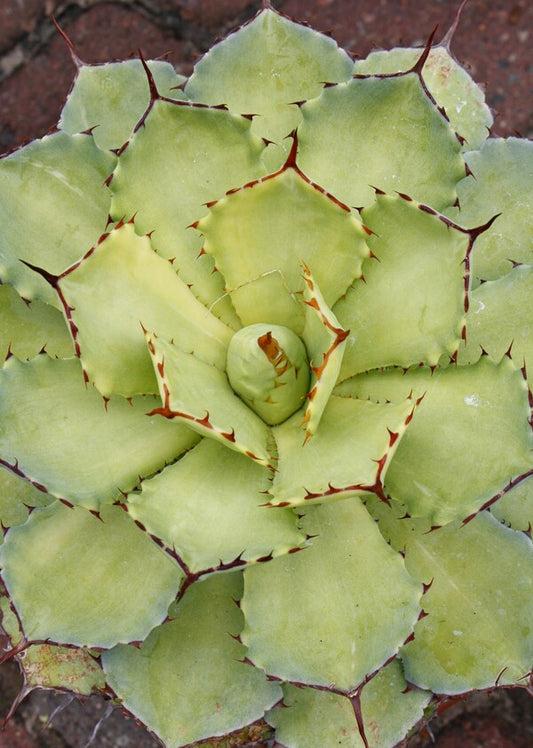
Agave applanata 'Butter Cream'
Item #: 13072
Zones: 9a to 10b
Dormancy: Evergreen
Height: 3" tall
Culture: Sun
Origin: Mexico
Pot Size: 3.5" pot (24 fl. oz/0.7 L)
Regular price $32.00Regular priceUnit price per -
Agave applanata 'Cream Spike'
Item #: 7241
Zones: 9a to 10b
Dormancy: Evergreen
Height: 10" tall
Culture: Sun
Origin: Mexico
Pot Size: 3.5" pot (24 fl. oz/0.7 L)
Regular price $30.00Regular priceUnit price per -
Agave asperrima ssp. maderensis 'Grand Duke'
Item #: 12313
Zones: 8a to 10b, possibly colder
Dormancy: Evergreen
Height: 18" tall
Culture: Sun to Part Sun
Origin: Mexico
Pot Size: 3.5" pot (24 fl. oz/0.7 L)
Regular price $30.00Regular priceUnit price per -
Agave 'Bleached Blonde'
Item #: 9347
Zones: 9a to 10b
Dormancy: Evergreen
Height: 12" tall
Culture: Sun to Part Sun
Origin: Mexico
Pot Size: 3.5" pot (24 fl. oz/0.7 L)
Regular price $32.00Regular priceUnit price per -
Agave bracteosa 'Daddy Longlegs'
Item #: 1922
Zones: 7b to 10b
Dormancy: Evergreen
Height: 18" tall
Culture: Sun to Part Sun
Origin: Mexico
Pot Size: 3.5" pot (24 fl. oz/0.7 L)
Regular price $32.00Regular priceUnit price per -
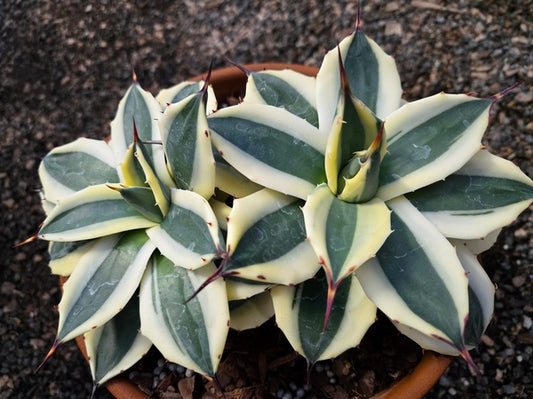
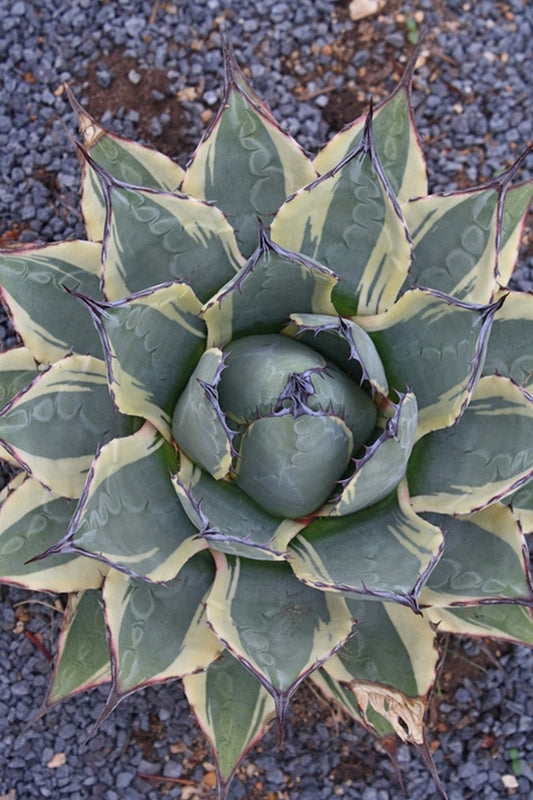
Agave 'Craziness'
Item #: 9521
Zones: 8b to 10b
Dormancy: Evergreen
Height: 30" tall
Culture: Sun
Origin: Mexico
Pot Size: 3.5" pot (24 fl. oz/0.7 L)
Regular price $100.00Regular priceUnit price per










More Information About Medicinal Plants
The top 15 list of medicinal plants for your garden
Items in this medicinal plants list combine great looks and medicinal value...a win-win.
- Achillea (Yarrow) - A medicinal herb for fever, colds, etc. and with colorful flowers
- Agastache (Hyssop) - A medicinal plant for congestion, depression and with colorful flowers and fragrant foliage
- Amorphophallus konjac - A chinese herb for losing weight with a cool looking leaf and large bizarre flower
- Athyrium filix-femina (Lady Fern) - A European herb and fern used for pain relief from giving birth and lactation
- Curcuma longa (Turmeric) - An herb from India for indigestion and an anti-inflammatory with large tropical foliage and bizarre flowers
- Cypripedium parviflorum (Ladyslipper Orchid) - A native US medicine plant used as a sedative and a hypnotic with highly sought after flowers
- Echinacea (Purple Coneflower) - A native US herbal medicine for colds and respiratory infections with pretty purple flowers
- Epimedium (Fairy Wings) - A chinese herb used as an herbal Viagra plus it has wonderful springtime flowers
- Helleborus (Lenten Rose) - A European medicinal herb used as a purgative and a great winter flowering plant
- Lavandula (Lavender) - An Aromatherapy / calming agent with attractive and fragrant flowers and leaves
- Nepeta (Catnip) - An insect repellent and calming agent with fragrant foliage
- Oenothera (Evening Primrose) - Anti-inflammatory, pain reducer and brilliant yellow flowers
- Rosmarinus (Rosemary) - Anti-bacterial, anti-fungal, and also a culinary herb with evergreen foliage
- Thymus (Thyme) - Treats diarrhea, flatulence, and is a diuretic and a great groundcover too
- Zingiber (Ginger) - An Asian medicinal herb for nausea and with large tropical leaves.
A short history of medicinal plants and herbs
Although physic gardens were recorded as early as the 1330's the most famous medicinal plant garden was the Chelsea Physic Garden, started in 1673 in London. The most famous botanists of the era, whose names today are echoed in countless garden plants, worked at these gardens with their primary goal being the collection of medicinal plants used by apothecaries of the time. People such as Joseph Banks (Banksia), John Bartram (US explorer), Mark Catesby (as in Sarracenia x catesbaei), Samuel Doody (Doodia), William Forsyth (Forsythia), Carl Linnaeus (creator of modern plant taxonomy), William Houston (who discovered Buddleia and had Houstonia named for him) and John Miller (author of "The Gardener's Dictionary") all studied medicinal plants and herbal medicine at the European physic gardens.
On the other side of the world from the European physic gardens, traditional Chinese herbalists also used local plant species in Chinese herbal medicine. Chinese medicinal herbs were used to balance yin and yang and to manipulate the five cardinal functions of the qi. Today, in the Far East, there is a branch of herbal medicine called "traditional Chinese medicine" (TCM) that uses Chinese herbs to heal, revive and restore balance. There are 50 fundamental medicinal plants in TCM, and thousands of minor ones. Many of these plants are wonderful ornamental garden plants that can be used strictly for their looks or as part of a traditional Chinese herbal medicine garden. Similar herbal medicine histories developed throughout Asia, Japan, India, and other exotic locales. Even today, there are thousands of vendors of Chinese herbs online, so TCM is still a wildly popular subject.
At the same time in history, across the Pacific, Native American shamans used North American native plants to heal various new world maladies, and when the Europeans first arrived, the Native Americans shared their medicinal plants with them. Some of these plants were sent back to the European physic gardens, completing the global circuit. Wherever humans have lived, they have employed local medicinal plants to treat illnesses.
In the era before modern science, controlled experiments, hypotheses, statistical analysis, etc., humans often used the physical appearance of a plant to determine its medicinal use...whether it actually worked or not. Primitive cultures assumed that the creator imbued medicinal plants with signs or clues as to how humans should use them. For example, a plant with spotted, lung-shaped leaves was used to treat tuberculosis and was given the name Lungwort (Pulmonaria). Aristolochia was often called birthwort because the oddly shaped flowers reminded some medieval apothecary of a birth canal...unfortunately this plant is quite toxic and poisoned countless pregnant women. This philosophy is called the "Doctrine of Signatures" and many historical medicinal plants were given names based on the heavenly "signs" in them. Many plant names today still bear these doctrinal names...Hepatica (Liverleaf). Sanguinaria (Bloodroot), Eupatorium (Boneset), Dicentra (Bleeding Heart). However, the doctrine of signatures is nothing more than the wishful thinking of medieval cultures. Many traditional "medicinal plants" actually have no effect or are extraordinarily toxic (Sanguinaria, Digitalis, Aconitum, Convallaria).
Today there are thousands of species of plants that are popular in ornamental gardens that unbeknownst to their owners also have a history of use as medicinal plants. We have culled through our enormous plant catalog to gather a list of the medicinal plants for sale here at Plant Delights. Some of these herbs are no longer used for medicinal purposes, having been supplanted by less expensive synthetic medicines or less toxic compounds. Our advice regarding how to use medicinal plants is to plant two and call us in the morning.
Check out our blog entries on herbal medicine.