
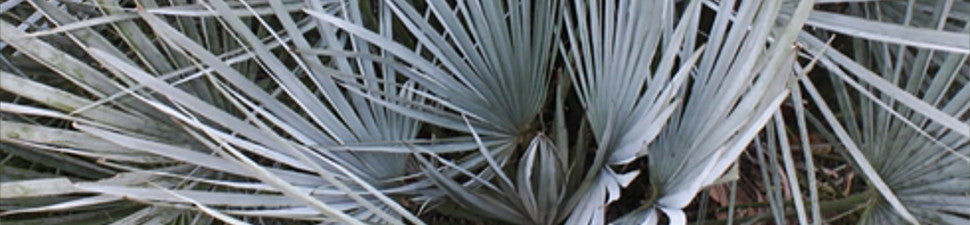
We are continually on the hunt for new cold hardy palms and hardy cycads. There is no reason why gardeners in Tennessee or Virginia cannot have a cold hardy palm tree in their yard just like a Floridian.
-
 Sold out
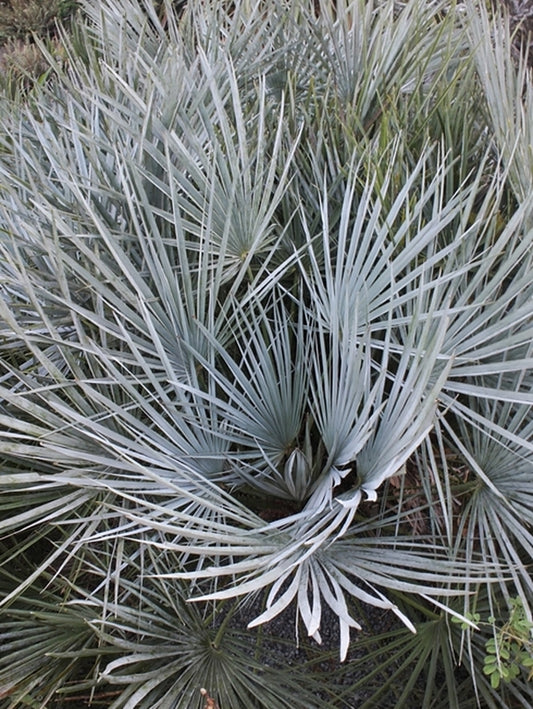
Chamaerops humilis var. argentea
Item #: 4280
Zones: 7b to 10b
Dormancy: Evergreen
Height: 180" tall
Culture: Sun
Origin: Morocco
Pot Size: 3.5" pot (24 fl. oz/0.7 L)
Regular price $31.00Regular priceUnit price per -
 Sold out
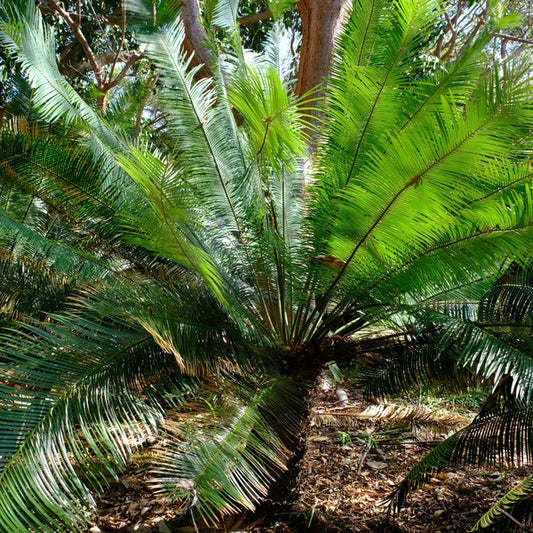
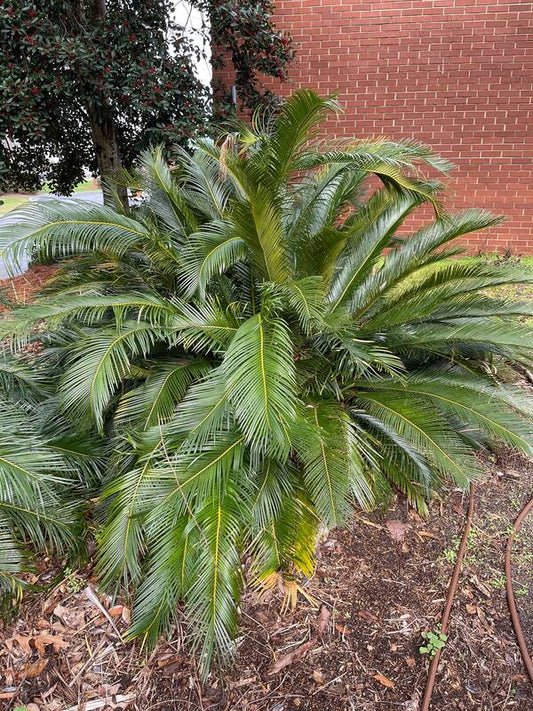
Cycas pectinata
Item #: 17324
Zones: 9a to 11, at least
Dormancy: Evergreen
Height: 480" tall
Culture: Sun to Part Sun
Origin: Burma/Myanmar, Cambodia, China, India, Laos, Malaysia, Nepal, Sikkim region of India, Southeast Asia, Thailand
Pot Size: 3.5" pot (24 fl. oz/0.7 L)
Regular price $45.00Regular priceUnit price per -
Cycas x taitoluta
Item #: 10570
Zones: 8a to 10b, at least
Dormancy: Evergreen
Height: 96" tall
Culture: Sun to Part Sun
Origin: Hybrid
Pot Size: 3.5" pot (24 fl. oz/0.7 L)
Regular price $65.00Regular priceUnit price per -
 Sold out
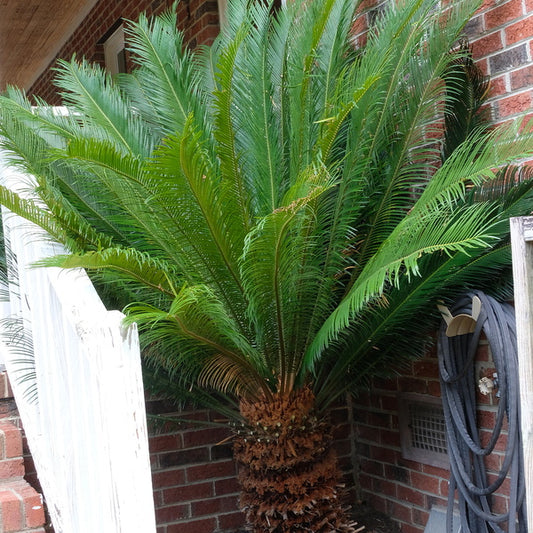
Cycas taitungensis
Item #: 4683
Zones: 7b to 10b
Dormancy: Evergreen
Height: 120" tall
Culture: Sun to Part Sun
Origin: Taiwan
Pot Size: 3.5" pot (24 fl. oz/0.7 L)
Regular price $38.00Regular priceUnit price per -
Sabal 'Birmingham'
Item #: 4084
Zones: 7a to 10b
Dormancy: Evergreen
Height: 180" tall
Culture: Sun to Light Shade
Origin: United States Hybrid
Pot Size: 3.5" pot (24 fl. oz/0.7 L)
Regular price $30.00Regular priceUnit price per -
Sabal 'DeFuniak'
Item #: 15648
Zones: 7b to 10b, guessing
Dormancy: Evergreen
Height: 400" tall
Culture: Sun to Part Sun
Origin: United States
Pot Size: 3.5" pot (24 fl. oz/0.7 L)
Regular price $28.00Regular priceUnit price per -
Sabal miamiensis
Item #: 14303
Zones: 7b to 10b, at least
Dormancy: Evergreen
Height: 78" tall
Culture: Sun to Part Sun
Origin: United States
Pot Size: 3.5" pot (24 fl. oz/0.7 L)
Regular price $30.00Regular priceUnit price per -
 Sold out
Sabal minor 'Emerald Isle Giant'
Item #: 6684
Zones: 7a to 10b
Dormancy: Evergreen
Height: 84" tall
Culture: Sun to Light Shade
Origin: United States
Pot Size: 3.5" pot (24 fl. oz/0.7 L)
Regular price $28.00Regular priceUnit price per -
Sabal minor 'Pittsview'
Item #: 18223
Zones: 6b to 10b, possibly colder
Dormancy: Evergreen
Height: 36" tall
Culture: Sun to Light Shade
Origin: United States
Pot Size: 3.5" pot (24 fl. oz/0.7 L)
Regular price $28.00Regular priceUnit price per -
 Sold out
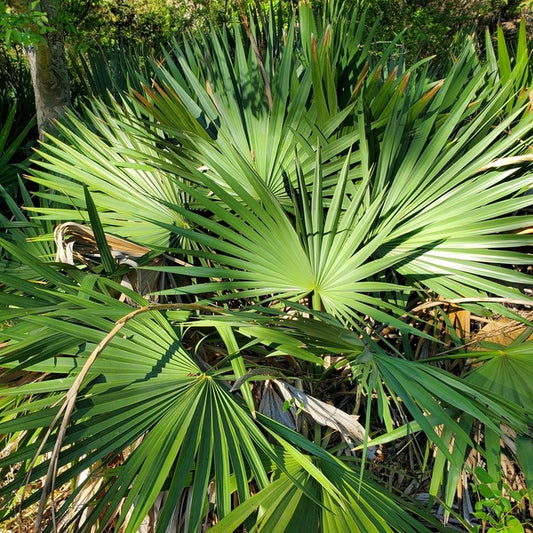
Sabal minor 'Rebecca Creek'
Item #: 18029
Zones: 6b to 10b, possibly colder
Dormancy: Evergreen
Height: 72" tall
Culture: Sun to Light Shade
Origin: United States
Pot Size: 3.5" pot (24 fl. oz/0.7 L)
Regular price $28.00Regular priceUnit price per -
Sabal minor var. louisiana
Item #: 5175
Zones: 7a to 10b
Dormancy: Evergreen
Height: 144" tall
Culture: Sun to Part Sun
Origin: United States
Pot Size: 3.5" pot (24 fl. oz/0.7 L)
Regular price $30.00Regular priceUnit price per -
Sabal palmetto 'Bald Head'
Item #: 15745
Zones: 7b to 10b
Dormancy: Evergreen
Height: 360" tall
Culture: Sun to Part Sun
Origin: United States
Pot Size: 3.5" pot (24 fl. oz/0.7 L)
Regular price $28.00Regular priceUnit price per -
Sabal tamaulipensis
Item #: 6222
Zones: 7b to 10b, at least
Dormancy: Evergreen
Height: 96" tall
Culture: Sun to Light Shade
Origin: Mexico
Pot Size: 3.5" pot (24 fl. oz/0.7 L)
Regular price $30.00Regular priceUnit price per -
 Sold out
Trachycarpus fortunei 'Bulgaria'
Item #: 4250
Zones: 7b to 10b, possibly colder
Dormancy: Evergreen
Height: 240" tall
Culture: Sun to Part Sun
Origin: China
Pot Size: 3.5" pot (24 fl. oz/0.7 L)
Regular price $30.00Regular priceUnit price per -
Trachycarpus fortunei 'Dwarf Delights'
Item #: 16072
Zones: 7b to 10b
Dormancy: Evergreen
Height: 216" tall
Culture: Sun to Part Sun
Origin: China
Pot Size: 3.5" pot (24 fl. oz/0.7 L)
Regular price $30.00Regular priceUnit price per -
Trachycarpus fortunei 'Taylor'
Item #: 3880
Zones: 7b to 10b, at least
Dormancy: Evergreen
Height: 360" tall
Culture: Sun to Part Sun
Origin: China
Pot Size: 3.5" pot (24 fl. oz/0.7 L)
Regular price $30.00Regular priceUnit price per -
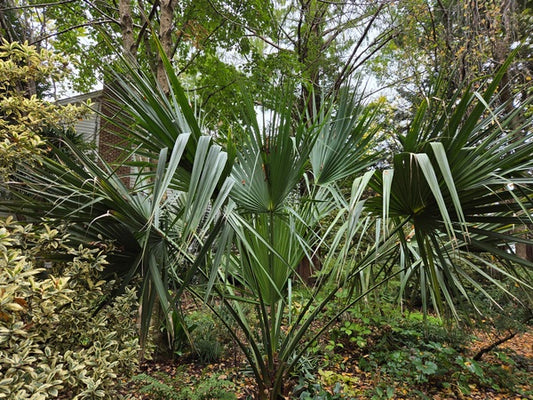
Trachycarpus fortunei 'Wagnerianus'
Item #: 4903
Zones: 7a to 9b
Dormancy: Evergreen
Height: 240" tall
Culture: Sun to Part Sun
Origin: Unknown
Pot Size: 3.5" pot (24 fl. oz/0.7 L)
Regular price $30.00Regular priceUnit price per










More Information About Hardy Palms and Cycads
We are continually on the hunt for new cold hardy palms and hardy cycads. When we find an individual clone of hardy palm tree growing in a particularly cold climate, we do what all good plant nurseries do, we propagate it for our plant catalog! There is no reason why gardeners in Tennessee or Virginia cannot have a cold hardy palm tree in their landscape just like a Floridian.
Cold Hardy Palm Trees
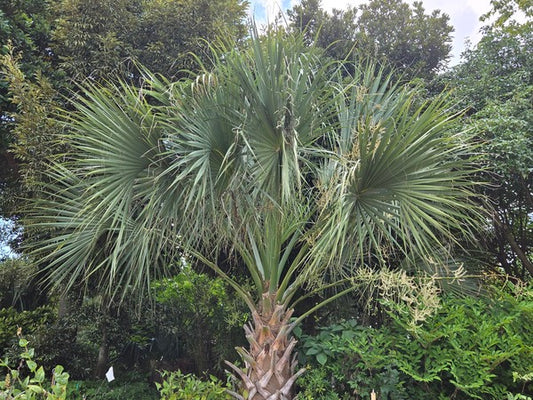
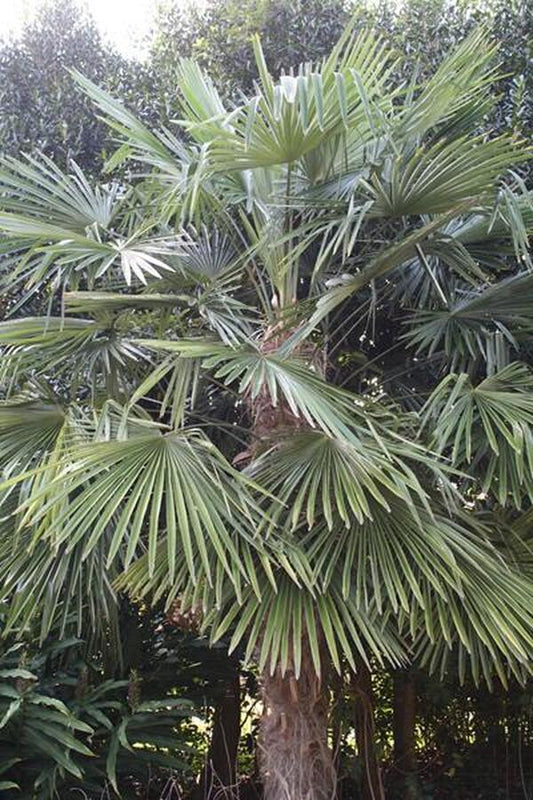
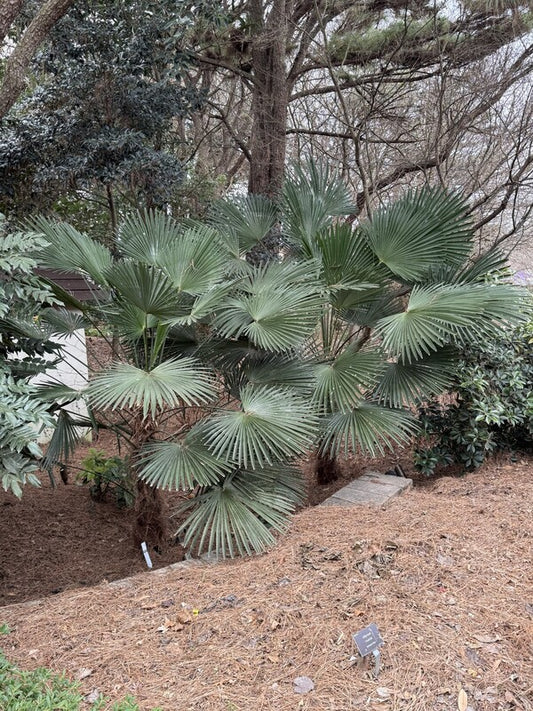
The hardiest palm trees belong to the genus Sabal (palmetto palm), a North American native and genus Trachycarpus (windmill palm), native primarily to Asia. Sabal minor is a ubiquitous cold hardy palm in the Southeastern United States and does equally well in sun or shade, wet or dry soils, and provides a tropical feel to your garden all year long. Sabal minor ‘McCurtain’ is an excellent and very vigorous and hardy evergreen palm that is cold hardy to USDA Zone 6b, possibly colder. Trachycarpus fortunei ‘Wagnerianus’ is a winter hardy windmill palm that can reach 20’ tall and is a rather vigorous grower in full sun and clay-based soils. Other cold hardy cycads include; ceratozamia, cycas, dioon, encephalartos, macrozamia, and zamia. For the best chances of winter survival, grow your small palm as a houseplant for a few seasons before planting in the garden, especially if you are in a marginal climate. If you have to plant in the ground, be sure to start as early as possible in the growing season and mulch heavily during winter for the first few seasons.
Companion Plants
Try pairing cold hardy palms with other tropical looking plants like colocasia, musa banana, zingiber mioga, and hedychium.
Propagation
Most hardy palms are propagated by seed. Palm trees can be either monoicous (single house) or dioicous (double house). Monoicous palms have both sexes on one plant so will produce seed on their own while dioicous palms will require you to plant at least three palm plants for the best chances of producing seeds. Palm seeds usually ripen in early winter and generally do not do well if stored so plant as soon as possible.
When you're ready to try some cold hardy palm trees or hardy cycads for your temperate garden, we hope you'll check out our hardy palms for sale.
Additional Palm and Cycad Resources:
Plant Profile: Sabal minor (Scrub Palmetto Palm)
Tony expounds on the amazing native North Carolina scrub palmetto, Sabal minor, and why you should give this hardy palm a try.
Cold Hardy Palms for Temperate Gardens
This in-depth article discusses palms that we have found to be winter hardy in Zone 7b/8a, plus some that were touted as winter hardy and proved to be less so.
Hardy Palms - Cold Weather Survival Report
Tony reports on the hardiness of various palm species grown here at Plant Delights Nursery at Juniper Level Botanical Garden.
There are also plenty of palm related blog posts over at the JLBG.org blog.
Gardening Unplugged - Establishing Tropical Plants
In this episode of our on-going Gardening Unplugged series, you will get a glimpse of some the cold hardy palms and learn some tips on how to make sure they are well established before the cold temps arrive.