
Many perennials can also be considered groundcovers. Certainly, low-growing spreading plants are groundcovers but so are clumping, non-spreading plants that look nice when grown in large groups. Check out our huge selection of the best groundcovers for shade or sun. Low maintenance and tough!
-
Achillea coarctata
Item #: 16084
Zones: 6a to 8b, guessing
Dormancy: Winter
Height: 15" tall
Culture: Sun
Origin: Balkans, Croatia, Greece, Hungary, Moldova, Romania, Serbia, Turkey, Ukraine
Pot Size: 3.5" pot (24 fl. oz/0.7 L)
Regular price $22.00Regular priceUnit price per -
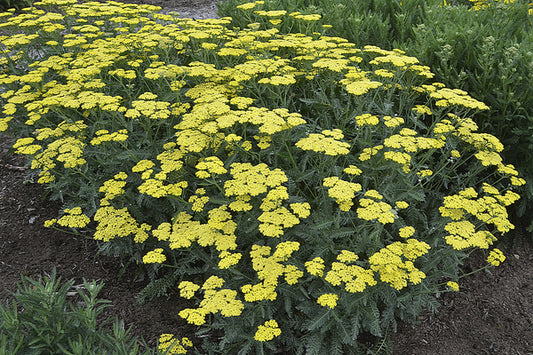
Achillea 'Sassy Summer Lemon' PP 31,693
Item #: 13577
Zones: 5a to 8b, possibly much colder
Dormancy: Winter
Height: 28" tall
Culture: Sun
Origin: Hybrid
Pot Size: 3.5" pot (24 fl. oz/0.7 L)
Regular price $20.00Regular priceUnit price per -
Achillea 'Sassy Summer Taffy' PP 31,755
Item #: 13575
Zones: 5a to 8b, possibly much colder
Dormancy: Winter
Height: 32" tall
Culture: Sun
Origin: Hybrid
Pot Size: 3.5" pot (24 fl. oz/0.7 L)
Regular price $20.00Regular priceUnit price per -
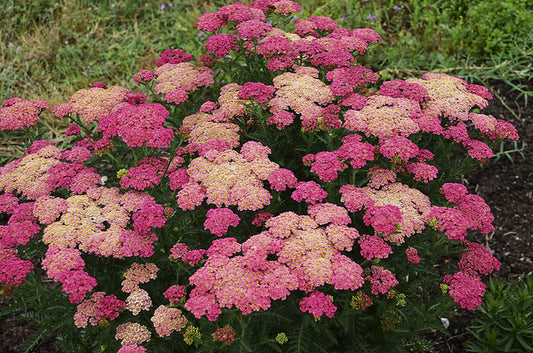
Achillea 'Strawberry Seduction' PP 18,401
Item #: 9200
Zones: 3a to 8b
Dormancy: Winter
Height: 24" tall
Culture: Sun
Origin: Hybrid
Pot Size: 3.5" pot (24 fl. oz/0.7 L)
Regular price $20.00Regular priceUnit price per -
Achimenes 'Harry Williams'
Item #: 6169
Zones: 7b to 10b
Dormancy: Winter, Spring
Height: 12" tall
Culture: Part Sun to Light Shade
Origin: Hybrid
Pot Size: 3.5" pot (24 fl. oz/0.7 L)
Regular price $22.00Regular priceUnit price per -
Acorus gramineus 'Ogon'
Item #: 369
Zones: 5a to 9b
Dormancy: Evergreen
Height: 12" tall
Culture: Part Sun to Light Shade
Origin: China, Japan
Pot Size: 3.5" pot (24 fl. oz/0.7 L)
Regular price $22.00Regular priceUnit price per -
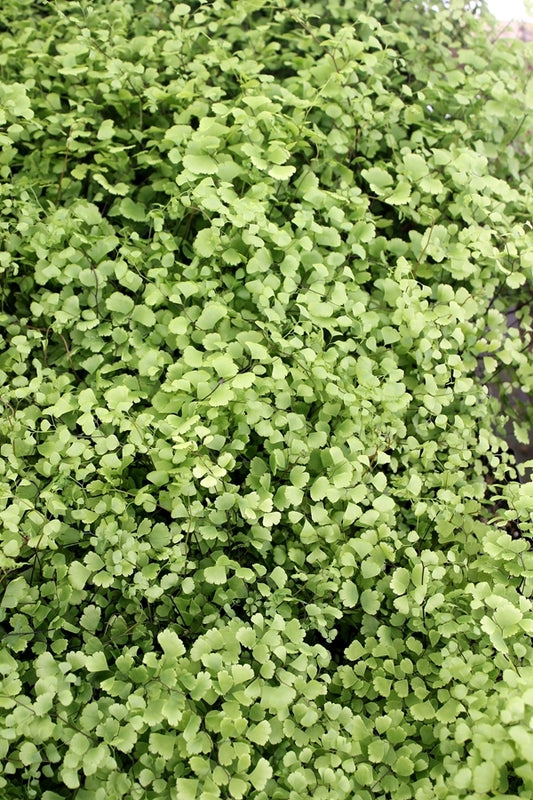
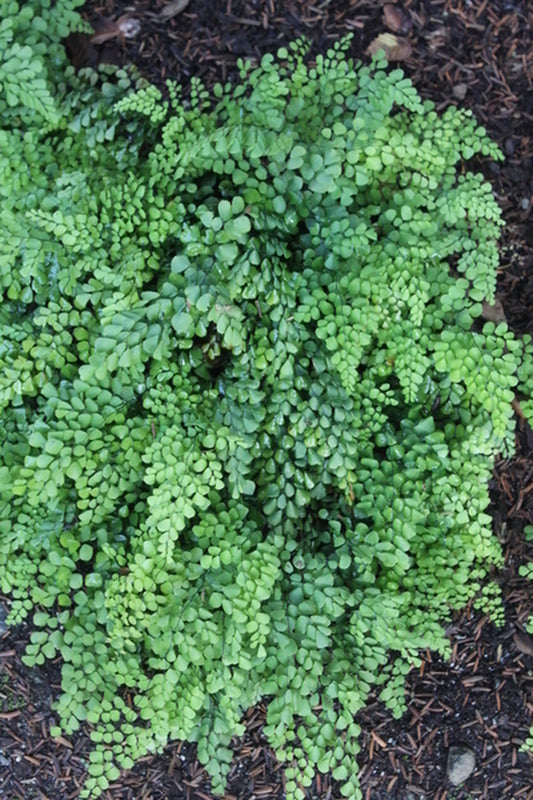
Adiantum x mairisii
Item #: 4799
Zones: 6a to 9b
Dormancy: Winter
Height: 20" tall
Culture: Part Sun to Light Shade
Origin: Hybrid
Pot Size: 3.5" pot (24 fl. oz/0.7 L)
Regular price $23.00Regular priceUnit price per -
Adiantum venustum
Item #: 3658
Zones: 4b to 8a
Dormancy: Evergreen
Height: 6" tall
Culture: Part Sun to Light Shade
Origin: China
Pot Size: 3.5" pot (24 fl. oz/0.7 L)
Regular price $23.00Regular priceUnit price per
-
Agave x amourifolia 'Twisted Tongue'
Item #: 13065
Zones: 7b to 10b, at least
Dormancy: Evergreen
Height: 36" tall
Culture: Sun
Origin: Hybrid
Pot Size: 3.5" pot (24 fl. oz/0.7 L)
Regular price $35.00Regular priceUnit price per -
Agave bracteosa 'Daddy Longlegs'
Item #: 1922
Zones: 7b to 10b
Dormancy: Evergreen
Height: 18" tall
Culture: Sun to Part Sun
Origin: Mexico
Pot Size: 3.5" pot (24 fl. oz/0.7 L)
Regular price $32.00Regular priceUnit price per -
Agave x loferox 'A Step Above'
Item #: 17601
Zones: 7b to 10b, at least
Dormancy: Evergreen
Height: 36" tall
Culture: Sun
Origin: Hybrid
Pot Size: 3.5" pot (24 fl. oz/0.7 L)
Regular price $36.00Regular priceUnit price per -
Agave x loferox 'Sunshine Superman'
Item #: 14370
Zones: 7b to 10b, at least
Dormancy: Evergreen
Height: 24" tall
Culture: Sun
Origin: Hybrid
Pot Size: 3.5" pot (24 fl. oz/0.7 L)
Regular price $50.00Regular priceUnit price per -
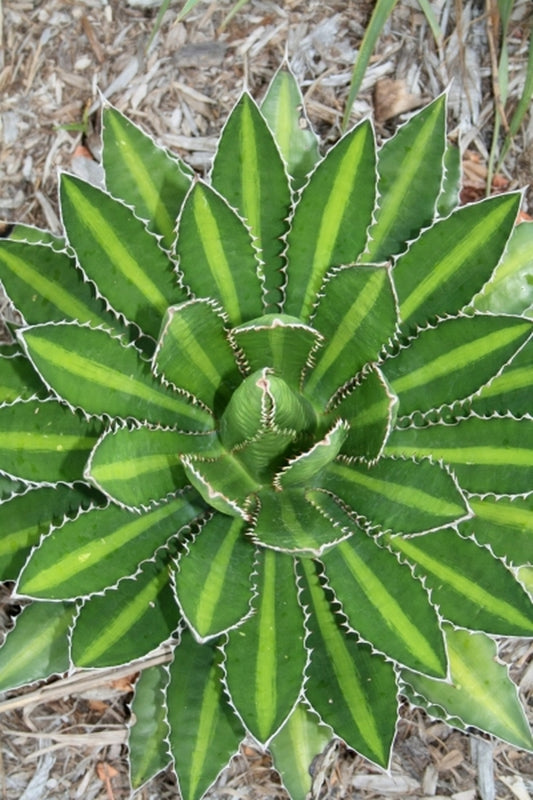
Agave lophantha 'La Bufa Baby'
Item #: 12722
Zones: 7b to 10b, at least
Dormancy: Evergreen
Height: 12" tall
Culture: Sun
Origin: Mexico
Pot Size: 3.5" pot (24 fl. oz/0.7 L)
Regular price $30.00Regular priceUnit price per -
Agave lophantha 'Splendida'
Item #: 8014
Zones: 7b to 10b, at least
Dormancy: Evergreen
Height: 11" tall
Culture: Sun
Origin: Mexico
Pot Size: 3.5" pot (24 fl. oz/0.7 L)
Regular price $31.00Regular priceUnit price per -
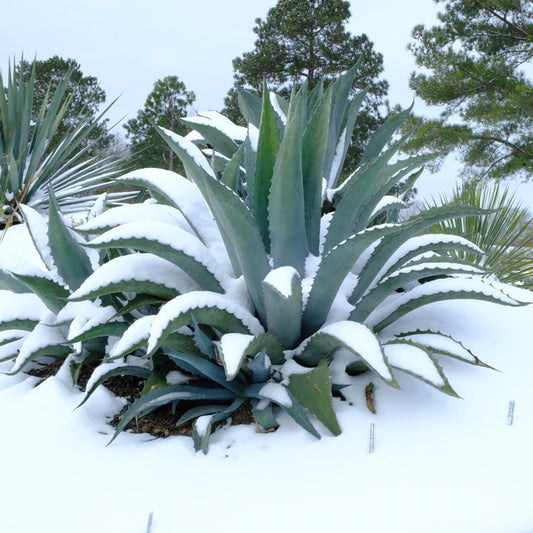
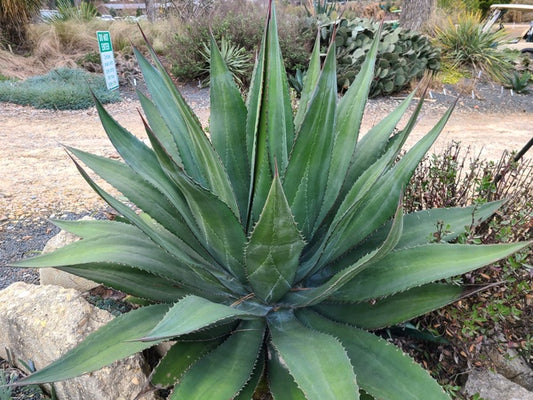
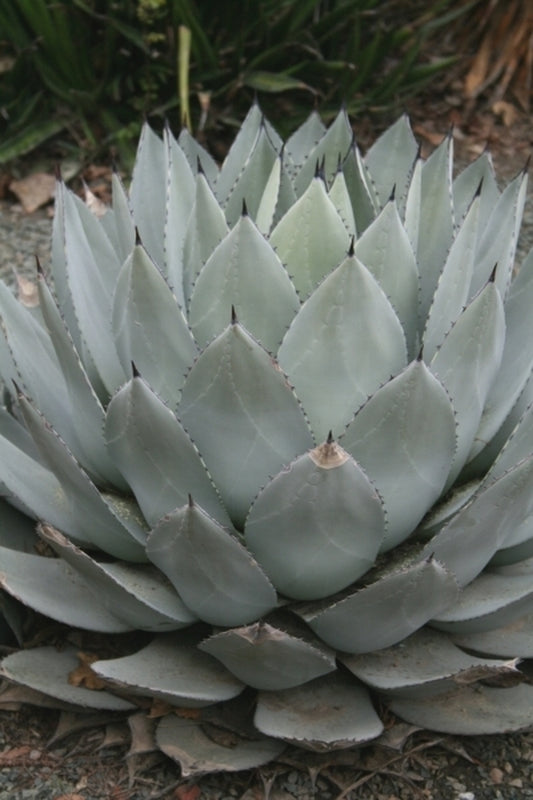
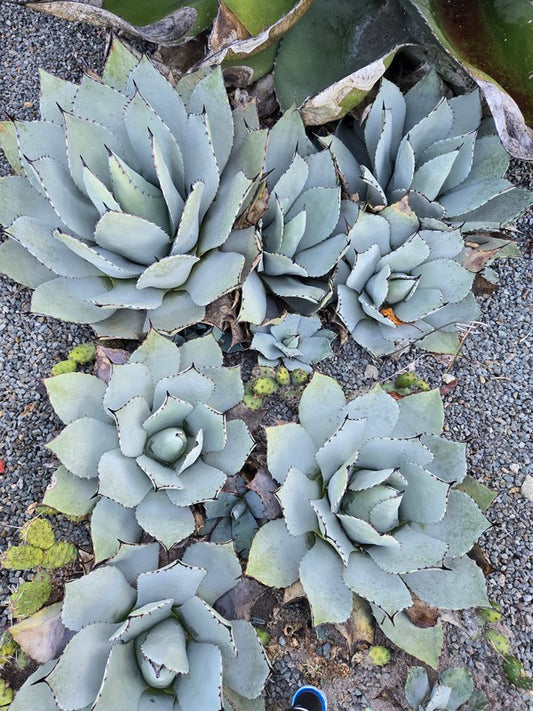
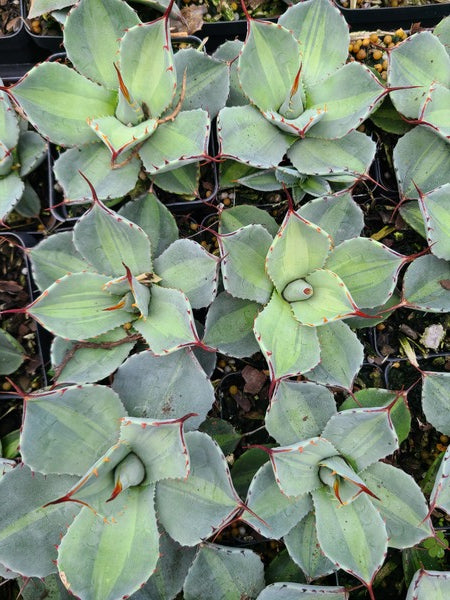
Agave parryi 'Border Guard'
Item #: 2948
Zones: 7b to 9b, possibly colder
Dormancy: Evergreen
Height: 24" tall
Culture: Sun
Origin: United States
Pot Size: 3.5" pot (24 fl. oz/0.7 L)
Regular price $32.00Regular priceUnit price per -
Agave parryi 'J.C. Raulston'
Item #: 8152
Zones: 7a to 9b, possibly colder
Dormancy: Evergreen
Height: 24" tall
Culture: Sun
Origin: United States
Pot Size: 3.5" pot (24 fl. oz/0.7 L)
Regular price $32.00Regular priceUnit price per -
Agave parryi 'J.C.'s Shadow'
Item #: 12152
Zones: 7b to 9b, possibly colder
Dormancy: Evergreen
Height: 12" tall
Culture: Sun
Origin: United States
Pot Size: 3.5" pot (24 fl. oz/0.7 L)
Regular price $32.00Regular priceUnit price per -
Agave parryi ssp. huachucensis 'Desert Delight'
Item #: 10038
Zones: 7b to 9b, possibly colder
Dormancy: Evergreen
Height: 6" tall
Culture: Sun
Origin: Mexico, United States
Pot Size: 3.5" pot (24 fl. oz/0.7 L)
Regular price $29.00Regular priceUnit price per -
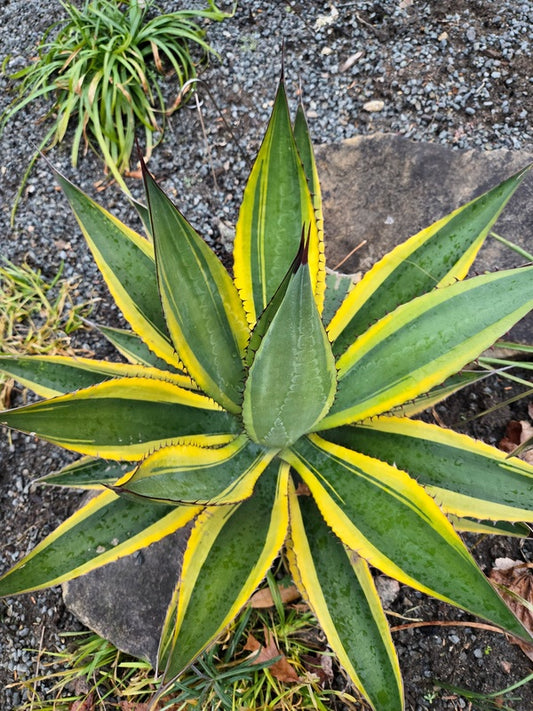
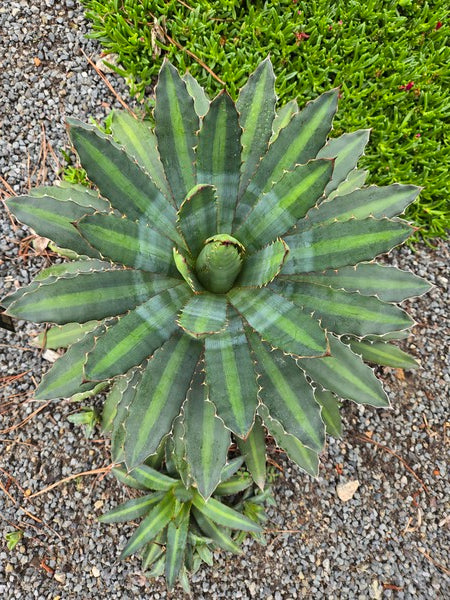
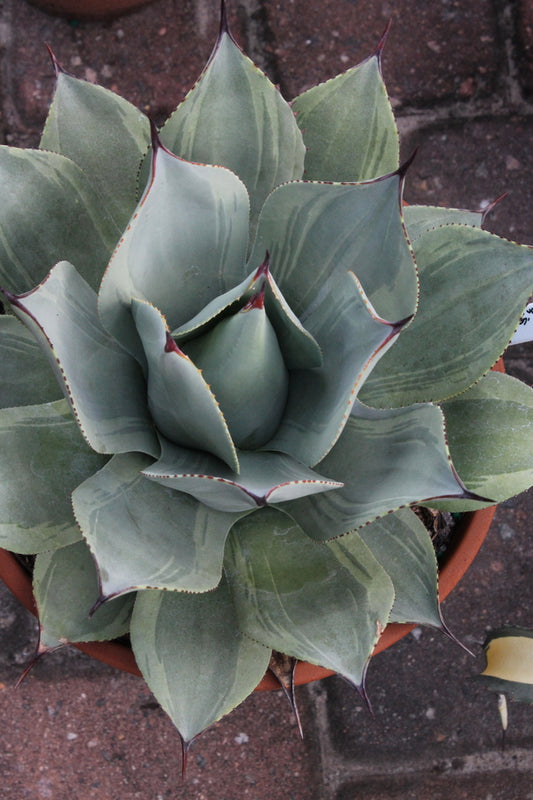
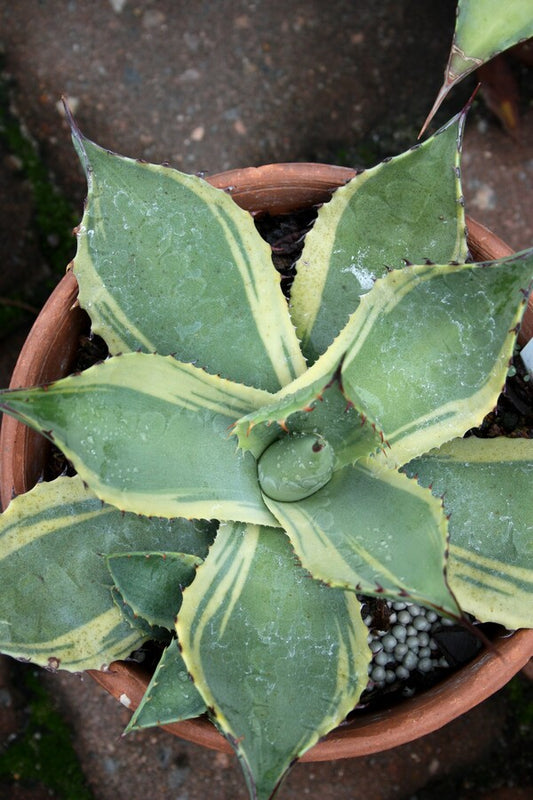
Agave parryi ssp. parryi 'Lucky Stripe'
Item #: 9526
Zones: 8b to 10b, probably colder
Dormancy: Evergreen
Height: 10" tall
Culture: Sun to Part Sun
Origin: United States
Pot Size: 3.5" pot (24 fl. oz/0.7 L)
Regular price $75.00Regular priceUnit price per -
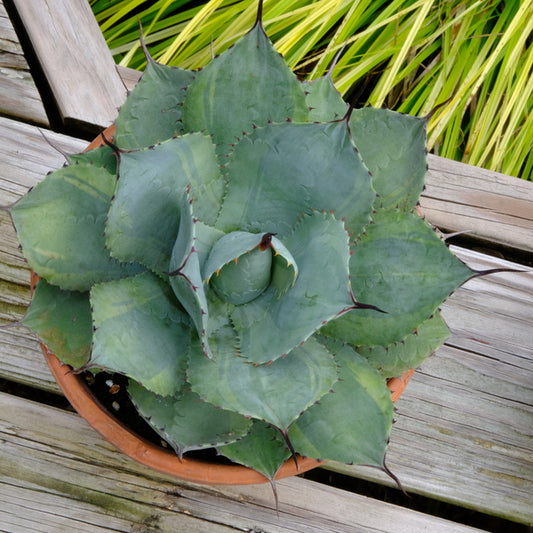
Agave parryi ssp. truncata 'Hardy Boyz'
Item #: 17437
Zones: 7b to 9b, at least
Dormancy: Evergreen
Height: 18" tall
Culture: Sun
Origin: Mexico
Pot Size: 3.5" pot (24 fl. oz/0.7 L)
Regular price $32.00Regular priceUnit price per -
Agave parryi ssp. truncata 'Jackpot'
Item #: 11936
Zones: 9a to 11, at least
Dormancy: Evergreen
Height: 12" tall
Culture: Sun
Origin: Mexico
Pot Size: 3.5" pot (24 fl. oz/0.7 L)
Regular price $39.00Regular priceUnit price per -
Agave parryi ssp. truncata 'Monet Moment'
Item #: 10039
Zones: 9a to 11, at least
Dormancy: Evergreen
Height: 12" tall
Culture: Sun
Origin: Mexico
Pot Size: 3.5" pot (24 fl. oz/0.7 L)
Regular price $39.00Regular priceUnit price per -
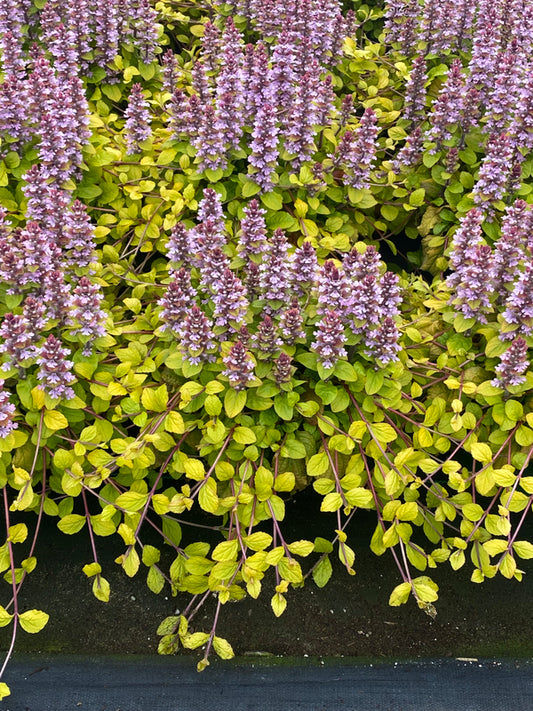
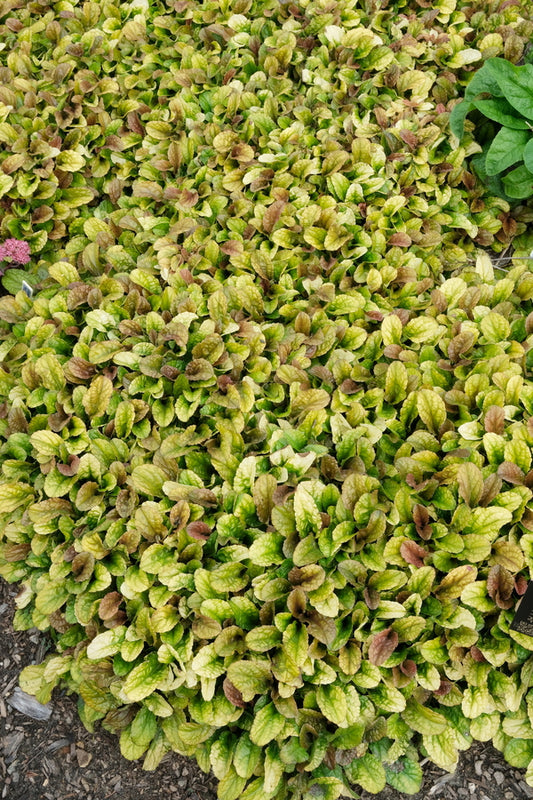
Ajuga 'Flashy Flamingo' PPAF
Item #: 18121
Zones: 4a to 8b
Dormancy: Evergreen
Height: 3" tall
Culture: Part Sun to Light Shade
Origin: Hybrid
Pot Size: 3.5" pot (24 fl. oz/0.7 L)
Regular price $19.00Regular priceUnit price per -
Ajuga 'Parrot Paradise'
Item #: 16733
Zones: 4a to 9b
Dormancy: Evergreen
Height: 3" tall
Culture: Part Sun to Light Shade
Origin: Europe, Hybrid
Pot Size: 3.5" pot (24 fl. oz/0.7 L)
Regular price $19.00Regular priceUnit price per








More Information About Groundcovers
What Is a Groundcover Plant?
There are a lot of plants can be considered perennial groundcovers. Certainly, low-growing spreading plants are groundcovers but so are clumping, non-spreading plants that look nice when grown in large groups. Flowering groundcovers cover large open areas of garden, help prevent erosion, suppress weeds, reduce soil water loss through evaporation, and with proper plant selection, they look great while doing it. Plus, they reduce your need for mulch, which is nice because who likes spreading mulch all over the place every year?
Garden Design With Ground Cover Perennials
- Flowering ground cover plants are an interesting alternative to conventional lawns if you do not walk on them too often.
- In woodland areas, where turf will not grow, you should use ground covers for shade.
- You can grow ground covers in between patio pavers and along paths and over the tops of stone walls to soften the edges of the stones.
- Hill sides that are hard to access and tough to maintain should be planted with ground cover perennials to minimize erosion and still look manicured. Especially drought tolerant groundcovers.
- In open spaces try growing taller flowering perennials that push up through your ground covers for a two-layered effect.
What Are the Best Ground Cover Perennials?
If all you can find at your local garden center are the ubiquitous vincas and ivies, check out our rare and unique perennials that make good tough ground cover plants. Below are some ground covers that we especially like.
Best Ground Covers for Shade:
- Carex - Evergreen ground cover for shade with grassy texture. several variegated forms to choose from.
- Hardy ferns - Shade ground cover with great texture for the shade garden.
- Woodland phlox - Beautiful blue flowers in spring. Spreads around by seed into a groundcover for shade.
- Ophiopogon (mondo grasses) - Dwarf varieties are great in-between pavers.
- Hosta - Always a classic ground cover for shade!
Best Ground Covers for Sun
- Dianthus (carnation) - Blue foliage (some varieties) and colorful, clove scented flowers.
- Sedum (stonecrop) - Drought tolerant succulent looks great draping over walls. We love sedum as a ground cover.
- Liriope (monkey grass) - Tough as nails and easy to maintain. Great, drought-tolerant ground cover for sun, part-sun, or shade.
- Verbena (vervain) - Fantastic hardy perennial and flowering ground cover that attracts butterflies.
- Delosperma (ice plant) - Colorful flowering ground cover succulent that is hard to beat as a full sun ground cover.
- Muhlenbergia (muhly grass) - Fine textured ornamental grass that is tough, dear resistant, and looks great growing in mass.
- Laurentia (blue star creeper) - Low growing, herbaceous ground cover with teeny tiny leaves topped with teeny tiny blue flowers...cute as a button.
Be sure to check out our many blog posts about groundcovers at the Juniper Level Botanic Garden blog.