

An outdoor fern is perfect for the shady woodland garden and we have the largest hardy ferns collection in the world. We offer many exotic varieties (sun ferns, rare ferns) and the best North American native ferns, most grown from our own nursery- and garden-collected spores. Check out our tips on how to grow fern plants below.
-
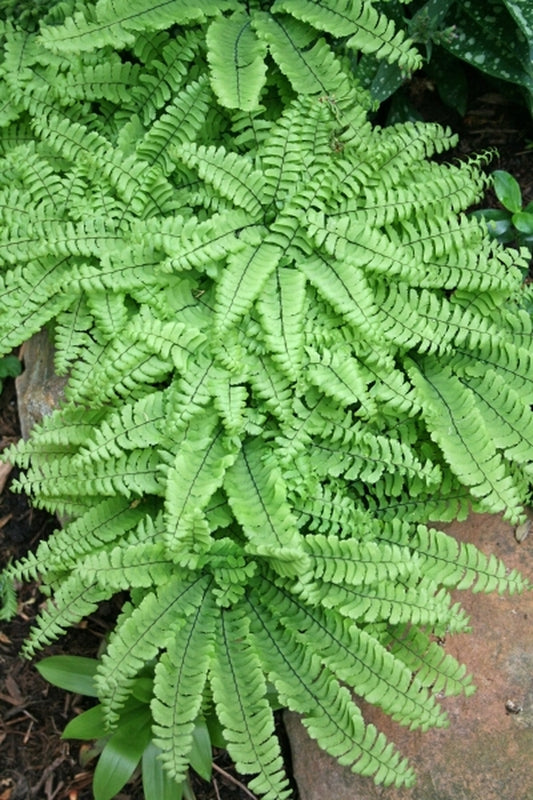
Adiantum aleuticum 'Imbricatum'
Item #: 9827
Zones: 3a to 8b
Dormancy: Winter
Height: 10" tall
Culture: Part Sun to Light Shade
Origin: United States
Pot Size: 3.5" pot (24 fl. oz/0.7 L)
Regular price $23.00Regular priceUnit price per -
 Sold out
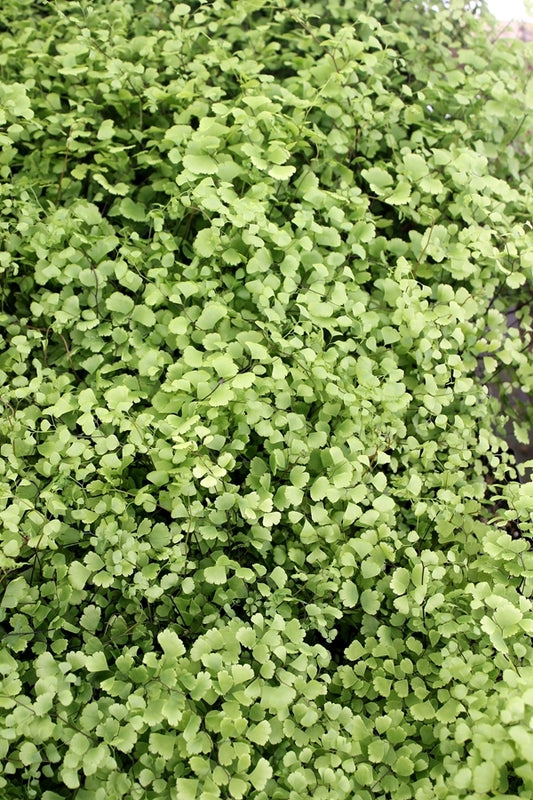
Adiantum hispidulum 'Mt. Haleakala'
Item #: 5934
Zones: 7b to 10b
Dormancy: Evergreen
Height: 12" tall
Culture: Part Sun to Light Shade
Origin: United States
Pot Size: 3.5" pot (24 fl. oz/0.7 L)
Regular price $23.00Regular priceUnit price per Next crop available: 07/24/2026Sold out
 -
Adiantum x mairisii
Item #: 4799
Zones: 6a to 9b
Dormancy: Winter
Height: 20" tall
Culture: Part Sun to Light Shade
Origin: Hybrid
Pot Size: 3.5" pot (24 fl. oz/0.7 L)
Regular price $23.00Regular priceUnit price per -
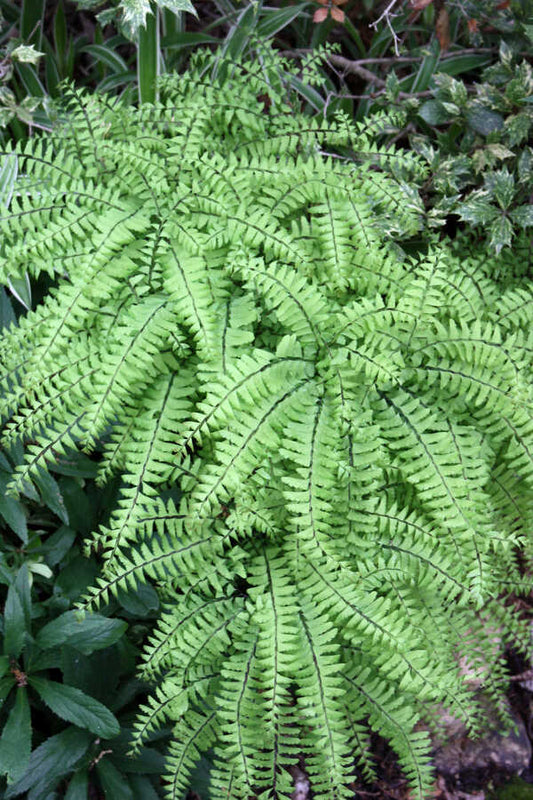
Adiantum pedatum
Item #: 320
Zones: 3a to 8b
Dormancy: Winter
Height: 24" tall
Culture: Part Sun to Light Shade
Origin: Canada, United States
Pot Size: 3.5" pot (24 fl. oz/0.7 L)
Regular price $23.00Regular priceUnit price per -
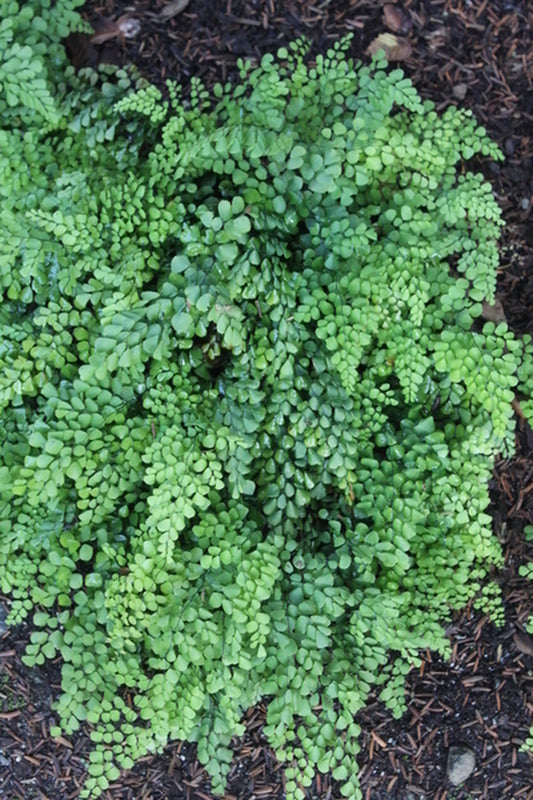
Adiantum venustum
Item #: 3658
Zones: 4b to 8a
Dormancy: Evergreen
Height: 6" tall
Culture: Part Sun to Light Shade
Origin: China
Pot Size: 3.5" pot (24 fl. oz/0.7 L)
Regular price $23.00Regular priceUnit price per -
Arachniodes miqueliana
Item #: 5521
Zones: 5a to 8a, at least
Dormancy: Winter
Height: 18" tall
Culture: Light Shade
Origin: China, Japan, Korea
Pot Size: 3.5" pot (24 fl. oz/0.7 L)
Regular price $23.00Regular priceUnit price per -
Arachniodes simplicior 'Variegata'
Item #: 1428
Zones: 7a to 9b, possibly colder
Dormancy: Evergreen
Height: 18" tall
Culture: Light Shade
Origin: China, Japan, Korea, Tibet, Vietnam
Pot Size: 3.5" pot (24 fl. oz/0.7 L)
Regular price $24.00Regular priceUnit price per -
Arachniodes standishii
Item #: 6234
Zones: 4a to 8b
Dormancy: Winter
Height: 18" tall
Culture: Light Shade
Origin: China, Japan, Korea
Pot Size: 3.5" pot (24 fl. oz/0.7 L)
Regular price $25.00Regular priceUnit price per -
Arachniodes standishii 'Mt. Daisen'
Item #: 16902
Zones: 4a to 8b
Dormancy: Winter
Height: 18" tall
Culture: Light Shade
Origin: China, Japan, Korea
Pot Size: 3.5" pot (24 fl. oz/0.7 L)
Regular price $26.00Regular priceUnit price per -
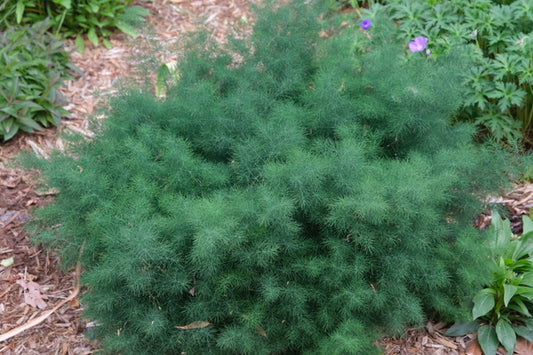
Asparagus cochinchinensis 'Graham's Cracker'
Item #: 2154
Zones: 5a to 10b
Dormancy: Winter
Height: 15" tall
Culture: Sun to Part Sun
Origin: Cambodia, China, Japan, Korea, Laos, Philippines, Taiwan, Tibet, Vietnam
Pot Size: 3.5" pot (24 fl. oz/0.7 L)
Regular price $24.00Regular priceUnit price per -
Asparagus tenuifolius 'Vodice'
Item #: 18109
Zones: 5a to 10b
Dormancy: Winter
Height: 12" tall
Culture: Sun to Part Sun
Origin: Albania, Austria, Balkans, Bulgaria, France, Greece, Italy, Romania, Switzerland, Turkey, Ukraine
Pot Size: 3.5" pot (24 fl. oz/0.7 L)
Regular price $25.00Regular priceUnit price per -
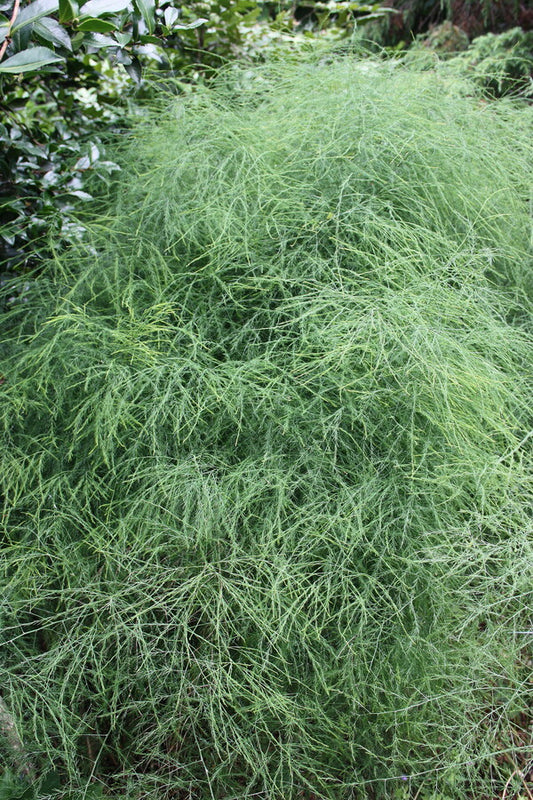
Asparagus virgatus
Item #: 4033
Zones: 7b to 10b, possibly colder
Dormancy: Winter
Height: 36" tall
Culture: Sun to Part Sun
Origin: South Africa
Pot Size: 3.5" pot (24 fl. oz/0.7 L)
Regular price $25.00Regular priceUnit price per -
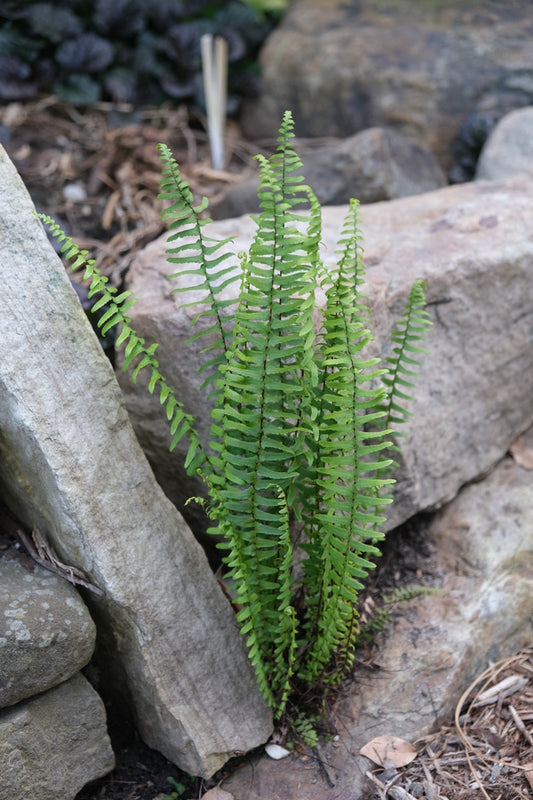
Asplenium platyneuron 'Brunswick Giant'
Item #: 5226
Zones: 3a to 8b
Dormancy: Evergreen
Height: 18" tall
Culture: Part Sun to Shade
Origin: United States
Pot Size: 3.5" pot (24 fl. oz/0.7 L)
Regular price $22.00Regular priceUnit price per -
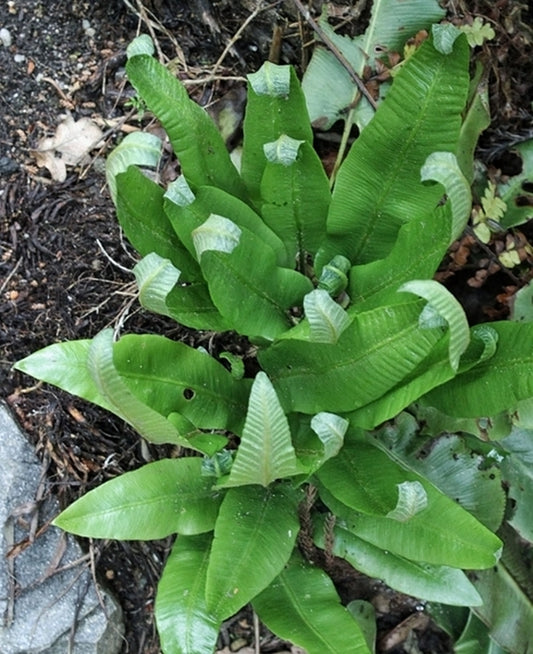
Asplenium scolopendrium 'Hokkaido Gem'
Item #: 10013
Zones: 5a to 7b, guessing
Dormancy: Evergreen
Height: 12" tall
Culture: Part Sun to Light Shade
Origin: Japan
Pot Size: 3.5" pot (24 fl. oz/0.7 L)
Regular price $23.00Regular priceUnit price per -
Asplenium tutwilerae
Item #: 5360
Zones: 5a to 8b
Dormancy: Evergreen
Height: 6" tall
Culture: Light Shade
Origin: United States
Pot Size: 3.5" pot (24 fl. oz/0.7 L)
Regular price $23.00Regular priceUnit price per -
Astrolepis sinuata
Item #: 3763
Zones: 7a to 9b, at least
Dormancy: Evergreen
Height: 12" tall
Culture: Sun to Part Sun
Origin: United States
Pot Size: 3.5" pot (24 fl. oz/0.7 L)
Regular price $23.00Regular priceUnit price per -
Astrolepis sinuata 'Jeff Davis'
Item #: 5675
Zones: 7b to 9b, at least
Dormancy: Evergreen
Height: 15" tall
Culture: Sun to Part Sun
Origin: United States
Pot Size: 3.5" pot (24 fl. oz/0.7 L)
Regular price $24.00Regular priceUnit price per -
Astrolepis sinuata 'Parker Creek'
Item #: 7066
Zones: 7b to 9b, at least
Dormancy: Evergreen
Height: 12" tall
Culture: Sun to Part Sun
Origin: Mexico, United States
Pot Size: 3.5" pot (24 fl. oz/0.7 L)
Regular price $24.00Regular priceUnit price per -
Athyrium 'Branford Beauty'
Item #: 3662
Zones: 3a to 8b
Dormancy: Winter
Height: 36" tall
Culture: Part Sun to Light Shade
Origin: Hybrid
Pot Size: 3.5" pot (24 fl. oz/0.7 L)
Regular price $23.00Regular priceUnit price per -
Athyrium filix-femina
Item #: 2260
Zones: 3a to 8b
Dormancy: Winter
Height: 36" tall
Culture: Part Sun to Shade
Origin: Europe, United States
Pot Size: 3.5" pot (24 fl. oz/0.7 L)
Regular price $21.00Regular priceUnit price per -
 Sold out
Athyrium filix-femina 'Lady in Red'
Item #: 4968
Zones: 3a to 8b
Dormancy: Winter
Height: 20" tall
Culture: Part Sun to Light Shade
Origin: United States
Pot Size: 3.5" pot (24 fl. oz/0.7 L)
Regular price $22.00Regular priceUnit price per -
Athyrium filix-femina 'Victoriae'
Item #: 2361
Zones: 3a to 8b
Dormancy: Winter
Height: 18" tall
Culture: Part Sun to Light Shade
Origin: Europe, United States
Pot Size: 3.5" pot (24 fl. oz/0.7 L)
Regular price $23.00Regular priceUnit price per -
Athyrium 'Ghost'
Item #: 3881
Zones: 3a to 8b
Dormancy: Winter
Height: 30" tall
Culture: Part Sun to Light Shade
Origin: Hybrid
Pot Size: 3.5" pot (24 fl. oz/0.7 L)
Regular price $23.00Regular priceUnit price per -
Athyrium 'Godzilla'
Item #: 8169
Zones: 5a to 8b
Dormancy: Winter
Height: 36" tall
Culture: Part Sun to Light Shade
Origin: Hybrid
Pot Size: 3.5" pot (24 fl. oz/0.7 L)
Regular price $23.00Regular priceUnit price per


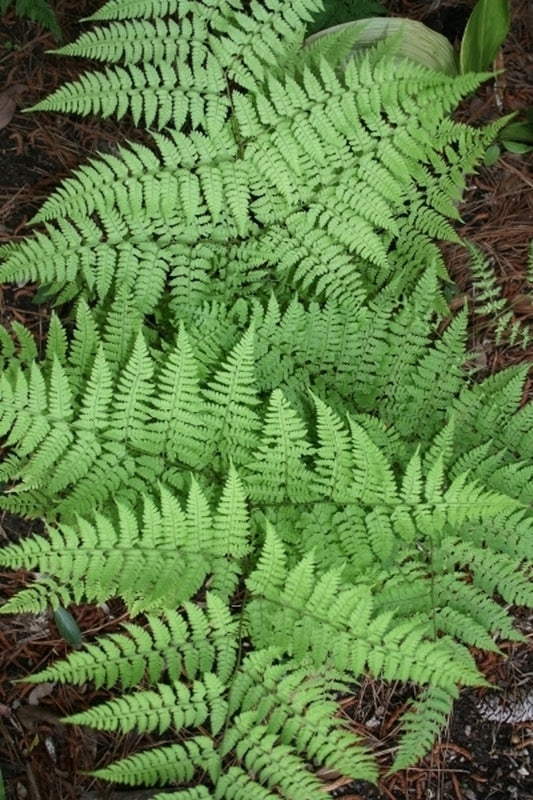

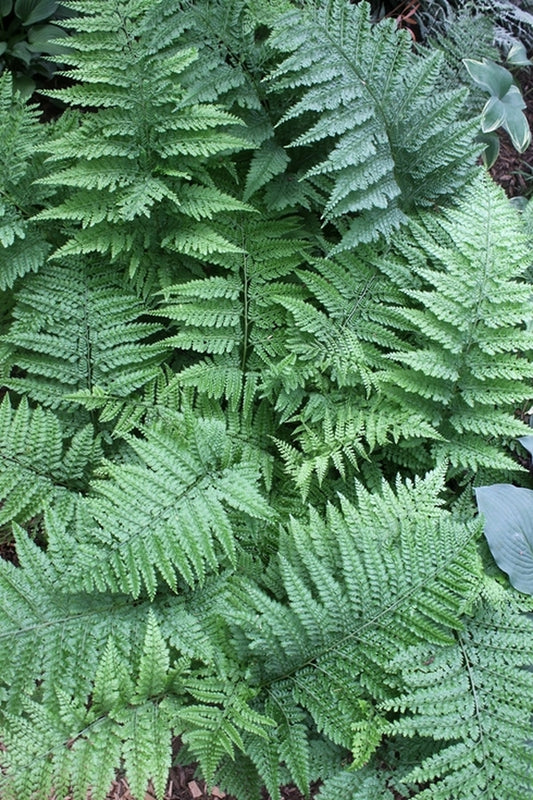
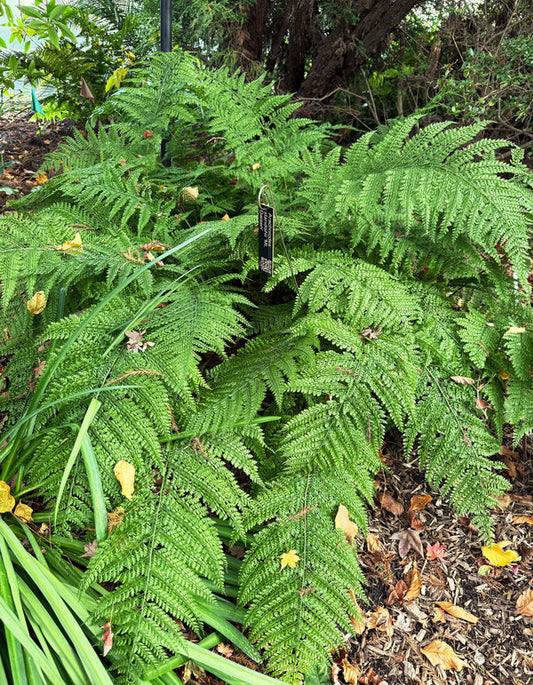
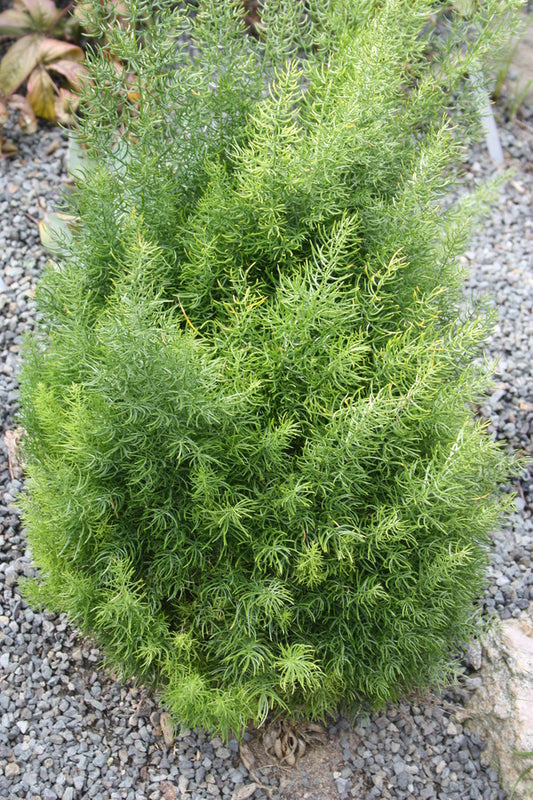





More Information About Ferns and Allies
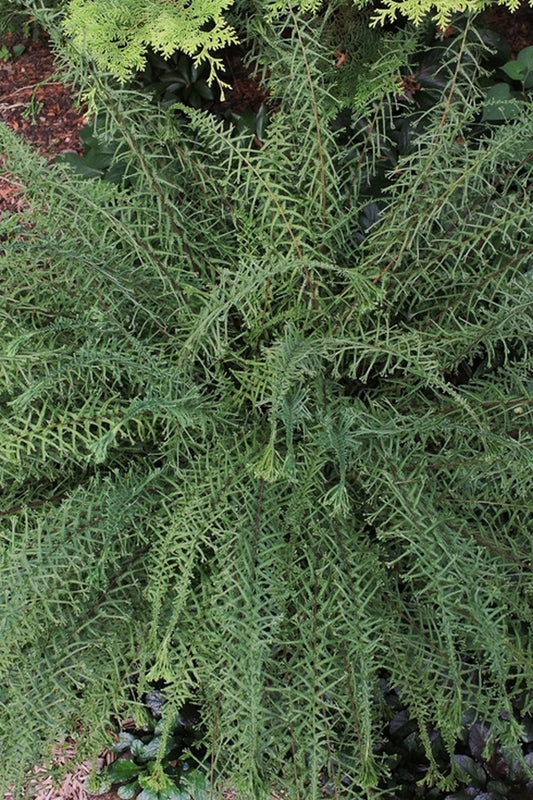
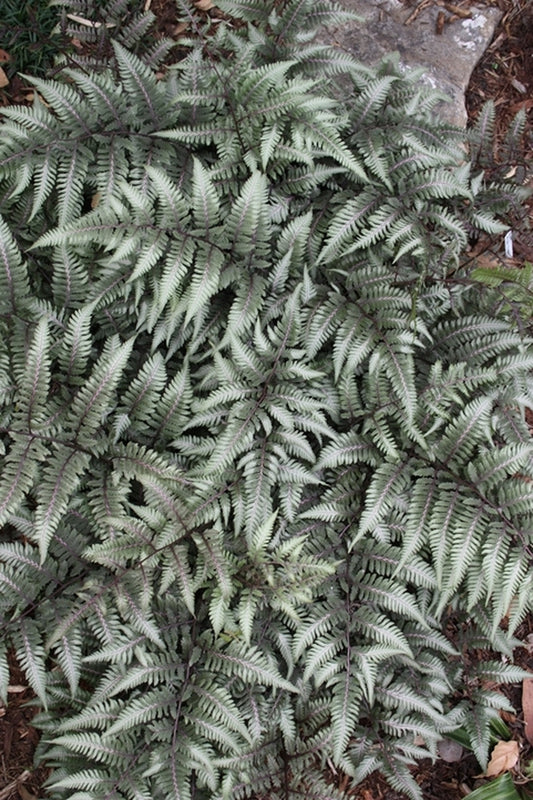
If you are looking for a fern plant, Plant Delights Nursery has a large selection of deer resistant ferns native from North America to Asia. In fact, our garden has the most diverse collection of outdoor ferns in the world (1,000 taxa) and because we grow most of our ferns from spores here at the nursery, we also have one of the largest offerings of hardy fern plants for sale in the world. We have small ferns like an 8" blechnum (Deer Fern) and large ferns like a 50" dryopteris (Autumn Fern), and all sizes in between. Our collection is so large in fact, that fern plant taxonomists at Duke University came to Plant Delights to collect and DNA barcode them all for an academic study.
Ferns and other non-flowering vascular plants (fern allies) are mostly shade loving perennials that look great in a woodland garden. Ferns for shade are perfect companions to hostas, and most hardy fern plants and fern allies are deer-resistant and thrive with consistent moisture.
But just because the plant is a fern does not automatically make it a shade plant. Some fern plants grow in full sun and are known as "dryland or sun ferns." We have several genera of dryland sun ferns including astrolepis, cheilanthes, notholaena, and pellaea.
We also carry exotic deciduous and evergreen ferns from our overseas plant hunting expeditions as well as the best native ferns...all nursery propagated. If deer are a problem, add ferns to your garden as they are great deer-resistant perennials. The wonderful architecture and muted colors of ferns make them great groundcovers as well as excellent companion plants for other native shade plants like polygonatum, heuchera, and carex. And the evergreen ferns look great all year round.
When you are ready to buy deciduous or evergreen ferns for your woodlands garden, check out our list of fern plants for sale.
Check out our article on Matteuccia struthiopteris 'The King' or Tony's many blog posts about ferns.
How to Grow Ferns
How Much Water?
Fern plants look their best with regular watering. Drought will tend to make the fronds look ratty but those can be pruned. Most fern plants are drought tolerant once established (especially the sun ferns), but a few (e.g., Sensitive fern) are not and need to be planted in a moist location to thrive.
How Much Sun?
Most fern plants are woodland plants and prefer dappled sun or partial sun but not deep shade. If they must be exposed to full sun for part of the day, then morning-time sun is better than afternoon sun. The notable exception of course are the sun ferns which prefer full baking sun in a rock garden.
Fern Soil Requirements
Most fern plants prefer compost-rich, loose soil with mulch on top. A few ferns are epiphytes (a plant that grows on another plant) and can grow in the cracks in walls, or on tree branches...notably lepisorus and pyrrosia.
Fertilizing Fern Plants
While fern plants prefer rich soil, they do not need high levels of synthetic fertilizer. Simply apply a shovel full of compost near them once a year and they will be happy.
Fern Winter Care
Do not prune your old fern fronds until very late winter (March). They will provide a winter blanket for the crown of the plant.
Ferns as House Plants
While we specialize in ferns for the garden, you can easily grow our fern plants as houseplants too. Just remember that ferns like more humidity than most houses provide so you will want to mist them daily or keep them in your bathroom near the sink or shower. If you find mealy bugs you can spray the plants with water to remove them. The best ferns for indoors are: adiantum, pteris, dryopteris, phlebodium, davallia and blechnum.
Fern Herbicide sensitivity
Ferns have shallow roots and thin skins and thus are very sensitive to spray herbicides. Even a small whiff can kill a fern, so be judicious with the Roundup around your ferns.
Propagating Ferns
Once your clump gets large enough it is very easy to divide the clump to produce more ferns. If you are careful and patient, you can also collect the spores and grow them into new ferns, but that process requires careful attention to detail takes the better part of a year to complete. Collect the spores. Remove all the chaff. Sprinkle them into a pot and keep the soil moist and the air very humid until the gametophytes form...these look like fingernail sized leaves on the soil surface. Then splash a little water on the surface of the gametophyte to allow egg and sperm to be released and to mix. Continue to keep the pot moist for several months until the baby ferns start to grow off the surface of the gametophytes. Voila! Keep an eye out for fungal rot which frequently occurs when the air is too still and humid for too long. Tricky, but do-able.
Are Ferns Edible?
Some ferns have edible parts and others are poisonous so take care. The newly growing fronds are called fiddleheads and in the spring when they are 1"-2" tall, you can harvest certain species of fern fiddleheads and steam or boil them thoroughly to break down toxins and then saute them with lemon and butter. They are considered an ephemeral spring delicacy. Try Lady fern (Athyrium filix-femina), Ostrich fern (Matteuccia struthiopteris), and Cinnamon fern (Osmunda cinnamomea) fiddleheads. The bracken fern is also edible but may be carcinogenic in high doses. Many ferns contain thiaminase so they are best cooked thoroughly to break it down and then eaten in small amounts to avoid beriberi. A few ferns have edible roots too. Polypodium glycyrrhiza from the northwest US has a root that is chewed to release a sweet licorice flavor. Several tropical ferns such as Nephrolepis cordifolia produce edible 'tubers' that are more nutritious than potatoes.