

Edimental plants are ornamental plants that are also edible. Edimentals include herbs and culinary plants where some or all of the plant is safe for human consumption.
-
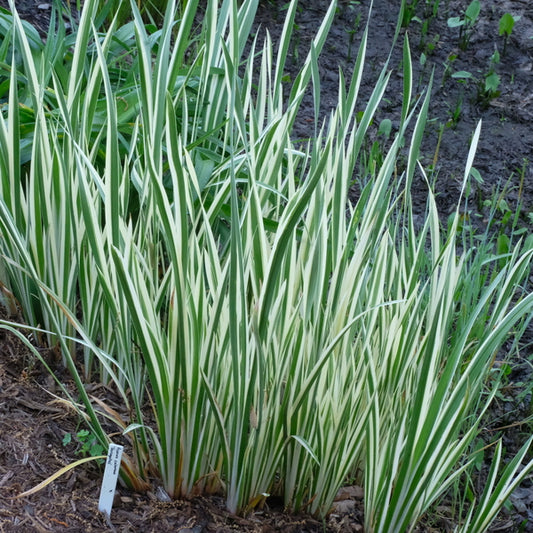
Acorus calamus 'Argenteostriatus'
Item #: 767
Zones: 4a to 9b
Dormancy: Winter
Height: 36" tall
Culture: Sun to Part Sun
Origin: Europe
Pot Size: 3.5" pot (24 fl. oz/0.7 L)
Regular price $24.00Regular priceUnit price per -
Acorus gramineus 'Ogon'
Item #: 369
Zones: 5a to 9b
Dormancy: Evergreen
Height: 12" tall
Culture: Part Sun to Light Shade
Origin: China, Japan
Pot Size: 3.5" pot (24 fl. oz/0.7 L)
Regular price $22.00Regular priceUnit price per -
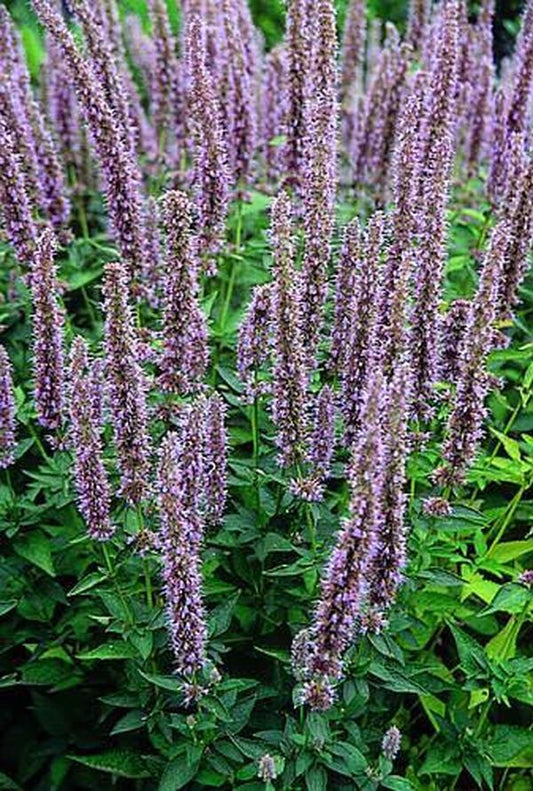
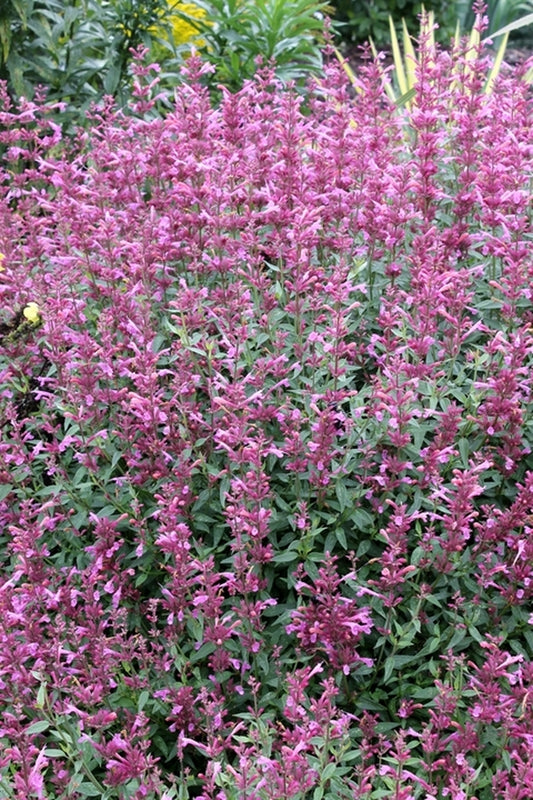
Agastache 'Beelicious Purple' PP 30,614
Item #: 18764
Zones: 6a to 8b, guessing
Dormancy: Winter
Height: 36" tall
Culture: Sun
Origin: Hybrid
Pot Size: 3.5" pot (24 fl. oz/0.7 L)
Regular price $21.00Regular priceUnit price per -
Agastache 'Blue Fortune'
Item #: 3209
Zones: 3a to 9b
Dormancy: Winter
Height: 36" tall
Culture: Sun
Origin: United States Hybrid
Pot Size: 3.5" pot (24 fl. oz/0.7 L)
Regular price $21.00Regular priceUnit price per -
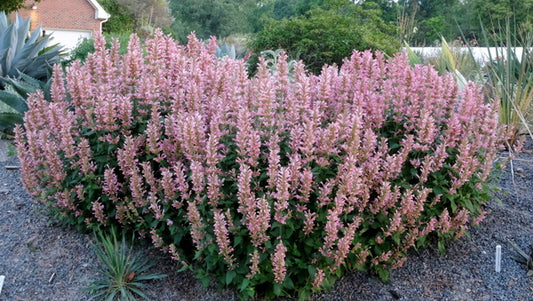
Agastache 'Peachie Keen' PP 25,886
Item #: 10635
Zones: 5a to 8b
Dormancy: Winter
Height: 24" tall
Culture: Sun
Origin: United States Hybrid
Pot Size: 3.5" pot (24 fl. oz/0.7 L)
Regular price $21.00Regular priceUnit price per -
Agastache 'Pink Pearl' PP 36,637
Item #: 17879
Zones: 6a to 8b
Dormancy: Winter
Height: 18" tall
Culture: Sun
Origin: United States Hybrid
Pot Size: 3.5" pot (24 fl. oz/0.7 L)
Regular price $21.00Regular priceUnit price per
-
Agastache 'Queen Nectarine' PP 34,896
Item #: 17504
Zones: 5a to 8b
Dormancy: Winter
Height: 42" tall
Culture: Sun
Origin: United States Hybrid
Pot Size: 3.5" pot (24 fl. oz/0.7 L)
Regular price $21.00Regular priceUnit price per -
Agastache 'Rosie Posie' PP 25,857
Item #: 10636
Zones: 5a to 8b
Dormancy: Winter
Height: 24" tall
Culture: Sun
Origin: United States Hybrid
Pot Size: 3.5" pot (24 fl. oz/0.7 L)
Regular price $21.00Regular priceUnit price per -
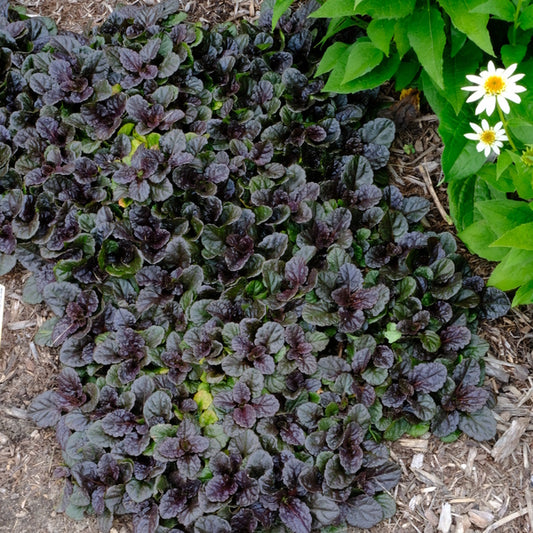
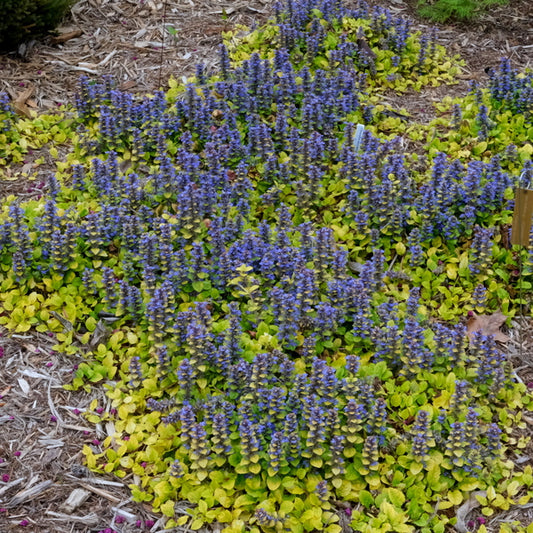
Ajuga 'Flashy Flamingo' PPAF
Item #: 18121
Zones: 4a to 8b
Dormancy: Evergreen
Height: 3" tall
Culture: Part Sun to Light Shade
Origin: Hybrid
Pot Size: 3.5" pot (24 fl. oz/0.7 L)
Regular price $19.00Regular priceUnit price per -
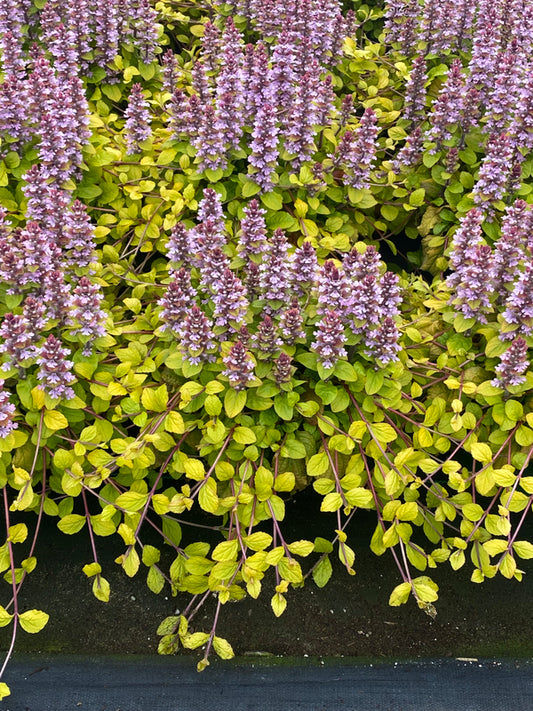
Ajuga 'Parrot Paradise'
Item #: 16733
Zones: 4a to 9b
Dormancy: Evergreen
Height: 3" tall
Culture: Part Sun to Light Shade
Origin: Europe, Hybrid
Pot Size: 3.5" pot (24 fl. oz/0.7 L)
Regular price $19.00Regular priceUnit price per -
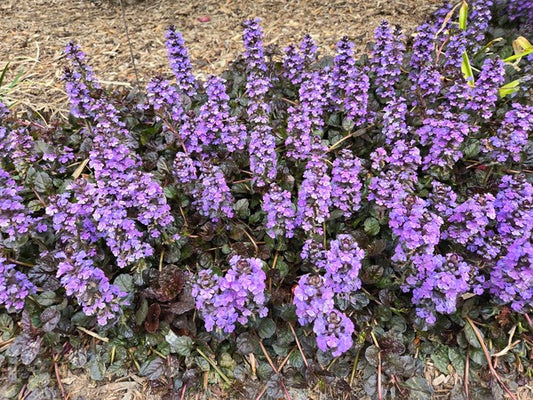
Ajuga pyramidalis 'Metallica Crispa Purpurea'
Item #: 39
Zones: 3a to 8b, at least
Dormancy: Evergreen
Height: 3" tall
Culture: Part Sun to Light Shade
Origin: Europe
Pot Size: 3.5" pot (24 fl. oz/0.7 L)
Regular price $19.00Regular priceUnit price per -
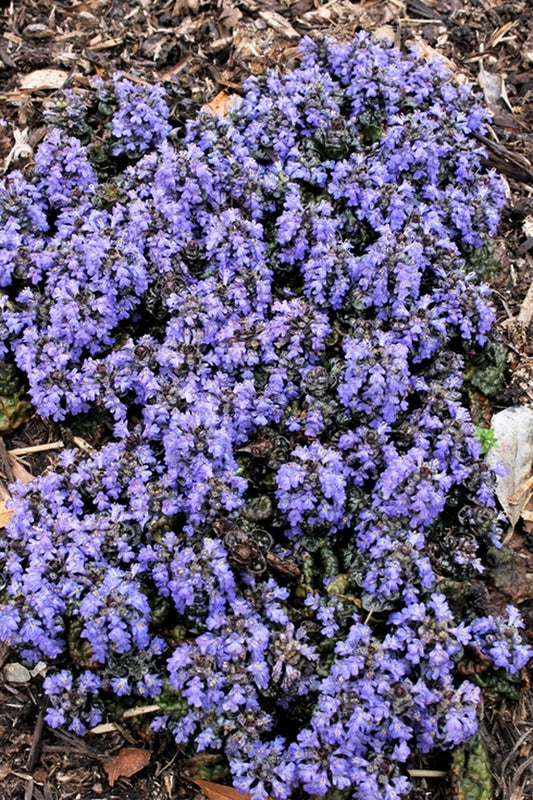
Ajuga reptans 'Black Scallop'
Item #: 13515
Zones: 3a to 8b, at least
Dormancy: Evergreen
Height: 3" tall
Culture: Part Sun to Light Shade
Origin: Europe
Pot Size: 3.5" pot (24 fl. oz/0.7 L)
Regular price $19.00Regular priceUnit price per -
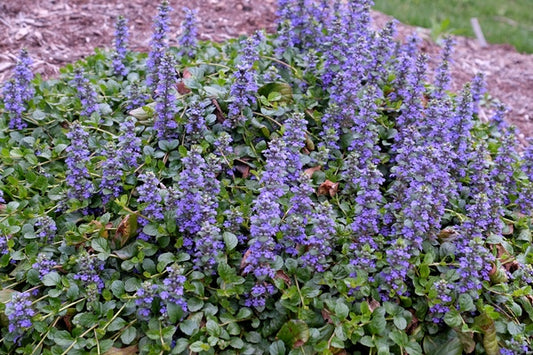
Ajuga reptans 'Texas Tough'
Item #: 12990
Zones: 3a to 9b, at least
Dormancy: Evergreen
Height: 4" tall
Culture: Sun to Light Shade
Origin: Europe
Pot Size: 3.5" pot (24 fl. oz/0.7 L)
Regular price $19.00Regular priceUnit price per -
Ajuga reptans 'XXL'
Item #: 17502
Zones: 3a to 8b, at least
Dormancy: Evergreen
Height: 4" tall
Culture: Part Sun to Light Shade
Origin: Europe
Pot Size: 3.5" pot (24 fl. oz/0.7 L)
Regular price $19.00Regular priceUnit price per -
Ajuga tenorei 'Blueberry Muffin' PP 22,092
Item #: 14897
Zones: 4a to 9b
Dormancy: Evergreen
Height: 3" tall
Culture: Part Sun to Light Shade
Origin: Italy
Pot Size: 3.5" pot (24 fl. oz/0.7 L)
Regular price $19.00Regular priceUnit price per -
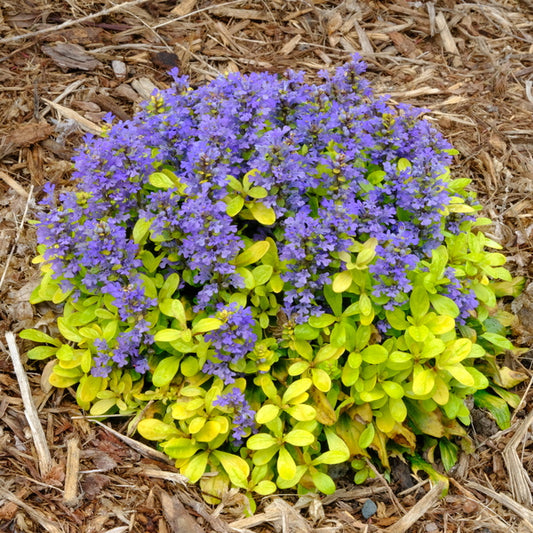
Ajuga tenorei 'Cordial Canary'
Item #: 16734
Zones: 4a to 9b
Dormancy: Evergreen
Height: 3" tall
Culture: Part Sun to Light Shade
Origin: Italy
Pot Size: 3.5" pot (24 fl. oz/0.7 L)
Regular price $19.00Regular priceUnit price per -
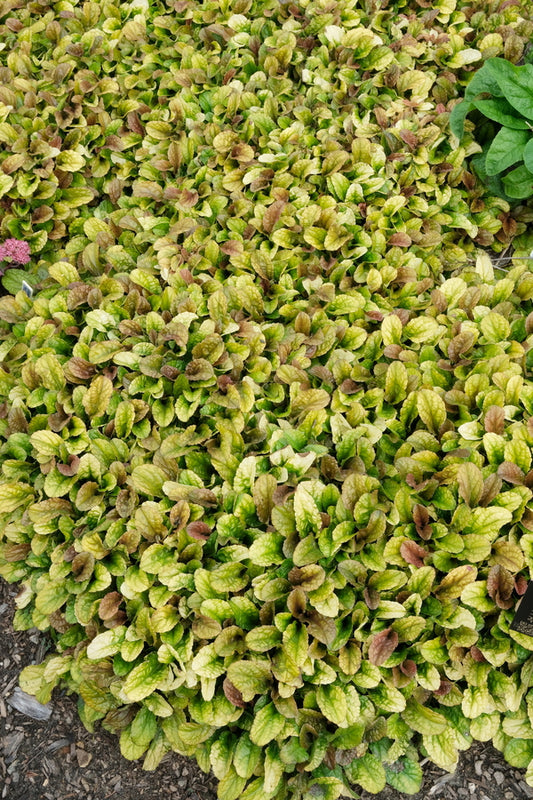
Ajuga 'Tropical Toucan'
Item #: 16739
Zones: 4a to 8b
Dormancy: Evergreen
Height: 3" tall
Culture: Part Sun to Light Shade
Origin: Italy
Pot Size: 3.5" pot (24 fl. oz/0.7 L)
Regular price $19.00Regular priceUnit price per -
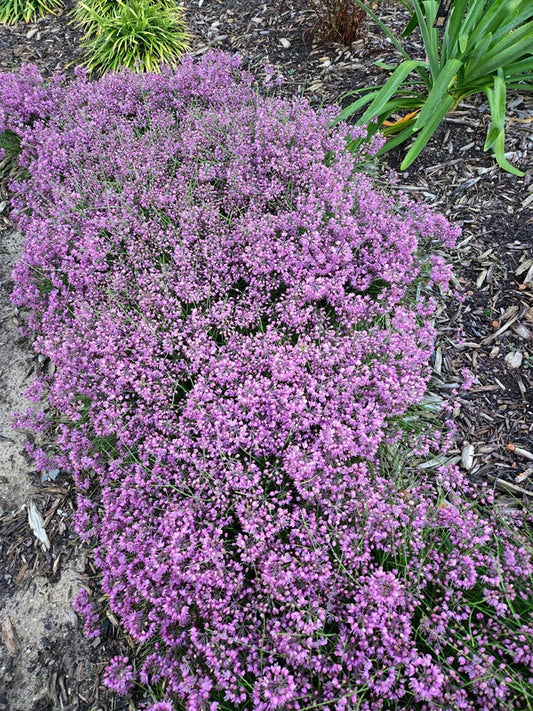
Allium kiiense
Item #: 3352
Zones: 5a to 9b, at least
Dormancy: Evergreen
Height: 6" tall
Culture: Sun to Part Sun
Origin: Japan
Pot Size: 3.5" pot (24 fl. oz/0.7 L)
Regular price $23.00Regular priceUnit price per -
Allium 'Millenium'
Item #: 5466
Zones: 5a to 8b, at least
Dormancy: Winter
Height: 12" tall
Culture: Sun
Origin: Hybrid
Pot Size: 3.5" pot (24 fl. oz/0.7 L)
Regular price $21.00Regular priceUnit price per -
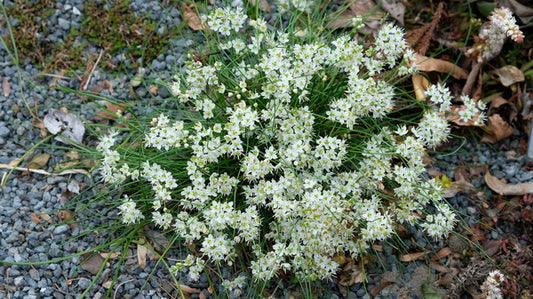
Allium virgunculae 'Alba'
Item #: 17293
Zones: 5a to 9b, at least
Dormancy: Evergreen
Height: 8" tall
Culture: Sun to Part Sun
Origin: Japan
Pot Size: 3.5" pot (24 fl. oz/0.7 L)
Regular price $24.00Regular priceUnit price per -
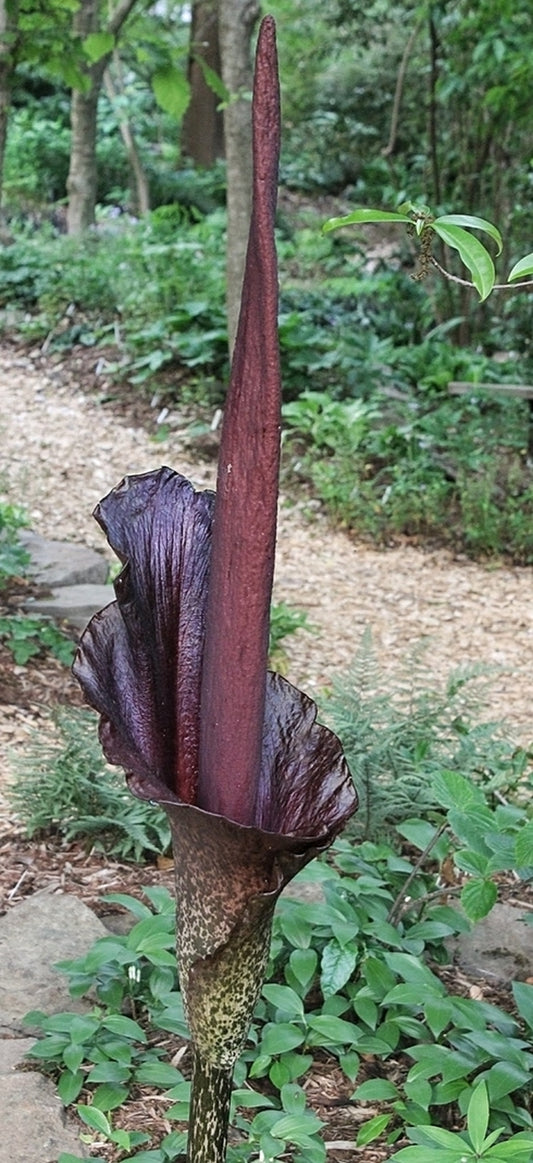
Amorphophallus konjac
Item #: 783
Zones: 6a to 10b
Dormancy: Winter, Spring
Height: 60" tall
Culture: Part Sun to Light Shade
Origin: China
Pot Size: Bare Root / 3.5" pot (24 fl. oz/0.7 L)
Regular price $29.00Regular priceUnit price per -
Amorphophallus konjac 'Nightstick'
Item #: 1166
Zones: 7a to 10b
Dormancy: Winter
Height: 36" tall
Culture: Part Sun to Shade
Origin: China
Pot Size: Bare Root / 3.5" pot (24 fl. oz/0.7 L)
Regular price $29.00Regular priceUnit price per -
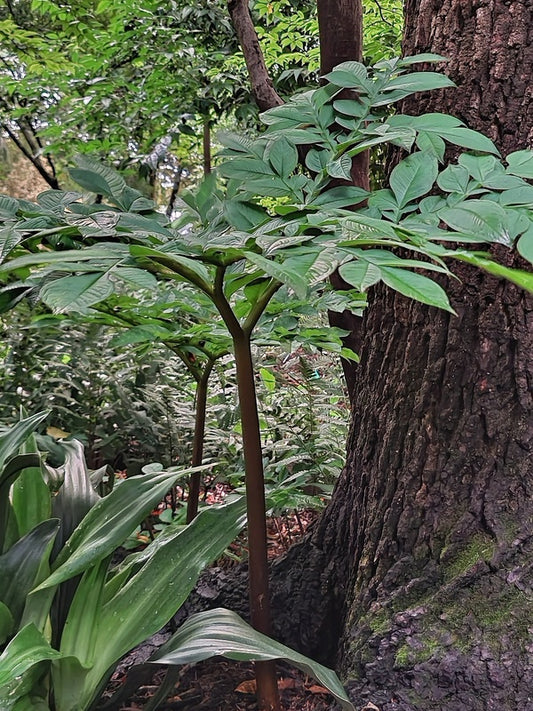
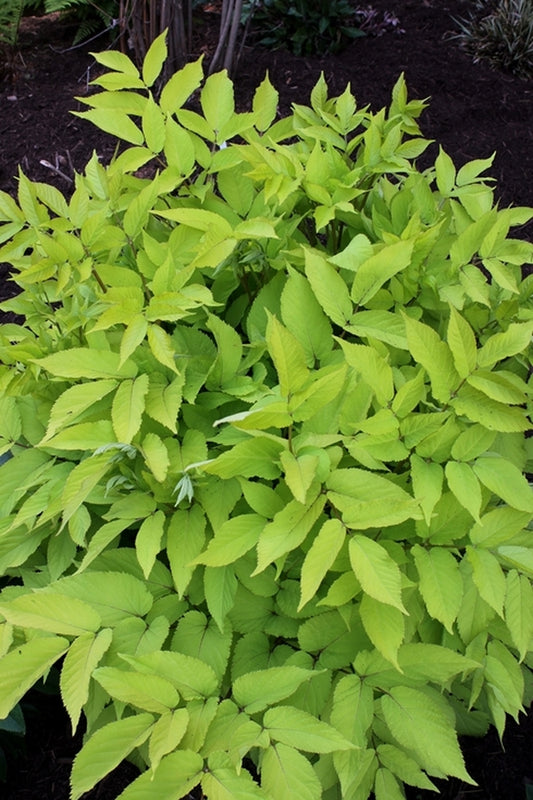
Aralia cordata 'Sun King'
Item #: 9133
Zones: 4a to 8b, at least
Dormancy: Winter
Height: 72" tall
Culture: Part Sun to Light Shade
Origin: Japan
Pot Size: 3.5" pot (24 fl. oz/0.7 L)
Regular price $22.00Regular priceUnit price per -
 Sold out
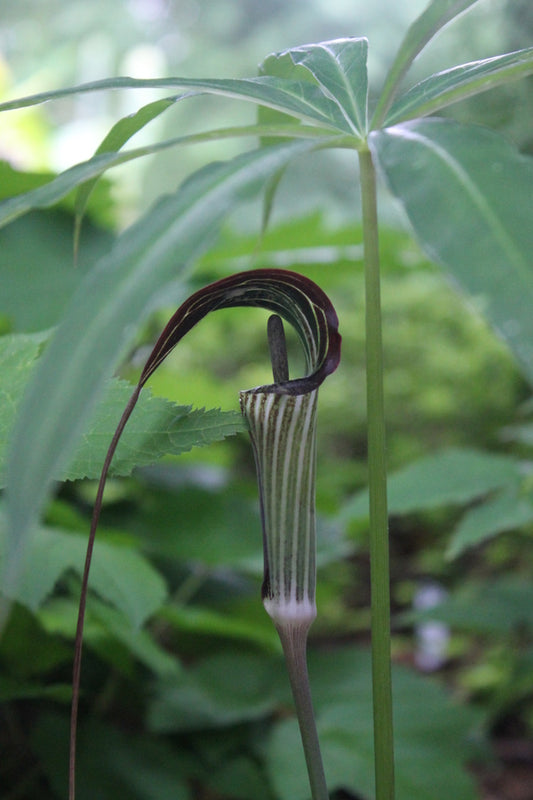
Arisaema consanguineum
Item #: 2524
Zones: 5a to 8b, possibly colder
Dormancy: Winter, Spring
Height: 30" tall
Culture: Part Sun to Light Shade
Origin: China
Pot Size: Bare Root / 3.5" pot (24 fl. oz/0.7 L)
Regular price $29.00Regular priceUnit price per








More Information About Edimentals
Humans have been cultivating plants for over 12,000 years and in that time, someone, somewhere, has tasted almost every single plant. The results weren't always pretty, but these intrepid tasters discovered an amazing variety of culinary plants that also happen to look great in the landscape.
What is an Edimental Plant?
By the strict definition, an edimental is a vegetable (leaf, root, stem) that you eat, but not a fruit, seed, herb, leaf, or any part that you make tea or alcohol from. However, for our purposes, we are going to define an edimental as any plant that you can eat in some form, raw or after careful preparation.
Of course not every culinary plant is as tasty as a turnip and some garden perennials require a lot of processing to be made edible, but the adventurous perennial gardener can greatly expand their palette if they are inclined to. Included in our list are plants that can be eaten raw, plants that require cooking to remove toxic or distasteful compounds (especially Calcium oxalate), plants that are popular with cultures outside of the US, plants that were popular edibles in the past, subsistence crops (plants that take a lot of effort to prepare but provide only a few calories) and famine crops (plants that have distasteful flavors or textures but are be eaten when times are tough).
Do Your Research
When growing edimentals in the perennial garden, it is important to know which plant part to eat. People can eat almost any plant part including roots, bulbs (corms, rhizomes, tubers), stems, twigs, bark, pith, stem hearts (cortex), immature or mature leaves, leaf petioles, fruits, flower buds, flowers, nectar, pollen, seeds, or seed oil. In preparing our list of culinary plants we consulted many sources but relied heavily on the "Plants for a Future" website (www.pfaf.org) as a reference to the edibility rating of our plants. They also provide brief preparation guidelines and notes on toxicity.
Disclaimer - we have not eaten most of these plants and advise caution and plenty of research before eating any plant in these lists. Remember, here at PDN, we grow perennial plants for their looks, not their taste. We also use pesticides (mostly organic) to keep our plants healthy, so please wait for new foliage to emerge before tasting.